Phillip Island wildlife education is one of the best student travel experiences in Victoria to be combined with outdoor discovery and meaningful learning in schools. Phillip Island is very close to Melbourne and offers a rich natural environment where students can learn about coastal ecosystems, local wildlife and conservation in a highly interactive manner.
The destination itself is particularly desirable as it promotes curriculum-based learning in the field of science, geography, sustainability, and environmental studies. Students are not only able to study by reading books but can see wildlife, learn about habitat and conservation action. By taking the wildlife experiences Phillip Island, learners develop curiosity, awareness, and closer relationship towards the natural world.
School Excursions Australia assists schools to transform educational travel into an organized and memorable learning experience with well-coordinated programs.
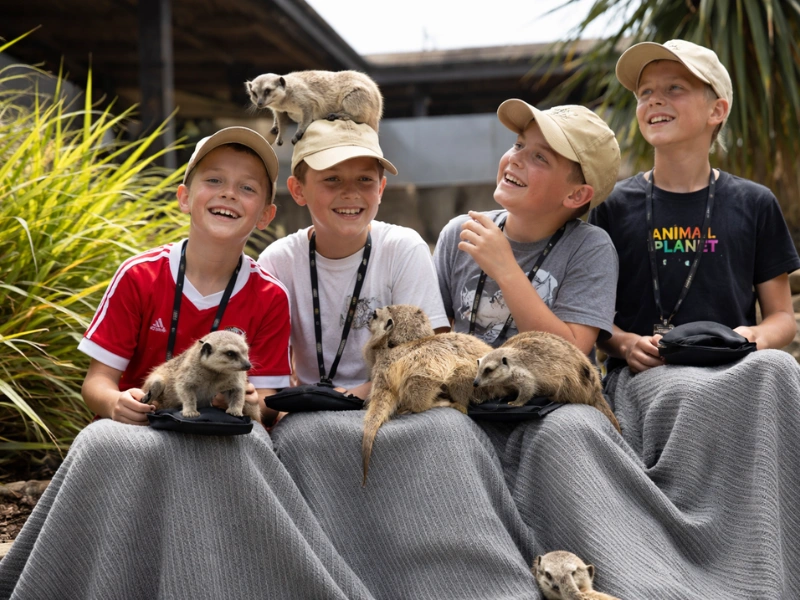
Table of Contents
Why Phillip Island Is Ideal in Wildlife Studies
Phillip Island is not just a picturesque place. It is an outdoor classroom in which the students are able to observe nature directly. It has the best beaches, wetlands, marine and protected reserves that offer an ideal chance to do immersive student learning.
One of the biggest strengths of Phillip Island wildlife education is the fact that it is diverse. There, students will be able to visit the penguin habitats, coastal environments, seabird ecosystems, and marine biodiversity in a single place. This allows schools to relate excursions to classroom deliverables and provide students with something much more interesting than an ordinary lesson.
Unlike passive learning, school excursions Phillip Island help students to ask questions, see patterns, and comprehend how ecosystems work in real life.
The Best Wildlife Education Tours to Student on Phillip Island
Penguin and Coastal Habitats Programs
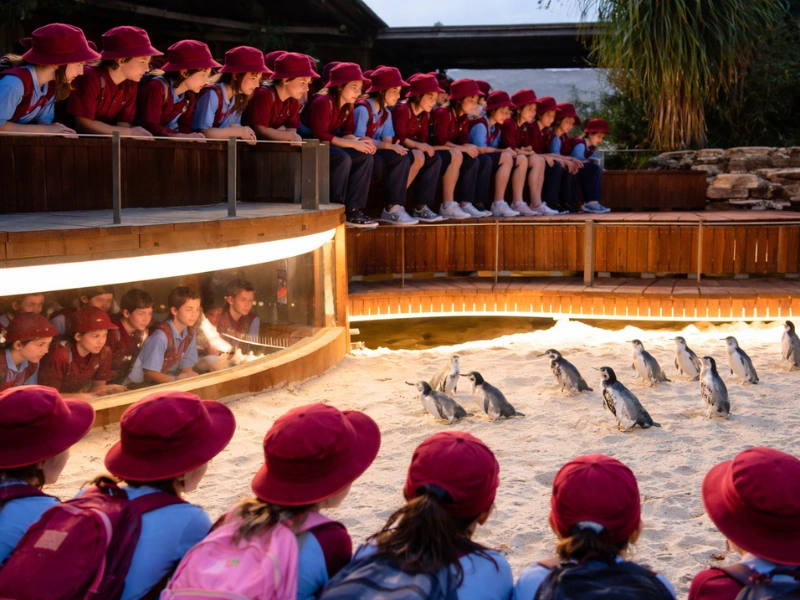
The most famous educational opportunities that students can have in Phillip Island are penguin-based learning as the island is known by its little penguins. Such programs expose the student to the behaviour of animals, life cycles, feeding habits, and conservation of their habitats.
By visiting such environments, students also get to know how coastal plants, dune systems, and marine health benefit the local wildlife. These wildlife experiences Phillip Island are particularly useful in the sense that they are a combination of learning science and direct observation.
Penguin education can be one of the most interesting items in the itinerary of schools considering memorable student trips Phillip Island.
Learning Marine and Coastal Ecology
The coastline of the island has been ideal for marine and environmental study. Students will be able to explore intertidal areas, coastal erosion, biodiversity and food chains as well as understand more about the functioning of the marine ecosystem.
These sessions can be very useful specifically to upper primary and secondary groups since they promote enquiry, discussion and environmental sensitivity. They are also suitable in terms of educational tours Phillip Island that target science and sustainability.
The schools can organize such activities to meet different age groups and learning objectives with the help of School Excursions Australia.
Conservation and Sustainability Experiences
One of the major components of Phillip Island wildlife education is that it is highly conservation oriented. Students can understand how the wildlife habitats can be preserved and how the local conservation efforts can preserve the native species to be used in the future generations.
It is more than only observation of animals. It will make students learn about the larger environmental systems in wildlife take care of, habitat restoration, and responsible tourism. These lessons are quite applicable in the schools seeking to integrate environmental responsibility in student education.
Properly structured Phillip Island wildlife tours may assist the students to realise how and why conservation is important, and how local action leads to long-term ecological health.
How These Programs Help Support Curriculum Outcomes
The fact that the visit to Phillip Island also relates to the school curriculum goals is one of the greatest advantages of visiting the Island. The programs on wildlife education here facilitate practical and inquiry learning in a manner that is simple to grasp as well as memorize by students.
Students are able to learn about ecosystems, adaptation, food webs, biodiversity in science. It gives them an opportunity to study landforms along the coast, environmental change and how people relate to non-human places in geography. Outdoor learning is also beneficial to the wellbeing of the students in terms of teamwork, observation, and confidence.
This is one of the reasons that the school excursions Phillip Island remain a valuable choice among schools. The learning effects extend much further than a field trip and have long-term effects on learning.
What Is a Great Wildlife Field Trip with Students?
A good student wildlife program must not be no more than sightseeing. The best excursions are interactive, organized and educational.
The students also learn best when they are challenged to ask questions, get involved and to relate what they observe with the larger environmental concepts. This is the reason educational tours Phillip Island are commonly designed well and incorporate guided interpretation, interactive experiences, and reflective experiences.
Planning is also significant. Transport, supervision, timing, as well as age-appropriate experiences are all influencing the level of the success of an excursion. This is where School Excursions Australia assists schools to develop an organised, practical, and truly educational experience.
The Best Phillip Island Student Wildlife Trip
The most successful field trips start with clear objectives. The initial decision to be made in schools is whether the primary emphasis is on wildlife, marine ecology, sustainability, or a more comprehensive outdoor experience in learning. As soon as that is established, the itinerary can be crafted to facilitate those results.
To a large number of schools, the best Phillip Island wildlife tours are the ones which incorporate a number of things in a single well-rounded trip. An effective program can involve environmental discovery, viewing of wildlife, environmental education, and discussion.
Other aspects, including accommodation, travel arrangements, and supervision, also matter, particularly in long-term student trips Phillip Island. Planning can ensure that the teacher concentrates on the learning of the students instead of worrying about every detail on the trip.
Conclusion
Phillip Island wildlife education would be a great destination in case your school is seeking a program that is a combination of science, conservation, and real-life exploration. It provides students with an opportunity to study existing peculiar ecosystems, see the native animals and learn the necessity to preserve nature.
The island has some of the best wildlife experiences Phillip Island can offer to school groups, whether it be marine ecology or conservation learning. These field trips are not just educational trips with proper planning and encouragement. They turn out to be experiences that the students will remember in the learning process.
FAQs
Phillip Island has proven to be a source of experiential education with coastal environments, native fauna, and conservation-focused learning that has been found to be curriculum-relevant and interesting.
Yes, the programs may be designed to suit the primary and secondary students according to the learning objectives of the school.
Students usually read about ecosystems, biodiversity, marine life, conservation and protection of habitats in practical activities.
Yes, schools generally have an opportunity to design their activities according to the level of the year, subject and the duration of the trip.
They assist schools to arrange properly organised, educational and student friendly travel experiences that enhance learning and safety.
