Sydney is a living classroom where the past and present come together and the most effective way young learners can understand that meeting is by Sydney cultural discovery trails. Providing curiosity, the trails are a mix of storytelling, practical activities, and the safe urban exploration to make sure that students relate to the history, art, and the heritage of First Nations in the most memorable ways. Unlike the conventional school trips in Sydney, these trails expose the students to cultural experiences that reinforce real-life experiences.
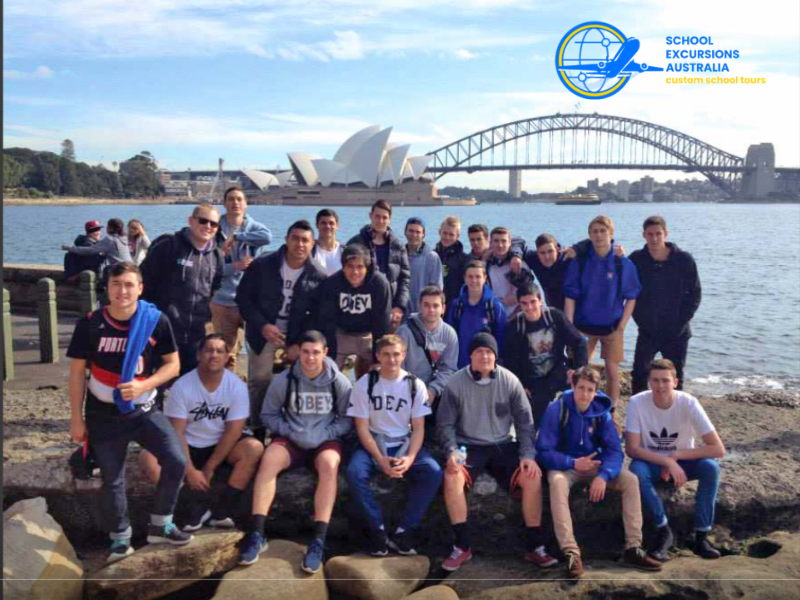
Table of Contents
Why Would You Select Sydney Cultural Discovery Trails for Your Class?
Field learning has been shown to increase retention and motivation. Sydney cultural discovery trails are curriculum-based journeys, which allow teachers to achieve curriculum-based outcomes, whilst students have an active and sensory-based learning experience. Starting with the convict histories of the Rocks and modern street art and harbour sites where the First Nations live, the trails can be taken to either primary or secondary level and correspond to cross-curriculum priorities. Cultural trails have become quite common in many educational tours Sydney in an effort to ensure that learning is more interactive and meaningful.
What students will discover
On these trails, students:
- Explore the history of colonization and indigenous in artefacts and use plaques and guided interpretation.
- Tour architecture and city planning in the historical areas of Sydney.
- Site tasks, sketching and evidence collection practice-based learning (inquiry).
The itineraries School Excursions Australia provides are focused on these learning outcomes that plan trips around specific learning outcomes and safety planning. The organisation customizes activities to the needs of different age groups as well as teachers who wish to include Sydney excursions for students as part of a larger curriculum delivery.
Sample trail: Harbour Heritage Walk
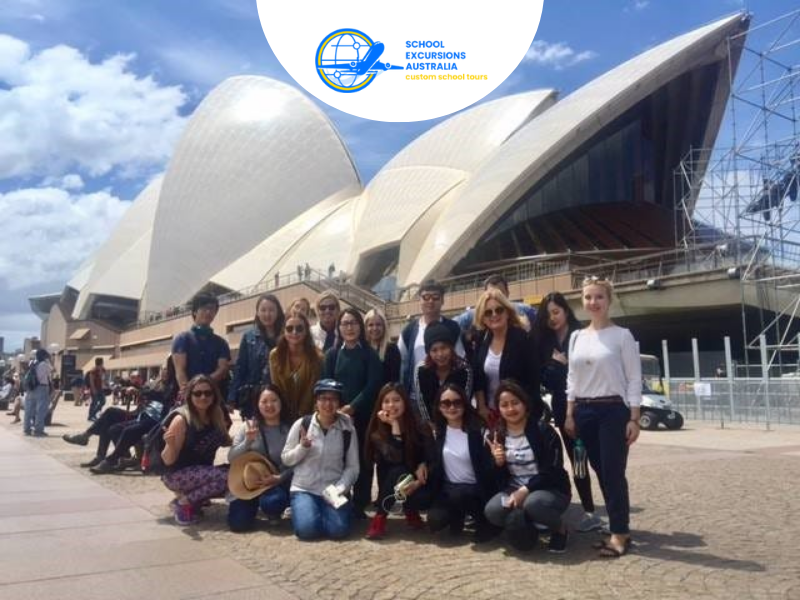
A half-day Harbour Heritage Walk gives the students an overview of the history of the Opera House, The Rocks and communities surrounding the harbour. Activities consist of timeline-building activity, colonial landmarks mapping, and mini-research on local maritime industries. Such experiences are similar to the type of Sydney-oriented field trips as are characterized in most school trips in Sydney, where cultural interaction is the fundamental learning outcome. According to teachers, the immersive trail of this nature supplements the classroom discussion and enhances historical learning.

Customizing Curriculum Trails
Sydney cultural discovery trails are varied: teachers can order pre-visit packs, worksheets related to the curriculum, and post-visit assessment. School Excursions Australia offers tailor made itinerary and risk management advice to ensure learning is safe and concentrates on learning. These bespoke selections facilitate various educational tours Sydney that assist teachers to fit trail activities to the requirements of humanities, art, geography and civic studies.
Involving Indigenous Opinions
There should be meaningful work in Aboriginal and Torres Strait Islander history. Examples of trails are First Nations cultural immersion, storytelling and visiting important places like Kamay Botany Bay – these enhance the cultural literacy and respect of the students. These Indigenous-centered alternatives are usually found in organized Sydney excursions for students, where young learners get to practice cultural identity and heritage through the real voices and perspectives.
Practical Tips for teachers
- Pre-visit lesson and prompt inquiry.
- Divide large groups into groups of people of small size.
- Make checklists and online methods of reflections and evidence collection.
School Excursions Australia runs planning guides and safety-first tips, and therefore, it is easy to manage logistics in terms of teachers planning school trips in Sydney or anything that can be of use by adjusting it into Educational tours Sydney with a bit of culture added to it.
Integrating Culture and Arts
Trails not only educate about the past but they are a demonstration of a living culture. Include modern art tours, music tours, and visits to the markets to emphasize the ways in which culture is changing. Primary-source material (e.g., historic photos) used can be compared with the current streetscapes by students to train critical thinking. This renders Sydney cultural discovery trails to be appropriate in interdisciplinary activities and creative assessment tasks.
Assessment & Outcomes
Evaluation of a unit on a Sydney cultural discovery trail may involve the following forms of reflective journals, group presentations and a creative terminal such as a documentary plan or mural plan. These evaluations directly relate to the standards of the curriculum and promote higher order thinking. These assessments are frequently incorporated into Sydney excursions for students to enable learners to develop fieldwork skills in the real world.
Health, Safety and Inclusion
Quality providers put an emphasis on risk assessment, available routes, and staff briefing. School Excursions Australia has provided safety, inclusion and contingency planning in order to ensure that every student can attend the school excursion. This detailing can be of particular use to those teachers who organize school trips in Sydney and want to make sure that all learners can contribute to cultural discovery in a meaningful way.
How to Book
The provider should be contacted by teachers in case of learning goals, numbers of students, accessibility needs, and desired dates. Timely reservations allow the organization of guides, resources, and Indigenous cultural leaders. Most schools include educational tours Sydney and cultural trails in order to compose a full, enriching tour package.
Maximising Learning Through Sydney Cultural Discovery Trails
Sydney cultural discovery trails provide educators with an interactive model of transforming real world settings into a learning experience. Students are able to participate in comparative history lessons, exercises of cultural interpretation, creative writing and mapping tasks that are based on geography, which develops analytical abilities. Such practical experiences will enhance deeper involvement as the learners will have the opportunity to relate the heritage narratives to the contemporary settings. Learning retention is enhanced when accompanied by pre-visit lessons designed and structured and post-excursion reflections.
Including Cultural Trails in More Expansive School Excursion Plans
A lot of schools planning the school trips in Sydney are interested in a combination of curriculum results and safe and good outdoor learning. Bringing on board Sydney cultural discovery trails in these field trips would assist students to learn heritage precincts, but also learn to work together and research through inquiry. Educational tours Sydney providers usually provide learning packs and support resources that facilitate the planning process. Cultural trails can also provide easy routes and creative evaluation options like internet journals or team heritage projects when arranging Sydney excursions for students.
Conclusion
The Sydney cultural discovery trails are a curriculum based interactive approach to learning history and culture. Teachers can take students on interesting, respectful and educational tours through the living heritage of Sydney with proper planning and clarity in learning objectives coupled with the appropriate help of organisations like School Excursions Australia. To catch up on the best overall 2025 destinations with Sydney heritage sites, visit our blog: Top Education Trips Australia in 2025.
As an official resource, the Sydney Culture Trails Guide supports schools in planning enriching cultural discovery trails across Sydney.
FAQs
Q1: Which age categories are suitable for Sydney cultural discovery trails?
Trail can work with primary and secondary students having different learning targets and activities.
Q2: Does a humanities or science curriculum have trails which can be associated with?
Yes, usually the trails are set to achieve the results in history, geography, civics, and environmental science.
Q3: Can Indigenous cultural experiences be safe and suitable for school groups?
Yes, but you have to have accredited cultural educators, and you have to be well-prepared.
Q4: What is the maximum time a trail should be?
Half-day -full-day formats are most effective; activities in the classroom after learning consolidate learning.
