You know what lessons students never forget? It is not the ones delivered from behind a whiteboard. It is the day they got knee-deep in a rockpool. In the morning, a reef appeared beneath them through a snorkel mask. That one afternoon, an Indigenous elder walked them through the country, pointing out plants and explaining what each one meant to that land. Those experiences do not fade the way classroom content does, and there is a real reason for that.
Australia’s schools sit right next to some of the most ecologically significant environments on earth. Outdoor school excursions put students right inside those environments. What do they take away from that experience? No lesson plan comes close.
What Actually Happens When Students Get Outside
Think about it this way. Can you really care deeply about something you have never actually encountered? Reading about it helps. Understanding it is useful. But genuine care, the kind that shapes behaviour over years, comes from experience.
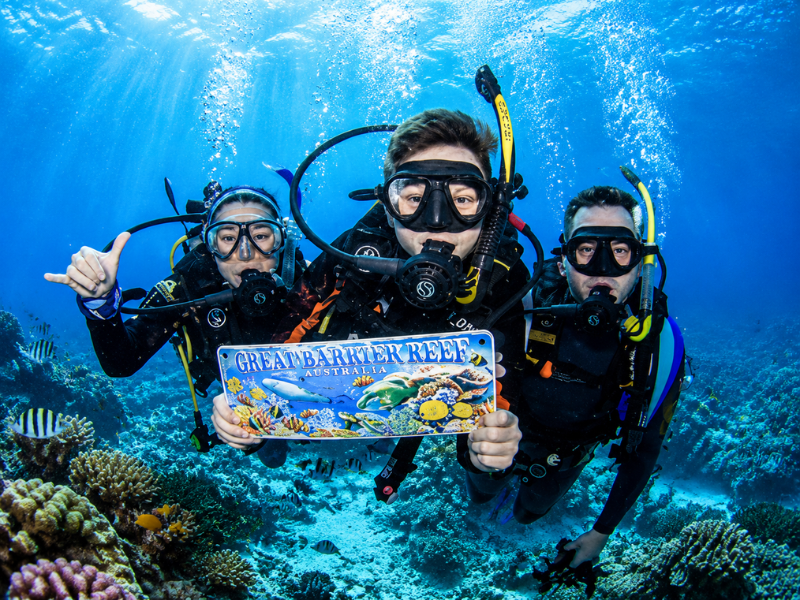
Coral bleaching is a good example to think about here. One student reads about it and gets it conceptually. Another student snorkels across a reef, moves from a section that is alive and colourful to one that is white and silent, and walks away with something completely different lodged in their memory. Not just the fact, but the feeling. That is what tends to stay.
A few things that keep coming up in the research:
- Show a kid a real ecosystem, and they remember it. Show them a diagram of one, and they have forgotten it by Thursday.
- People protect what they feel connected to. That is just how it works.
- And when that connection forms early, it quietly shows up again decades later in the choices people make.
You genuinely cannot build that kind of connection inside a classroom.
What Students Are Actually Walking Away With
Past the enjoyable moments, there are some pretty concrete things students gain from well-planned outdoor excursions.
Ecological literacy. Knowing a wetland has certain species is one thing. Watching how those species actually interact, noticing how the environment has been shaped over time, and seeing what human activity has done to a particular area – that is a different kind of understanding altogether. Students who spend time in real ecosystems start developing this observational way of seeing things, and it underpins a lot of serious environmental thinking.
Something personal. Knowing something is wrong and actually caring enough to act on it are two very different things. Walking through old-growth forest, holding a native animal, getting up close to a coastal habitat – these experiences have a way of closing that gap. Environmental issues start feeling relevant rather than distant nature connection and wellbeing research.
Indigenous knowledge and perspective. Plenty of Australia’s top outdoor excursion destinations Indigenous cultural excursion programs give students direct access to Indigenous guides and communities. That knowledge, passed down across tens of thousands of years of living on and caring for country, offers a perspective on sustainability that no curriculum document has ever quite managed to capture Indigenous knowledge and education research. Students who spend time with it tend to hold onto it.
Hands-on skills worth having. Time at national parks, conservation sites, and field science centres often includes:
- Water quality testing and environmental monitoring
- Species identification and biodiversity surveys
- Habitat mapping and ecosystem observation
- Waste management and practical conservation work
Not classroom alternatives. Actual skills that people working in environmental fields use regularly.
Attitudes that tend to stick. Look at the adults who genuinely care about the environment, and you will very often find someone who had meaningful time in nature when they were young. That early connection has a long shelf life.
Australia Is Not Just a Backdrop. It Is the Lesson.
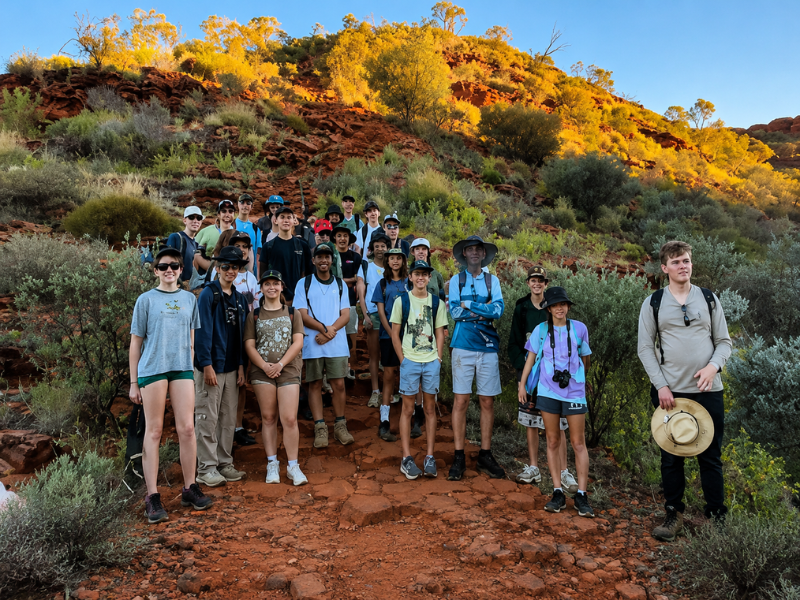
There is a specific advantage worth naming here. Australia is not a generic natural environment to learn about. The Great Barrier Reef is the biggest coral reef system on the planet, and it is right here. The Daintree is older than the Amazon. Kakadu brings together millions of years of geology, ecology, and living Indigenous culture in one place. Going to any of these is not a tourist experience. It is stepping inside something that cannot be replicated.
Schools that cannot travel as far still have plenty to work with:
- Wetlands, dune systems, and marine parks along the Sunshine Coast and NSW South Coast
- Alpine and ancient bushland environments across Victoria and New South Wales
- World-class coastal and marine environments along Western Australia’s southern coastline
- Local nature reserves, estuaries, and conservation areas within reach of most schools
Australian schools are not short of environmental learning opportunities. They are literally surrounded by them.
How This Fits Into the Curriculum
Sustainability is a cross-curriculum priority in the Australian Curriculum, which means it is supposed to run through science, geography, HASS, and the arts. Great on paper. Harder to pull off authentically in practice.
Outdoor excursions handle this pretty naturally. A geography trip to a coastal erosion site puts students in front of actual landforms rather than photos of them. A conservation science day covers biodiversity, ecosystem dynamics, and human impact all at once. Indigenous cultural experiences hit the Aboriginal and Torres Strait Islander Histories and Cultures priority while building genuine environmental understanding at the same time.
Being out in the field also builds things that cut across every subject:
- Critical and creative thinking through real observation and problem-solving
- Ethical understanding when they encounter genuine conservation dilemmas
- Teamwork and personal capability through shared outdoor challenges
- Intercultural awareness through time spent with Indigenous guides and communities
And none of it feels like a lesson while it is happening.
Making the Most of Every Trip
Most of the difference between an excursion that actually changes something and one that just becomes a good story comes down to what teachers do before and after, not just on the day itself.
Before leaving, build enough context for students to show up curious. Heading to a reef? Spend time beforehand on what makes reef ecosystems work and what is currently putting them under pressure. Students who show up with real questions get so much more out of the day than those who just turn up.
On the day, the main job is getting students to slow down and actually look. Field journals and observation tasks help with this. And wherever possible, lean on local guides, rangers, and Indigenous elders. The knowledge they bring to these environments is something a teacher simply cannot replicate on their own.
When they return, give the learning a place to land:
- A written reflection on what they saw and what caught them off guard
- A conservation action plan built around what they experienced
- A research task that extends something from the trip
- A class discussion that ties it all back to the unit
When excursions get followed up properly, they feel like a real part of the curriculum. When they do not, most of it is gone within a week.
A Quick Note for Parents
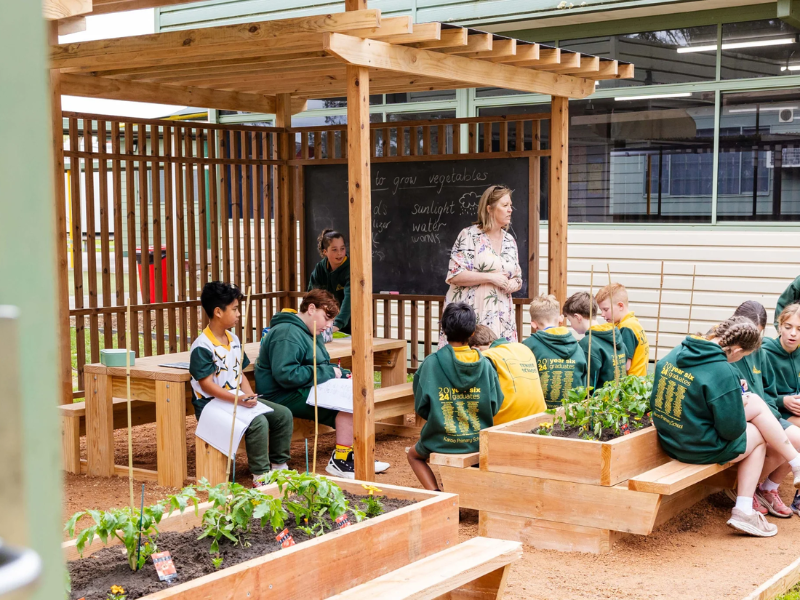
If there is an outdoor excursion coming up and the cost is making you pause, the environmental side of these trips leaves more of a mark than most parents expect.
Kids who have explored a reef, walked through the country with a traditional custodian, or spent a proper day inside a living ecosystem generally come home a little different to how they left. It is not always obvious straight away. Sometimes it comes out in conversation weeks later. But it tends to stick around.
Keep the conversation going once they are home. Ask what they noticed out there. Ask what surprised them. If they come home genuinely curious about something they saw out there, follow it. Those conversations quietly reinforce the learning in ways that matter.
Conclusion
Australia’s natural environments are something else, and students who get to experience them directly are genuinely fortunate. Outdoor excursions are not a break from serious education. They are often among the most educationally rich days of the entire school year, and the environmental awareness students build through them is exactly the kind that does not fade.
The ones who come back still asking questions, still wanting to know more – those are the ones who grow up to genuinely give a damn. Right now, that counts for a lot.
At School Excursions Australia, every outdoor programme is built to connect students with Australia’s natural environments in ways that are meaningful, well-structured, and worth remembering. Coast, bush, or anywhere in between, the team is here to help make it count.
Frequently Asked Questions
Depends on how it is handled. A trip with no follow-up fades fast. But when outdoor experiences are reflected back in class, research consistently links them to long-term shifts in environmental attitudes. The trip is important. What surrounds it matters just as much.
It comes down to where your school is and what students are studying. Places like the Great Barrier Reef, the Daintree, and Kakadu are exceptional. But a well-designed programme at a local coastal park or wetland can be just as valuable. Where you go matters less than what you do with it.
Sustainability is a cross-curriculum priority in the Australian Curriculum, sitting across science, geography, HASS, and the arts. Outdoor excursions that put students inside real ecosystems address that priority in a way that feels genuine rather than tokenistic.
Honestly, no. Even Foundation and Year 1 students get genuine value from simple outdoor time. A local wetland visit can plant something that lasts for years. The depth and complexity grow as they move through school, but starting early is never a bad call.
Pre and post-trip surveys on attitudes and knowledge are a solid starting point. Reflection journals, action plans, and follow-up projects tied to excursion content all produce evidence of learning that a standard test would never pick up.
