Have you ever seen a student come home from a school excursion talking non-stop about their day, only to blank on what they learnt in class that same week? A coincidence? Not a bit of it. There’s something about learning outside the classroom that just hits differently – and there’s a lot more to it than most people realise.
School excursions aren’t just a change of scenery. If done right, they’re one of the richest curriculum delivery tools a teacher has. Covering multiple subjects at once, developing skills they can’t teach from a book, and making memories that really stick – whether you’re a teacher trying to sell your latest excursion idea to your principal or a parent wond
The Australian Curriculum Was Never Meant to Stay Inside Four Walls
Here’s something you should know about the Australian Curriculum – it wasn’t just drawn up out of thin air purely around content. Sure, there are things to learn, facts to remember, and concepts to grasp, but what about thinking critically? Understanding different cultures? Having an ethical framework? Applying your knowledge in the real world?
It’s that last bit where classrooms come crashing down. You can talk all day about a coastal ecosystem in theory, but there’s no substitute for being there. You can write all the notes on Australia’s democratic history and watch all the videos, but nothing compares to walking the halls of Parliament House in Canberra. The curriculum talks about real-world application, and excursions are one of the simplest ways to make it happen.
How Excursions Connect to Specific Learning Areas
This is the part that surprises a lot of parents and even some teachers. A single well-chosen excursion can tick boxes across several subjects at once, not in a loose or stretched way, but genuinely and directly.
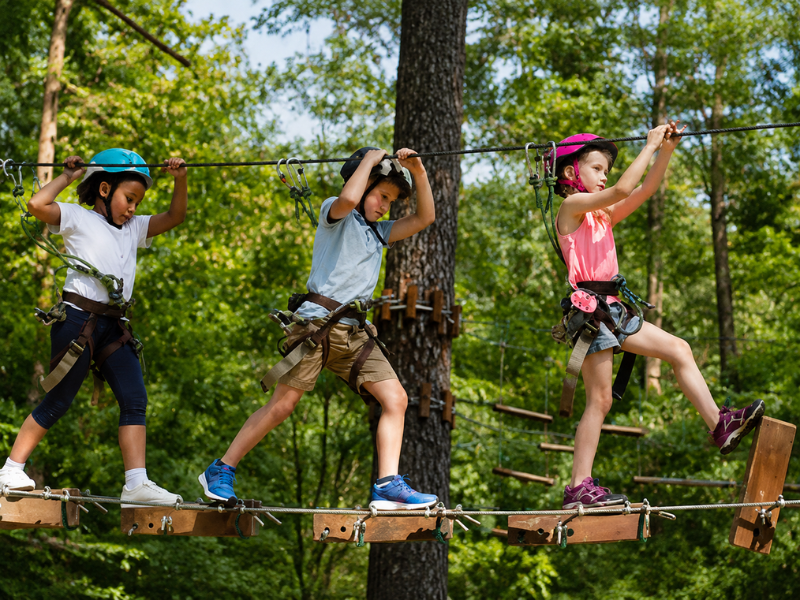
Humanities and Social Sciences
This is the most obvious link. There’s nothing like being immersed in an Australian historical, civics, geography, or cultural site to make the subject come alive. A trip to a goldfields site in Ballarat brings the colonial period to life in a way that no worksheet can match.
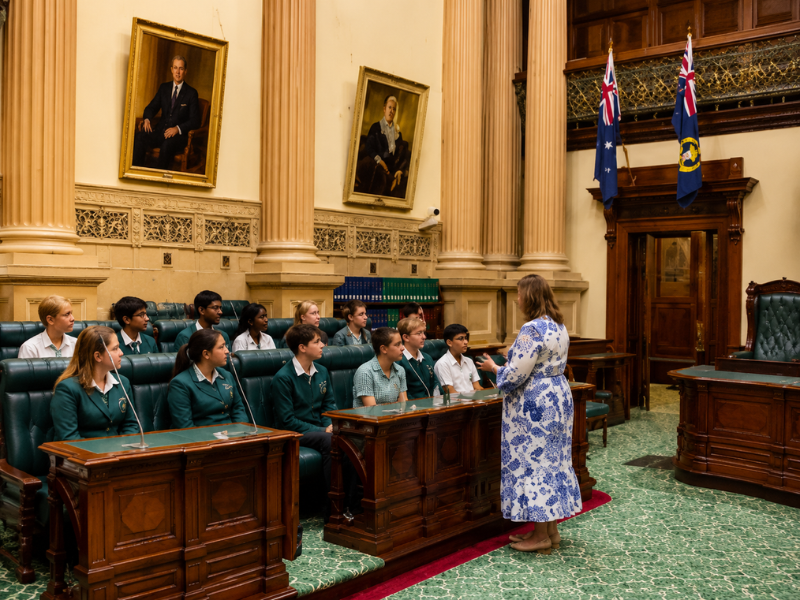
Trips to Parliament House tick off some of your civics and citizenship outcomes. And there’s nothing quite like coastal or inland geography excursions where students can study landforms, ecosystems, and land use in the field.
Science
It’s on these science excursions that your child’s curious nature really gets a chance to breathe! Whether exploring the reef in Cairns, learning about marine biology through actual observation and not just diagrams, or spending a day in the Daintree or the Grampians, you cover biodiversity, conservation, and ecological systems in a way that builds genuine scientific thinking. Activities like environmental monitoring, species identification, and weather observation all align directly with the science curriculum’s ‘enquiry and understanding’ strands.
English
This is the connection teachers most often overlook. Excursions give students real experiences to write about, which makes a noticeable difference in the quality of their work. After a trip, teachers can draw on that shared experience for:
- Persuasive writing on topics like conservation or heritage preservation
- Descriptive and narrative writing inspired by what students saw and felt
- Informative reports based on observations from the day
- Class discussions and oral presentations about key moments from the trip
Students write with more detail and more honesty when they are drawing on something they actually lived through. That aligns directly with the language, literature, and literacy strands of the English curriculum.
Mathematics
Maths might be the last subject you think of when planning a school trip, but the opportunities are genuine. You could have students collecting and interpreting their own data, measuring distances, working on maps and scales, estimating quantities, and solving problems in context. Many science centres and interactive museums also include hands-on maths-based activities which can help make abstract concepts a little bit more tangible!
The Arts
Galleries, museums, cultural sites and performances all feed directly into creative arts outcomes. A student who sees Indigenous art, hears traditional music or visits a historic site has a much richer well to draw on once back in class. Indigenous cultural experiences in particular are doubly effective, as they serve the arts and cross-curriculum priorities on Aboriginal and Torres Strait Islander histories and cultures at the same time.
It Is Not Just About Subjects. It Is About the Bigger Skills Too.
The Australian Curriculum has seven general capabilities that should develop across all subjects throughout a student’s schooling. Things like critical thinking, personal and social skills, ethical understanding and intercultural awareness. They’re important, but they’re also the hardest things to teach directly in a classroom.
Excursions provide a natural space for these capabilities to flourish. A student lost in a new environment, working with classmates out of their usual routine, interacting with a cultural guide or struggling with a real conservation quandary – they’re developing those skills in a way that feels authentic rather than rehearsed. That sort of learning tends to sink in deeper and last longer.
What Teachers Can Do to Get the Most Out of Every Excursion
The difference between an excursion that provides real curriculum value versus one that feels like a fun day out often comes down to how you frame it before and after, not just on the day.
Before students leave, build some context into your lessons. When they arrive knowing what to look for and what questions they want answered, their engagement goes up noticeably. Even a short class discussion or a simple pre-trip research task can make a big difference to how students experience the excursion itself.
Then, after the trip, give students a reason to use what they saw. A reflection journal, a follow-up discussion, a writing task or an assessment piece tied to excursion content will all help consolidate the learning. The excursion should feel like a chapter in the unit, not a separate event that sits outside it.
It also helps to work with providers who understand curriculum alignment – a good excursion provider will offer structured programmes built around specific year levels and learning outcomes, taking a lot of the planning pressure off teachers and making the educational case much easier to make to school leadership.
A Note for Parents
If you’ve ever wondered if a school excursion was really worth the price tag, here’s something to keep in mind. A well-planned excursion isn’t a ‘day off’ from the curriculum – it’s often one of the most content-rich days of the whole year, hitting outcomes across several subjects at once.
And the things we learn on those trips stay with us. Years after leaving school, chances are good you’ll remember the trip to Kakadu, or the day you snorkelled the reef, or your walk through a living history site – and that kind of retained learning has value, even if it’s tricky to put on a report card.
Why not start by having a chat with your kids? Before they head off, find out what they’re most excited to find out. Then ask them what surprised them or what they’d like to know more about once they’re back home. You might be amazed at how much those simple conversations can bring the learning to life – long after everyone else has left the museum.
Frequently Asked Questions
When excursions are chosen with clear learning outcomes in mind, the curriculum connection is very real. A single trip can genuinely address content descriptors across HASS, science, English, and the arts, while also developing general capabilities that apply across all subjects.
HASS and science tend to have the most direct alignment, but English, the arts, and even maths all have strong connections when the right activities are built into the programme. The general capabilities, which cut across every subject, are perhaps the biggest beneficiaries of all.
The clearest approach is to map the excursion directly to specific curriculum content descriptors and note which general capabilities will be developed. Listing the year level outcomes that the trip addresses, alongside the structured activities planned for the day, makes the educational case straightforward.
There is no single answer, but one meaningful excursion per term per year level is a reasonable benchmark. What matters more than frequency is that each trip is genuinely connected to what students are learning and that the experience is extended through pre- and post-trip classroom work.
Encourage your child to talk about what they experienced. Ask open questions before the trip to build anticipation and curiosity, and follow up afterwards with questions about what stood out to them. These conversations make the learning more personal and help it stick.
At School Excursions Australia, building programmes that connect meaningfully to the Australian Curriculum is at the heart of everything we do. From day trips to multi-day immersive experiences, every itinerary is designed with your students' learning outcomes in mind so that teachers can focus on what they do best and students come home with more than just memories.
