If you are a teacher who has planned an excursion for your school class before, you will know better than anyone that preparing one takes a lot more effort than what is expected. Every successful trip requires not only weeks of preparation but also plenty of forms to fill out, not to mention all those calls and emails to parents asking them about various details regarding the planned activity.
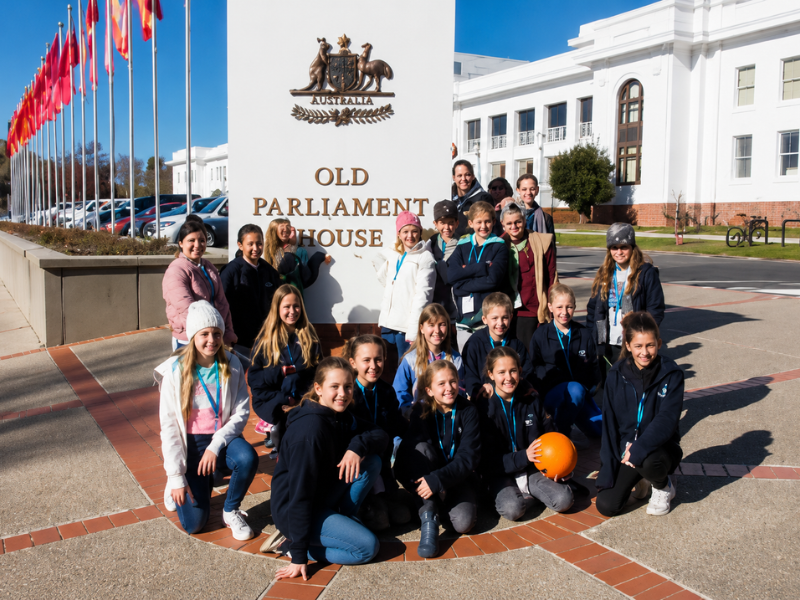
The truth of the matter is that planning a school excursion is worth all that effort and even then some. Kids remember a visit to Parliament House in Canberra for years to come. Those who explored Kakadu or visited the reefs in Cairns gain an understanding that textbooks cannot provide. The effort required is significant, but the results are worth it.
In this guide, we are going to explore the entire process of planning an excursion in order that it should be done. Whether you are organising your first excursion or planning your fifteenth, a bit of structure will definitely come in handy.
Quick Overview: The 10-Step Planning Process
Before diving into each stage, here is a snapshot of the full process from start to finish.
| Step | What It Involves | When to Do It |
| 1 | Define the educational purpose | First, before anything else |
| 2 | Choose the right destination | After learning outcomes are clear |
| 3 | Build a realistic budget | Before approaching school leadership |
| 4 | Complete risk assessments | Alongside or just after budgeting |
| 5 | Secure school approval | Once steps 1 to 4 are documented |
| 6 | Communicate with parents | As soon as approval is granted |
| 7 | Lock in transport and accommodation | After parent responses come in |
| 8 | Prepare students before departure | Two to three weeks before the trip |
| 9 | Manage the excursion on the day | During the trip |
| 10 | Reinforce learning on return | First week back in school |
Step 1: Start With the Why, Not the Where
The most common mistake teachers make when planning an excursion is jumping straight to destination research before establishing the educational purpose. It seems harmless, but it creates problems later. When the destination comes first, the learning outcomes end up being shaped around the trip rather than the other way around.
Before you look at a single venue or request a single quote, get clear on what you want students to gain from this experience. Which curriculum outcomes does the excursion need to support? What should students understand or be able to do as a result of going? Is the experience designed to introduce a new topic, reinforce something already covered in class, or bring a concept to life that is otherwise difficult to teach indoors?
Having clear answers to these questions gives every decision that follows a clear filter. When you know exactly what the learning outcome is, it becomes obvious which destinations genuinely serve that purpose and which ones you are just hoping will work.
Step 2: Choose a Destination That Earns Its Place
Once the educational purpose is clear, finding the right destination becomes much more straightforward. Australia has no shortage of excellent options, but the best destination for your group is not necessarily the most popular one. It is the one that best delivers the learning outcomes you have already defined.
A few practical considerations that genuinely matter when comparing options:
- Curriculum alignment — Does the destination connect directly to what students are studying, or does the connection require a stretch?
- Year level suitability — Is the content and physical environment appropriate for your students’ age group?
- Travel time and logistics — Is the journey manageable within your available timeframe, particularly for younger students?
- Seasonal factors — Some destinations, especially those involving outdoor or coastal environments, vary significantly depending on the time of year.
- Educational programmes on offer — Does the venue provide structured learning activities, or will you need to develop the programme entirely yourself?
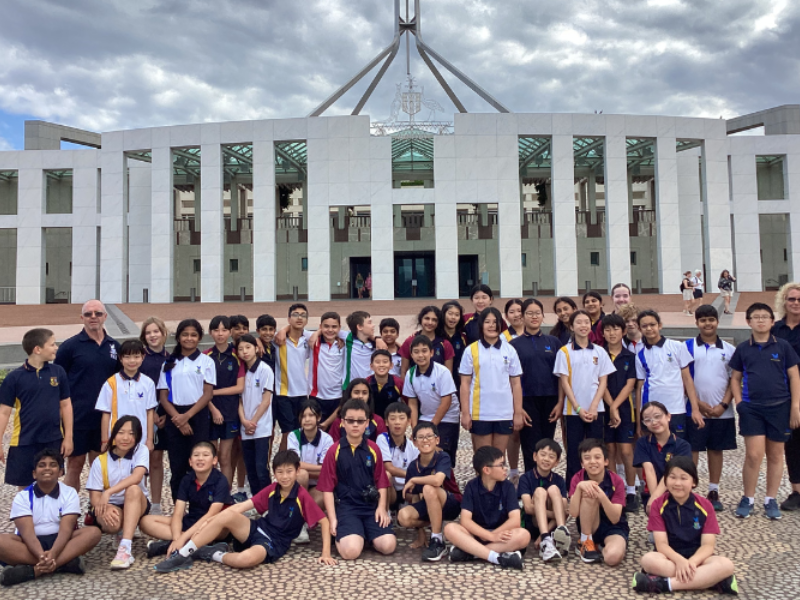
Schools studying Australia’s democratic system will get far more out of Canberra than almost anywhere else. Groups focused on environmental science or Indigenous culture often find that destinations like Kakadu, the Daintree, or the reef region in Cairns offer experiences that simply cannot be recreated closer to home.
Step 3: Getting the Budget Right From the Start
Budget planning deserves more attention than it typically gets in the early stages of excursion organisation. Most cost blowouts happen not because of one large unexpected expense, but because of several smaller ones that were not accounted for at the beginning.
Here is what a complete excursion budget should cover:
- Transport to and from the destination
- Accommodation for any overnight components
- Entry and activity fees at each venue
- Meals and any catering arrangements
- Travel insurance where required
- Additional staffing or supervision costs
- A contingency buffer for unexpected expenses
That last item is worth including from day one. Get your quotes early, build your budget around real figures rather than estimates, and be transparent with parents about the full cost from the outset. Families respond well to a clear cost breakdown. What tends to generate frustration is when additional costs appear after the initial communication has already gone out.
Step 4: Safety Planning and Risk Assessments
Risk assessment tends to be seen as simply another step that needs to be done to comply with regulations and that needs to be ticked off, but this is a very wrong attitude. When a proper risk assessment is conducted, this document is one of the most helpful pieces in the whole plan, making you consider the things that could happen.
Go through all aspects thoroughly. It is essential that every employee who will attend the excursion knows what is expected of them prior to departure. The medical information about students and parents’ contacts should be available throughout the trip, not just kept in a file in the school.
Key areas every risk assessment should cover:
- Transport safety and vehicle standards
- Site-specific hazards at each venue
- Weather conditions and contingency plans
- Medical requirements for individual students
- Supervision ratios across the group
- Emergency response procedures
- Activity-specific risks
These are the details that matter when something unexpected happens, and they are worth getting right before you leave
Step 5: Approval, Communication and Logistics
After addressing the destination, budget, and risk assessment, the next step revolves around getting the school’s approval, reaching out to the parents, and solidifying the logistics.
Getting school approval becomes quicker if the application is comprehensive. It is essential for the leadership to be convinced regarding the learning goals, trip agenda, results of the risk assessment, budget, and staffing details. Giving unnecessary details never hurts in such situations. It indicates that the field trip is well thought out and decreases the time spent negotiating the plans.
When it comes to communicating with the parents, many teachers do not give enough importance to the amount of detail that is necessary. It is critical to send them all the information ahead of time.
Your communication should cover:
- Where students are going and why
- Full cost breakdown and payment deadlines
- Permission form and medical form requirements
- What students need to bring
- How safety will be managed throughout the trip
- Emergency contact arrangements
Logistics — transport, accommodation, itinerary, meal planning, room allocations, and staff responsibilities — should all be documented clearly once approvals are in place. The more specific the itinerary, the less confusion there tends to be on the day itself.
Step 6: Preparing Students Before You Leave
The preparation phase is usually overlooked or put off until just before time, and it has a significant impact on how well students make use of their time away from the classroom. It also influences the way in which students react upon arriving at their destination.
Effective pre-trip work does not have to be extensive. Asking students to conduct some research, engage in a class discussion about what they will see, or ask certain questions that must be answered while they are on the trip will all contribute to an increase in participation levels. Briefing students on behaviour and safety before embarking on the trip will also prove much more effective than briefings done in the transport vehicle.
The goal is for students to arrive curious and prepared rather than just excited to be out of school.
Step 7: On the Day and After
Even the most carefully organised excursion will not go exactly as planned. Delays happen, weather changes, and activities sometimes run over time. The teachers who handle this best are the ones who build flexibility into the day from the start rather than treating the itinerary as completely fixed.
Keep the focus on student supervision, learning engagement, and clear communication across your staff team. Students follow the tone set by the adults around them, and a teacher who responds to changes without stress creates a much better environment for everyone.
After students return, the learning should continue. The following activities all help consolidate what students experienced and connect it back to classroom content:
- Reflection journals written in the first few days back
- Group discussions or class presentations on key observations
- A structured research task that extends something seen on the trip
- An assessment task directly linked to excursion outcomes
The excursion should feel like a chapter in the broader unit of work, not a separate event that sits outside the curriculum entirely.
A Note on Working With Excursion Specialists
However, when it comes to more prolonged excursions or those with detailed itinerary programmes, schools may find it more convenient to collaborate with excursion specialists who know everything about organising the event and have years of experience in it. This should be mentioned not because of the incompetence of the educators in this field, but rather because of the large volume of administrative work connected with the coordination of all processes from transport organisation to activity planning and parental correspondence.
This does not mean that the teacher stops having any involvement in the organisation of the excursion. It just allows him/her to get rid of some unnecessary burdens and concentrate fully on the purpose of the excursion, namely, education.
An excursion is quite an extensive project that requires a lot of planning; however, if done step-by-step and in the proper sequence, it will hardly be complicated to organise. The main points include finding out the learning goal, choosing the destination, creating the budget, taking care of the safety of the children, communicating clearly with parents and preparing them for the excursion thoroughly.
