Adventure Based Learning (ABL) in Australia is transforming the way students experience education. Instead of traditional classroom lessons, students engage in hands-on outdoor activities that build resilience, leadership, teamwork, and problem-solving skills.
Schools across Australia are increasingly adopting ABL to provide holistic development, including physical, emotional, and social growth, while students connect with nature and enjoy memorable learning experiences.
This guide covers everything about adventure-based learning activities in Australia: types of activities, benefits, programs, locations, planning, and FAQs to help schools implement successful outdoor learning experiences.
What is Adventure Based Learning (ABL)?
Adventure Based Learning is an educational approach where students learn through experiential outdoor activities. It combines physical challenges with opportunities for personal and social development, emphasizing “learning by doing.”
Key principles include:
- Learning by Doing: Students actively participate in challenges instead of passively receiving knowledge, which reinforces understanding and retention.
- Challenge by Choice: Activities are designed so students can engage at a level that matches their comfort, gradually increasing confidence.
- Teamwork & Leadership: Group challenges promote communication, collaboration, and leadership development in real-time.
- Reflection: Students are encouraged to reflect on their experiences, linking lessons learned to personal and academic growth.
ABL is ideal for school groups, youth organizations, and educational programs, integrating life skills with curriculum learning in a natural setting.
Why Adventure Based Learning is Important for Students
Adventure-based learning provides multiple benefits, all critical for the holistic development of students:
1. Academic Engagement
Students learn better when theory is connected to real-world experiences. Outdoor activities like orienteering, wildlife monitoring, or environmental projects make subjects like geography, science, and biology tangible. Experiencing concepts first-hand increases retention, sparks curiosity, and encourages a love for learning.
2. Personal Growth
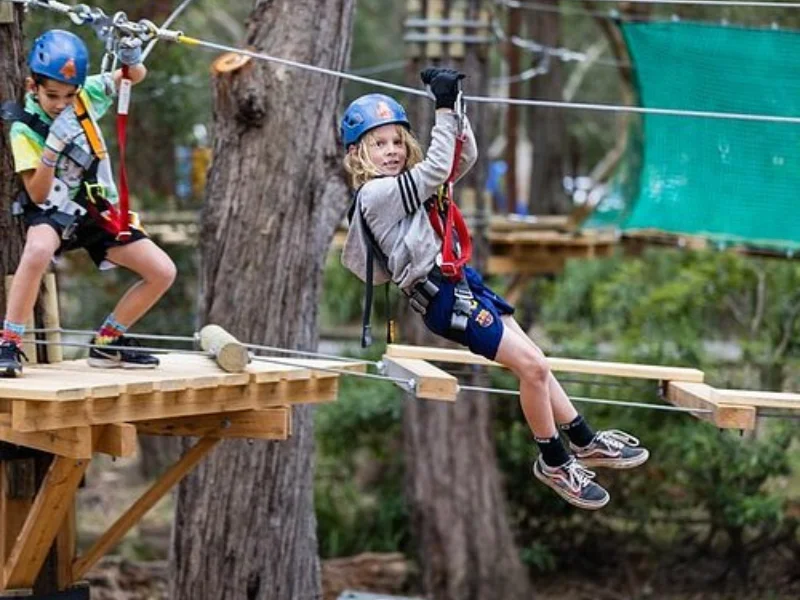
Outdoor challenges allow students to face fears, make decisions, and solve problems independently. Activities like high ropes courses or camping teach resilience, perseverance, and confidence. Students often discover hidden strengths, helping them overcome academic or personal challenges in the classroom and beyond.
3. Social Skills
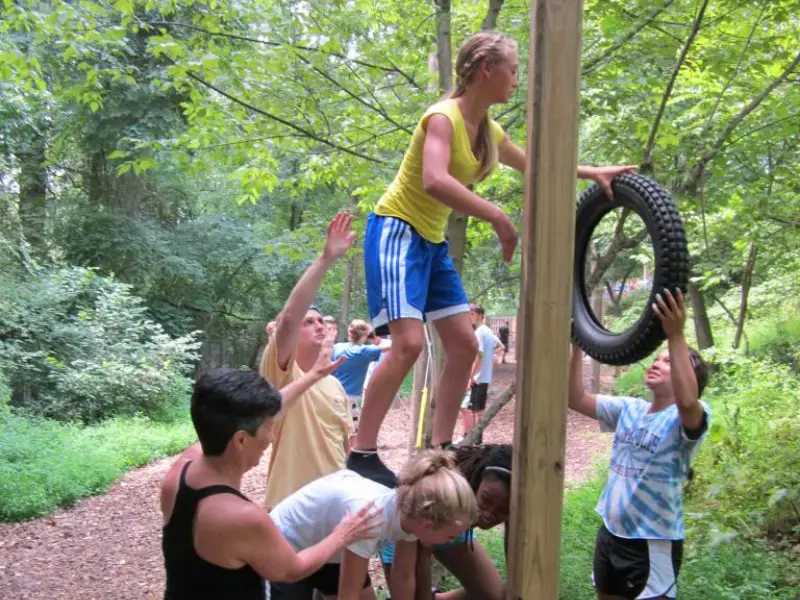
Team activities such as raft-building or group trekking develop communication, collaboration, and empathy. Students learn to listen, delegate tasks, and work towards common goals. These social skills are essential not only in school but also for future professional environments.
4. Physical Health
Adventure activities involve moderate to intense physical exercise, improving cardiovascular health, strength, coordination, and endurance. Activities like bushwalking, kayaking, or climbing are fun ways to encourage fitness while learning, promoting lifelong healthy habits.
5. Environmental Awareness
Being outdoors fosters appreciation for nature and sustainability. Students involved in tree planting, wildlife conservation, and ecological projects develop a sense of responsibility toward the environment and are more likely to adopt sustainable practices in their daily lives.
6. Emotional and Mental Wellbeing
Nature-based learning reduces stress and enhances focus. Students who participate in adventure learning develop emotional intelligence, problem-solving skills, and self-regulation, making them more resilient in facing challenges at school and in personal life.
Types of Adventure Based Learning Activities in Australia
Australia offers a wide variety of adventure-based learning activities for school students:
1. Ropes Courses and Climbing Challenges
- Activities: High ropes, low ropes, climbing walls, zip lines, and leap-of-faith jumps.
- Skills Developed: Overcoming fear, resilience, trust-building, and teamwork.
- Example: Students work together to complete a high ropes challenge, learning risk assessment, communication, and mutual support.
2. Water-Based Team Building
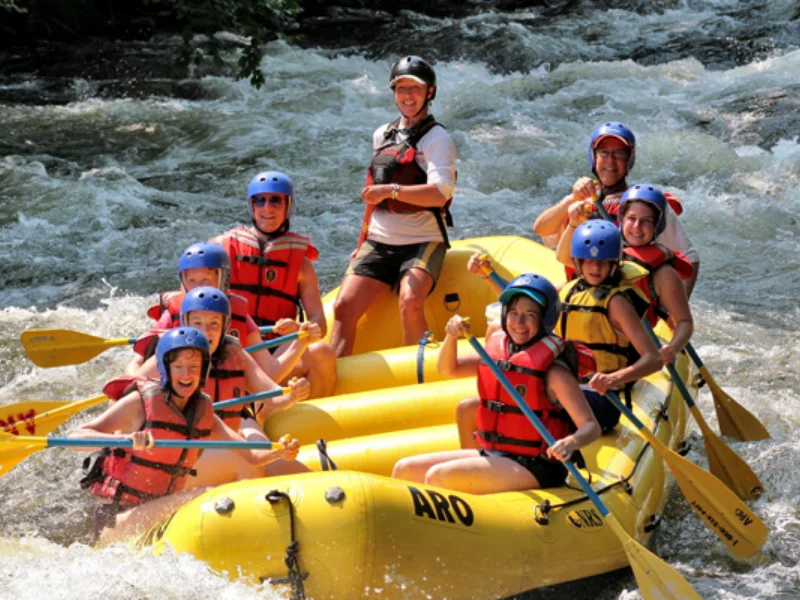
- Activities: Raft-building, kayaking, canoeing, paddleboarding, and obstacle courses on water.
- Skills Developed: Teamwork, problem-solving, coordination, and communication.
- Example: Groups must collaborate to build a raft that can float and navigate a course, encouraging strategy, leadership, and negotiation skills.
3. Wilderness Navigation and Trekking
- Activities: Orienteering, bushwalking, trekking, map-reading, and compass navigation.
- Skills Developed: Navigation, endurance, leadership, and environmental observation.
- Example: Students plan a route, use maps and compasses, and navigate terrain safely, learning self-reliance and decision-making under pressure.
4. Camping and Outdoor Survival Skills
- Activities: Tent setup, campfire cooking, survival challenges, first aid practice.
- Skills Developed: Self-reliance, responsibility, time management, teamwork.
- Example: Students organize their campsite, plan meals, and safely manage outdoor tasks, building confidence and independence.
5. Environmental and Conservation Programs
- Activities: Tree planting, wildlife monitoring, sustainability projects, nature cleanups.
- Skills Developed: Scientific understanding, stewardship, responsibility, collaboration.
- Example: Students monitor local wildlife populations, learning ecological concepts while actively contributing to conservation efforts.
6. Leadership and Problem-Solving Exercises
- Activities: Group challenges, trust exercises, problem-solving missions.
- Skills Developed: Leadership, critical thinking, negotiation, and conflict resolution.
Example: Teams work to solve complex challenges under time constraints, reflecting on their strategies and leadership decisions.
Adventure Based Learning Programs Across Australia
Top providers for schools and youth groups include:
- School Excursions Australia – Melbourne-based outdoor learning programs with curriculum alignment.
- Outward Bound Australia – Wilderness programs promoting resilience, self-discovery, and teamwork.
- CYC Adventures – Camps aligned with curriculum in Victoria and Queensland, focusing on holistic student development.
- Spacechameleon Adventure Co – Team-building and adventure programs in Western Australia for school groups.
Wildside Outdoors – Outdoor programs emphasizing personal growth, leadership, and environmental learning.
How to Plan an Adventure Based Learning Trip
1. Define Objectives
Decide if the trip will emphasize team-building, leadership development, environmental awareness, or physical challenges. Clear objectives help in choosing the right activities and providers.
2. Identify the Target Group
Consider age, skill level, number of participants, and accessibility needs. Tailored programs ensure safety and engagement for all students.
3. Choose Activities
Balance physical challenges, environmental learning, and problem-solving exercises to provide variety and maximize learning outcomes.
4. Safety and Risk Management
Select providers with qualified instructors, proper safety gear, and emergency protocols. Ensure students are briefed on safety procedures before starting.
5. Curriculum Integration
Link activities to curriculum goals. Outdoor challenges can support subjects like science, geography, PE, and life skills.
6. Logistics
Plan for transport, accommodation, meals, and daily schedules. Ensure smooth transitions between activities to maintain engagement and safety.
Adventure Based Learning Locations in Australia
Australia has diverse outdoor environments suitable for ABL:
- Victoria: Dandenong Ranges, Yarra Valley, Melbourne Adventure Parks
- Queensland: Gold Coast Hinterlands, Sunshine Coast, Brisbane Adventure Centres
- Western Australia: Perth Hills, Margaret River, Coastal Adventure Parks
- New South Wales: Blue Mountains, Hunter Valley, Sydney outdoor programs
Each location offers unique learning opportunities, integrating local flora, fauna, and ecosystems into experiential education.
Transform your students’ learning today: Explore our Melbourne Adventure Based Learning programs and book a program tailored for your school.
Why Choose School Excursions Australia for Adventure Based Learning
At School Excursions Australia, we offer:
- Expert instructors and facilitators
- Curriculum-aligned outdoor learning programs
- Safe and engaging activities
- Tailored programs for student age, group size, and objectives
Our goal is to empower students through experiential learning, helping them develop confidence, teamwork, leadership, and environmental awareness.
Conclusion
Adventure based learning activities in Australia combine outdoor adventure, education, and personal growth. Schools can create engaging experiences that enhance academic learning, build life skills, and develop environmental stewardship. By planning carefully and choosing qualified providers, schools ensure that students gain memorable, meaningful, and safe learning experiences.
FAQ
Adventure based learning is suitable for students of all school ages, from primary to secondary levels. Activities can be adapted to suit different physical abilities and maturity levels, ensuring safety while maximizing engagement. Younger students benefit from simpler team-building exercises, while older students can tackle more challenging outdoor experiences that develop leadership and problem-solving skills.
Safety is a top priority in ABL programs. Reputable providers employ certified instructors, strict safety protocols, and appropriate gear for all activities. Students are briefed before each activity, and risk assessments are conducted for every challenge. Proper supervision and emergency procedures ensure that students can enjoy the learning experience safely while still being challenged to grow.
Yes. Adventure activities are designed to complement academic subjects like science, geography, physical education, and environmental studies. For example, bushwalking can include lessons in ecology, while navigation challenges teach problem-solving and map-reading skills. These hands-on experiences make abstract concepts tangible, helping students retain knowledge while developing life skills.
The duration of ABL trips can vary widely. One-day excursions provide a taste of outdoor learning, ideal for younger students or schools with limited schedules. Multi-day camps offer in-depth experiences, combining multiple activities, leadership exercises, and environmental projects. Longer programs allow students to reflect, build stronger teamwork, and gain deeper insights into personal and academic growth.
Costs vary depending on location, duration, and type of activities. While some programs require a higher budget for equipment, instructors, and accommodation, many providers offer affordable, curriculum-aligned packages. Schools should consider the long-term educational benefits, as ABL programs deliver enhanced learning outcomes, personal development, and memorable experiences, making them a valuable investment in students’ growth.
