School Trip Destinations Australia Year 6 marks a special point in a child’s educational life. As children become more independent and think critically, Year 6 is also seen as a preparation period before moving on to high school. A carefully planned excursion will allow these young students to do more than simply get some rest from their regular routine. A Year 6 excursion will enable children to check their skills, collaborate, and get some unique experiences that may stay in their memories until after the end of the school year.
Therefore, when it comes to choosing between the best Australian school trip destinations, you should not limit yourself to the most popular attractions. Instead, you need to select those destinations that will be interesting for your students, related to classroom topics, and that will provide students with enough freedom to enjoy their vacation.
This guide will discuss what types of excursion options suit Year 6 students best, when certain approaches to excursion planning can fail, and what experiences children are willing to gain. Some of the best destinations for such an occasion will also be discussed in the guide.
What Makes a Good Year 6 Excursion?
Students in Year 6 occupy an intriguing developmental stage where they are mature enough to understand more complicated concepts while still enjoying interactive, social, and hands-on activities.
A good excursion should incorporate all three aspects rather than focusing on one only.
There should be some involvement rather than passive observation during an excursion. Conducting a guided inquiry, a workshop, fieldwork, a cultural experience, or a problem-solving activity would be helpful to keep them engaged during the day.
Another important element for a good trip is that the excursion should have a connection with the curriculum at schools. It is not necessary for the connection to be clear throughout, but the students must understand how their activities can connect with subjects like science, history, geography, sustainability, arts, etc.
The best trips tend to offer opportunities to students for:
- Ask questions and investigate
- Work together to solve problems
- Apply classroom knowledge
- Explore unfamiliar environments
- Develop greater independence
- Reflect on what they have experienced
These factors can make the difference between a trip that students simply enjoy and one that stays with them.
What Works: Learning Through Real Experiences
The best thing about school trips is being able to learn things in places that aren’t inside the classroom.
A student who learns about ecosystems in books might know all the theory behind ecosystems, but seeing one in person could give them something even more meaningful. In the same way, a history class could become much more interesting if a student were to actually visit a place that had some history attached to it.
Educational trips all around Australia can provide you with lots of options like that.
Science and Environmental Excursions
Science excursions would be especially effective for the students in Year 6 because they inherently stimulate students to observe and think.
Based on the location, the students could examine the following:
- Ecosystems within the locality
- Fauna and flora of the locality
- Marine systems
- Sustainability issues
- Water systems
- Environmental issues and climate change
Even more so, the excursion would be more effective if the students were encouraged to conduct investigations instead of just listening.
History and Cultural Experiences
Field trips in history can be rewarding if the students get the chance to experience the past and not only learn about it.
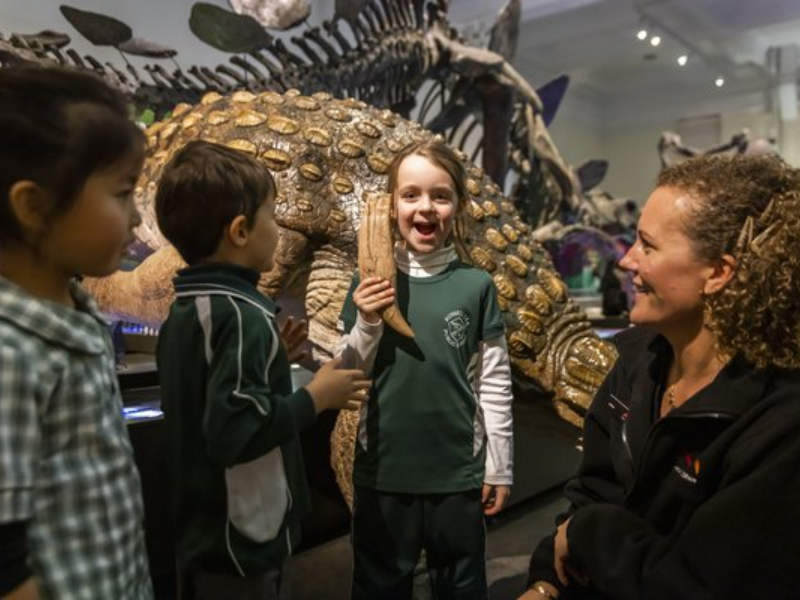
A visit to a place of historical importance, a museum, or a cultural institution will help the students understand how people lived, worked, and related to their surroundings.
A cultural program can help the students discover Australia’s varied histories and viewpoints. These programs, if done right, can lead to reflection on the themes of identity, heritage, and community and the need to protect cultural information.
Year 6 students in particular can benefit from such opportunities to question and reflect on various perspectives.
What Works: Giving Students Something to Do
A common mistake is assuming that an interesting destination automatically creates an engaging excursion.
It does not.
Even an impressive venue can lose students’ attention if they spend most of the day passively moving from one display to another.
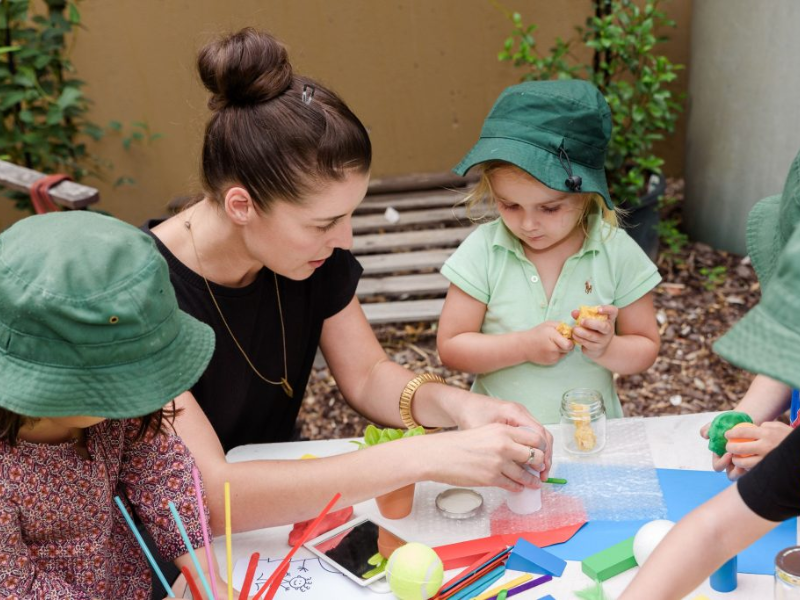
Learning is likely to be more effective as the students will be involved in the process. The students can be required to examine a question, solve a problem, attend a workshop, or engage with other students to come up with a solution.
This is a good way to make the program meaningful for Year 6 students since they become more and more independent in their thinking.
One example of an activity that could be offered to the students is:
- Examine something closely.
- Pose questions related to their observations.
- Brainstorm ideas in groups.
- Try out an idea or undertake a task.
- Reflect on what they learned.
What Can Fall Flat: Too Much Sitting and Listening
While not all education has to be very active, excessive passivity can quickly kill the mood.
Year 6 children are unlikely to stay engaged in the case of an excursion where there will be lots of lengthy explanations and no participation from the participants at all. Such excursions should avoid topics that are not related to anything that students have heard of or are interested in.
It does not mean that lectures and guided presentations do not have their uses after all; a skilled guide is very useful for any excursion, even if he/she encourages questioning.
The problem here is balance.
In other words, the ideal excursion should combine a presentation with some kind of activity, investigation, or demonstration.
What Works: Choosing the Right Level of Challenge
The Year 6 students require activities that will be challenging but not overwhelming for them.
An excursion that is either too easy might seem more suitable for younger kids, while an activity that is too hard will confuse or bore students.
However, the most successful school trips usually lie somewhere in the middle.
They introduce students to something new while providing them with the necessary background information so that they can feel comfortable during the excursion.
It is possible to achieve this effect if teachers take into account their knowledge before organizing such activities.
In particular, an excursion on a topic that was never discussed before in the classroom will probably turn out to be unsuccessful.
What Can Fall Flat: Trying to Fit Too Much Into One Day
It is certainly possible to impress someone with an overloaded schedule at the planning stage, but such a schedule will give students quite another impression on the field trip.
When students spend a lot of time moving from one place to another, standing in lines, and doing various activities, by the end of the tour they can feel quite tired without having time to immerse themselves in what they see.
A more focused itinerary often works better.
Instead of asking how many places students can visit, consider how much they can realistically experience and remember. One or two meaningful activities may have a greater impact than a long list of rushed stops.
Time should also be allowed for:
- Travel and transitions
- Meals and water breaks
- Rest periods
- Unexpected delays
- Questions and discussion
A little breathing room can make the entire day more enjoyable for both students and teachers.
Places That Work Well for Year 6 Excursions
School trips are available at numerous places all over Australia, and therefore the correct destination will depend upon various factors like location, curriculum, budget, etc. Nevertheless, certain destinations prove to be excellent options for Year 6 students.
Science and Discovery Centres
Science centres can make a good balance of education and recreation. Through interactive displays, students will be able to learn about scientific theories through experiments and observations.
This type of place is very beneficial if the students are learning things like forces, energy, technology, space, and human biology.
Museums and Historical Sites
There are various subjects in which museums can provide education, such as history, science, culture, and technology.
When it comes to Year 6 students, the museum excursions experience becomes much more effective if it is combined with interactive sessions where students would need to think analytically.
Wildlife and Environmental Destinations
Environmental learning could be gained from wildlife parks, conservation centers, wetlands, and other natural areas.
The students would learn about biodiversity, habitat conservation, and sustainability, among others, in an actual environment.
Cultural and Arts Experiences
Through galleries, theatres, culture centers, and creative workshops, learners can have an opportunity to engage with storytelling, creativity, and other forms of perspectives.
Such experiences will be especially important for those learners who learn well through creativity or visually.
Making the Most of Australia's Natural Environments
Some of the most memorable excursions for schools in Australia can be found outside traditional attractions.
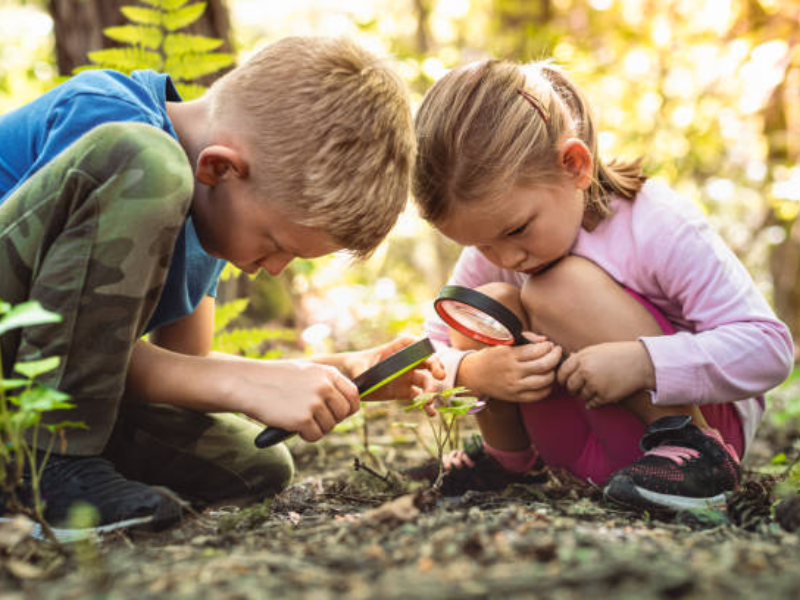
There are many natural settings in Australia that can serve as an ideal setting for practical education through observation and exploration.
Depending on the location, students can go to the beach, forest, wetlands, or national parks, among others.
Learning through fieldwork can enhance understanding of geography, science, and the environment.
But there are considerations to take into account when conducting field trips.
Once these considerations have been sorted out, outdoor education can help students relate more to the subjects they learn in school.
What Students Actually Remember
Although teachers take a great deal of time organizing the goals of the excursion, students will remember something else entirely.
They may recall an unexpected find, a joke among themselves with their peers, an activity that went well, or simply a conversation with someone whom they spoke to at some point throughout the day.
It doesn’t mean that the goal of education doesn’t matter – just that memorable learning takes place along with many other things.
Learning about the excursion itself makes students remember the event better.
Those moments include such things as:
- A find which they haven’t seen before
- A successful completion of a difficult activity
- Work as a team
- The question was asked and answered unexpectedly
- Exploration of an unknown area
- Finding links between classroom studies and everyday life
Those moments create a stronger emotional bond with knowledge.
Preparing Students Before the Excursion
Some preparation would go a long way in making the experience more productive.
The teacher doesn’t need to spend weeks preparing their students; simply giving some background on the topic prior to the trip can provide a structure to what the students will be seeing.
This can take the form of a brief classroom discussion, research assignment, or a list of questions for students to ask themselves on the day of the excursion.
For instance, the students going to a location that has some environmental importance would be encouraged to ask themselves:
- Which species would they expect to see?
- What dangers could threaten the environment?
- How can humans help conserve the environment?
What to Do After the Trip
Learning need not necessarily come to an end once students are back at school.
There is a simple way to help them make sense of their experience and link it to their learning at school.
Students could perhaps give a presentation, make reflections, talk about their favorite discovery, or even engage in a class project based on the field trip.
Such an assignment does not necessarily have to be another project for the students. Even a small discussion in the class can do the trick.
A Simple Way to Judge Whether an Excursion Will Work
When deciding on a place to go to, educators and school officials can ask themselves some simple questions such as:
- Will students be participating?
- Will the activity relate to the lessons?
- Will it be appropriate for Year 6 students?
- Will there be diversity in the program?
- Is there enough time allotted to visit each attraction?
- Will everyone be comfortable?
- Will students leave with an experience worth remembering?
The answer being mostly “yes” to these questions would mean that it is going to be more than a sightseeing trip.
Final Thoughts
The most successful Year 6 excursions are not necessarily the biggest, longest, or most expensive. They are the ones who give students a reason to be curious, participate, and see familiar subjects in a new way.
The best school trip destinations Australia offers can provide everything from science and environmental learning to cultural experiences and outdoor exploration. What matters most is choosing an experience that suits the students and gives them something meaningful to take away.
For schools planning their next Year 6 trip, starting with the learning goals and then exploring suitable destinations can help create an experience students will enjoy today and remember long after primary school ends.
FAQs
A good Year 6 excursion combines learning with hands-on activities, allowing students to explore new ideas, participate actively, and connect classroom topics with real experiences.
Popular options include science centres, museums, historical sites, wildlife parks, environmental programs, cultural centres, galleries, and outdoor learning experiences.
Consider the students' age, curriculum goals, travel time, accessibility, safety, budget, and whether the activities will keep students engaged throughout the experience.
Yes. Outdoor excursions can support learning in science, geography, and environmental studies while giving students opportunities to explore natural environments through direct experience.
Teachers can prepare students beforehand with questions or activities and follow up afterwards with discussions, reflections, or projects that connect the experience to classroom learning.
