Foundation Year 1 School Excursion Ideas Australia is an process of starting school comes hand-in-hand with various new experiences, but excursions can be considered among the most exciting ones. However, the trip for students of Foundation and Year 1 classes is not only about visiting an interesting place; young children learn better if they can observe, touch, and ask questions in a safe environment.
Taking into account all the possible places to go on school trips in Australia, it is crucial to understand that some particular destinations should be chosen in accordance with the developmental needs of the children of this age. At this age, shorter excursions, interactive activities, and familiar processes may turn out to be more productive than extensive ones.
This guide will discuss what a successful excursion for young children looks like and what kind of destinations can be chosen for them.
Why Early Primary Excursions Matter
These children in the early childhood education lessons are naturally curious people who love learning through sight, action, discussion, and play. The reason why there should be a field trip is that these children have to learn from what they learned in class.
Apart from learning about animals, weather, plants, and community helpers, children get to experience all of them in a real-life situation, and this always makes it easier for children to understand specific concepts because the learning is always associated with their experiences.
Field trips can also aid in the personal development of children by allowing them to:
- Be confident in new places
- Make social skills with fellow students
- Listen and follow instructions
- Observe and communicate better
- Be curious about their surroundings.
Many times, these experiences end up becoming one of the most positive experiences children have had at school.
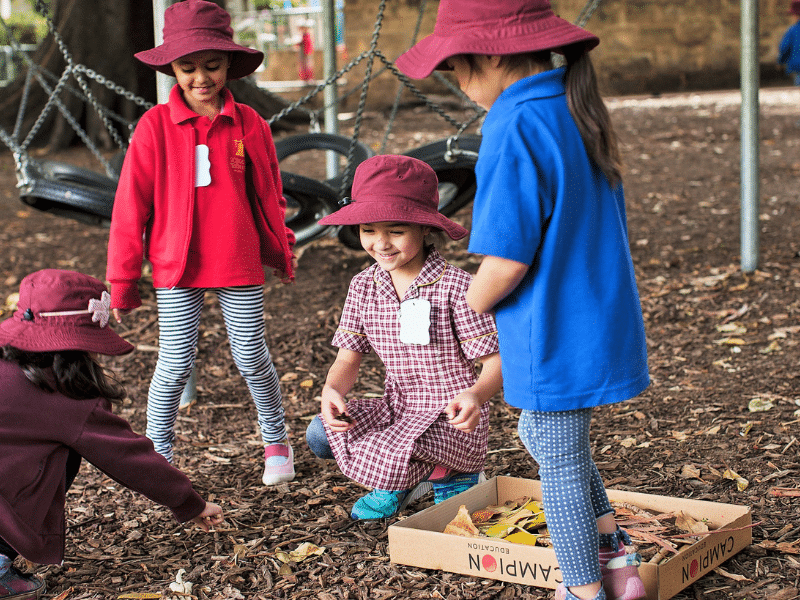
What Makes an Excursion Suitable for Foundation and Year 1?
Not every destination is designed with young learners in mind. A place that is suitable for older students may not be long before they feel bored or confused for those who are new to school.
Excursions that prove to be very effective are those which strike the right balance between learning and interacting. Foundation Year 1 School Excursion Ideas Australia should always prioritise hands-on learning, safety, and age-appropriate experiences that support classroom outcomes.
Things that are useful for young students include:
- Simple, hands-on activities.
- Short guided sessions.
- Time for questions and discussion.
- Safe spaces to explore.
- Regular breaks.
- Age-appropriate language.
Just as importantly, the day should not feel rushed. Children need enough time to observe their surroundings, participate in activities, and enjoy the experience without constantly moving from one place to another.
Nature Provides Some of the Best Learning Opportunities
The most outstanding benefit of Australia’s varied landscape is the availability of a wide array of learning experiences in the outdoors for children.
Learners get knowledge from nature by using their senses while being taught about plants, animals, insects, weather, and environments. The learners gain an understanding of different concepts that are being taught at the primary level.
Parks and Nature Reserves
A visit to a local park or nature reserve may appear simple, but it can become a valuable educational experience with the right activities.
Students might:
- Observe different types of trees and plants.
- Look for insects and birds.
- Compare natural materials such as leaves and bark.
- Discuss habitats and seasons.
- Record simple observations through drawings.
Because these environments encourage movement and exploration, they naturally suit younger learners.
Wildlife Parks and Animal Experiences
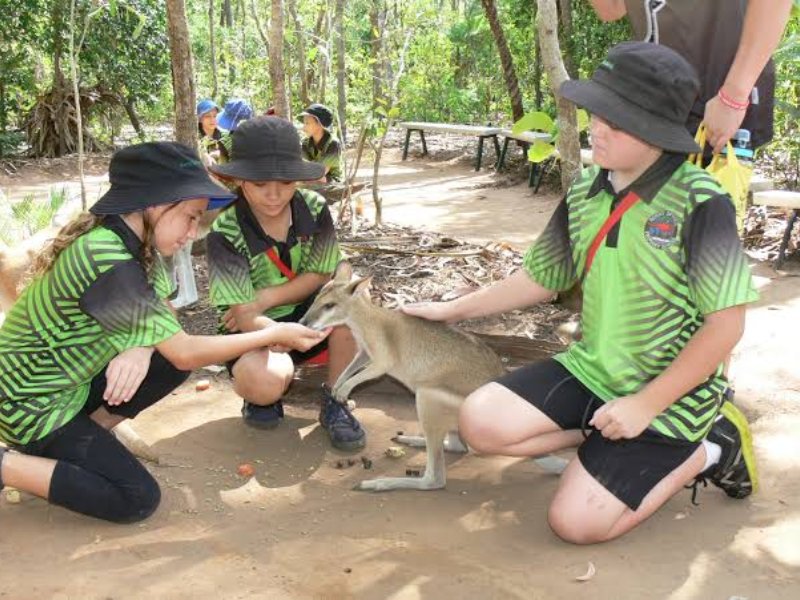
Kids get very excited about animals, which is why wildlife parks are the most visited places during school excursions. In Australia, such programs exist even for junior years.
Instead of just reading about the animals in books, children have the opportunity to watch how they behave and move around.
Many wildlife experiences also introduce topics such as:
- Animal habitats.
- Native Australian species.
- Conservation.
- Responsible care for wildlife.
- Respecting natural environments.
Interactive presentations often help children remain engaged while reinforcing classroom learning.
Community Excursions Help Children Understand Everyday Life
Foundation Year and Year 1 students are also studying the individuals and locations that comprise their communities.
Field trips to various organisations will enable children to see how various services contribute to their daily lives and also help to familiarise them with important roles within the community.
These field trips can be to:
- Libraries.
- Fire stations.
- Farms.
- Local councils.
- Community gardens.
- Cultural centres.
These excursions encourage children to connect classroom discussions with real places they may recognise within their own communities.
Museums Designed for Young Learners
Not all museums may be suitable for little children, but many museums nowadays conduct interactive sessions specifically for young children.
These sessions include activities such as storytelling, learning through senses, playing games and investigations, and not boring lectures.
The following options are available to children:
- Handle safe objects.
- Complete simple challenges.
- Listen to stories.
- Explore themed displays.
- Participate in guided activities.
These experiences help maintain attention while encouraging active participation.
Learning Through Art, Music, and Creativity
It is also important that creative experiences be equally valued during childhood.
Art exhibitions, children’s museums, theatrical productions, and creative classes expose children to various forms of creativity while fostering imagination and communication skills.
Children can engage in various activities like:
- Painting.
- Music sessions.
- Puppet performances.
- Storytelling.
- Craft workshops.
These experiences support creativity while also building confidence and communication skills.
Choosing Activities That Match Short Attention Spans
One of the biggest planning mistakes for younger students is expecting them to remain focused for extended periods.
Foundation and Year 1 children generally learn best through shorter activities that vary throughout the day. Changing between observation, movement, discussion, and hands-on participation helps maintain engagement.
Instead of scheduling long presentations, schools can look for programs that include:
- Interactive demonstrations.
- Guided exploration.
- Simple games.
- Outdoor movement.
- Group participation.
Small changes in pace often keep students interested without overwhelming them.
Keep the Itinerary Simple
Children do not usually profit from trying to see more than one place in a single day.
The fatigue experienced by the students may precede the enjoyment of the experience due to long bus trips, changes in locations, and tight schedules.
An effective field trip is one that involves visiting one place only with sufficient time for exploration.
Planning the day should involve adequate time for:
- Arrival and orientation.
- Activities.
- Morning tea or lunch.
- Toilet breaks.
- Quiet rest periods.
- Travel.
A relaxed schedule gives children opportunities to enjoy learning rather than feeling rushed.
Safety and Comfort Come First
Children must feel safe for them to have fun during the outing.
In such a scenario, the schools must consider things such as supervision, accessibility, weather, means of transport, and any medical issues.
The parents can help in this regard by making sure that the kids are dressed accordingly, have water, hats, and any medication.
Young children will feel confident to take part in the outings if they feel at ease.
Helping Children Prepare Before the Excursion
Preparation goes a long way.
The teacher can familiarize students with the destination using class discussion, pictures from books, or activities before the field trip. It makes the children comfortable about what they will encounter.
Parents can assist in the preparation by speaking positively about the trip and reminding children that they should:
- Stay with their group.
- Listen to the teachers.
- Be nice to people.
- Respect animals and the environment.
- Ask for help if necessary.
Such simple talks will prepare the children to be excited about the trip and its expectations.
What Students Often Remember Most
While adults often emphasize outcomes, young children recall other aspects of the experience.
This can range from feeding a creature to observing a colorful bird, riding the bus with one’s peers, growing a plant from a seed, listening to a tale, or learning something one had never seen before.
All this is important because all these experiences create positive associations with learning.
Unlike workbook pages, which are difficult to remember, experiences stand out.
Choosing Destinations That Grow With Students
Excursions have been organized at various year levels in many educational institutions. The selection of such destinations that provide programs for various age groups ensures that the same destination can be visited by students while growing and gaining more understanding of the complex subjects.
Various educational organizations providing excursions in Australia provide age-appropriate learning programs that vary from Foundation level all the way to upper primary level.
Supporting Learning Beyond the Classroom
Excursions gain added value when they are related to classroom tasks both before and after the excursions.
Teachers may suggest that students do the following:
- Draw the best thing of the day.
- Discuss something new they have learned.
- Do some simple reflections.
- Create a class poster.
- Discuss their excursion experiences with other children.
These tasks help consolidate learning while giving children an opportunity to communicate their findings.
Final Thoughts
Ideal Foundation and Year 1 excursions would be those that fit into how young kids learn best, by nature of their curiosity, activity, discussion, and interaction. Proper age-related choices of destination and sufficient amount of time for the process are essential in achieving positive learning experiences that children will cherish.
In their search for numerous Australian destinations for school trips, educators need to pay attention to simple, enjoyable, but well-organized activities to help young people gain self-confidence in the process of getting familiarized with the outside world. If you are planning an excursion for early years, there are lots of destinations for little children.
FAQs
Popular options include wildlife parks, nature reserves, children's museums, farms, libraries, community centres, and interactive science or cultural venues designed for young learners.
Most younger students benefit from shorter excursions with a simple itinerary, regular breaks, and enough time to explore without feeling rushed.
Choose destinations that offer hands-on activities, use age-appropriate language, support classroom learning, and provide a safe, engaging environment for young children.
Hands-on activities encourage children to explore, ask questions, and learn through direct experience, helping them better understand new concepts and stay engaged.
Parents can help by packing the required essentials, talking about what to expect, reminding children about safety and respectful behaviour, and encouraging them to enjoy the experience.
