School trips can be quite a novel activity compared to the regular school activities. Students may enjoy new places, new company, and a totally new way of learning things at school excursion.
However, there might be a few concerns about the upcoming event from the side of the parents. What will their child need to pack? What if they get sick? Who will take care of their child? What preparations should the parents do prior to the school trip?
No matter whether the trip will be a one-day trip or one of the many school trips in Australia, having a basic idea of what to expect can help a lot. The parents don’t have to plan everything, but being prepared for the event is very important.
Below is the basic information that parents need to know before their child leaves on the next school trip.
Start With the Information From the School
It’s simple; start by reading all the material provided by the school.
Information is usually provided by schools before an excursion takes place. This information can come in the form of a permission slip, information sheet, e-mail, school website, or even a parents’ meeting.
The information varies depending on the type and duration of the excursion. Avoid getting information from what your child tells you after a brief chat in the car.
Look out for information about:
- The destination and planned activities
- Departure and return times
- Transport arrangements
- What students should bring
- Meals and snacks
- Clothing requirements
- Emergency contact details
- Medical or allergy information
- Accommodation arrangements for overnight trips
If something is unclear, it is better to ask the school before the day of departure. A quick question can prevent confusion later.
Understand the Purpose of the Trip
The idea of going on a field trip is not necessarily an outing that provides fun away from classes. Often, the trip is planned based on lessons taught in class and will afford the child the opportunity to have practical experiences with the lesson.
Museum trips would be helpful for a history lesson. Visits to wildlife centers can be linked to science classes. Cultural events can aid in exploring the history of Australia.
Knowing the reason for the trip will help in discussing the trip with the children.
Parents do not have to simply ask “Are you excited about the trip?” but rather:
- What will you be learning about?
- What is it that you are looking forward to seeing?
- Is there anything that you want to know?
- Have you learnt about this subject in school?
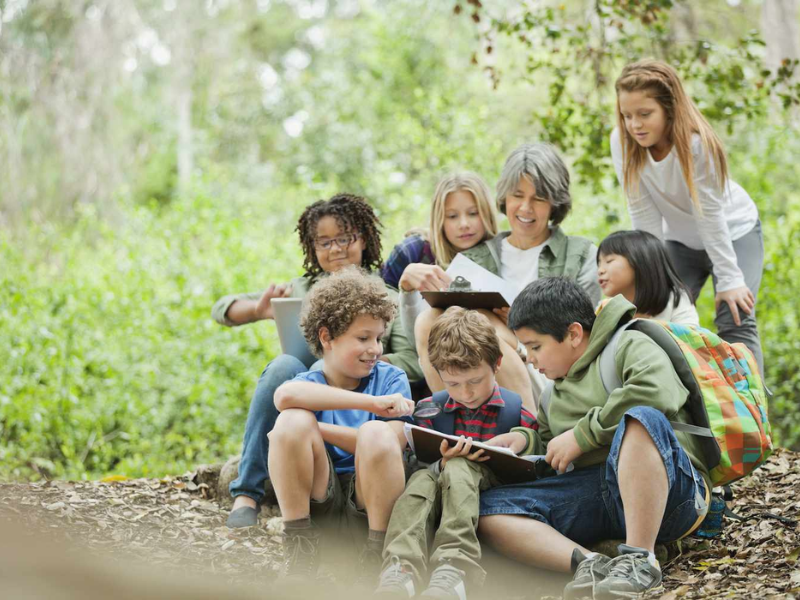
What Should Your Child Take?
Packing up for a day trip is normally simple enough, although it is always best to consult the school guidelines prior to packing the bag to ensure that the correct items are packed based on destination, weather conditions, and activities.
For a day trip, kids may require:
- A comfortable backpack
- A refillable water bottle
- Lunch and snacks, if required
- A hat
- Sunscreen
- Comfortable clothing
- Suitable walking shoes
- Any required medication
Don’t send anything that you don’t really need unless the school has explicitly stated that they want them there.
It is better if your child uses a smaller backpack, especially if the day involves moving around. It would also be beneficial to label your child’s stuff since several children may have bags, water bottles, and jackets that look alike.
Think About Clothing and Weather
The weather can affect how comfortable children feel during their time at school. If the child is properly dressed, he or she will be happier.
Plan in advance according to the weather, but pay attention to your school’s guidelines as well. The weather can vary, especially when children travel to another area.
When the kids go outside, proper clothes will do fine. What children might need includes:
- Walking shoes
- A hat for sun protection
- A light jacket or raincoat
- Clothing appropriate for the activity
- Extra layers if temperatures may change
If your child is likely to get wet or muddy, check whether the school recommends bringing a change of clothes.
Make Sure the School Knows About Health Needs
The most critical thing that parents should do before leaving for the trip is ensure that the school has all the relevant health information about their child.
This applies especially if your child has:
- Food allergy
- Asthma
- Diabetes
- Medication
- Special dietary needs
- Special mobility needs
- Other medical condition
Do not assume that the school knows everything. Ensure that any changes from the previous information have been communicated to the concerned personnel well before leaving.
In case your child requires medication, follow the instructions for keeping and administering it as per the school’s rules and regulations. In some schools, students are not allowed to keep their medication with them.
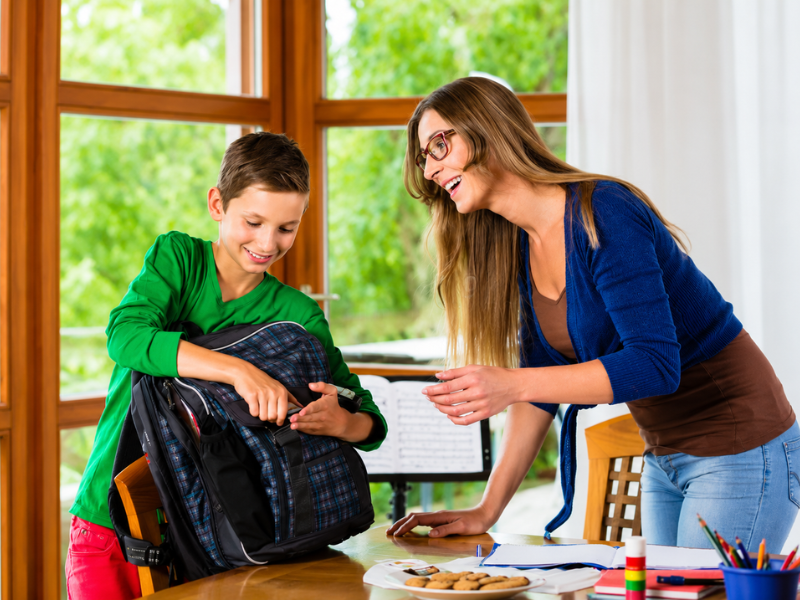
Talk to Your Child About Safety
After all, there are always some safety rules and regulations in school. However, kids also have to be aware that they are responsible for their safety too.
When you are preparing your kid for the trip, you have to make sure that they know about following their own group and heeding the directions of their teachers and supervisors. They have to know to whom to turn if they get lost, feel ill, or are scared.
Some simple points could be:
- Stay in your assigned group
- Follow the instructions of your teachers and supervisors
- Approach an adult in case of illness
- Seek guidance if in any doubt
- Never move out of the group without permission
These discussions don’t have to be a drama. It’s just making sure that your kids know what to do in an emergency situation.
What About Food and Dietary Requirements?
The food itself might turn out to be a practical issue while going on an outing in Australia for the whole day and more.
Find out from the school whether meals will be provided to the kids or whether it would be necessary to take some food with you. In case there are meals served, make sure that the school knows about all the food preferences.
If kids are taking their own food, select only those food products that are convenient to carry and consume.
It is also important to find out whether food can be brought to the destination.
Help Your Child Prepare Emotionally
Children will have different reactions to a school outing experience.
There may be some who are eagerly waiting for the big day, while others are afraid of the prospect of traveling without parents or getting involved in new experiences.
Especially if it involves overnight stays and especially if your child is young or attending his/her first one, this becomes extremely relevant.
When your child is feeling fearful, allow him/her to express those fears. Be supportive by telling your child what he/she can expect during the day and who else will be around.
It will not do any good to bring up all the possible negative scenarios during your conversation, as this might cause unnecessary fear in your child.
Overnight Trips Need Extra Preparation
Overnight school trips throughout Australia involve a bit more organization than a regular day excursion. There may be a need for children to pack up, organize a schedule, share accommodation, and stay out of their homes longer.
Prior to the trip, ensure you know from the school about the following:
- Accommodation details
- Sleeping arrangements
- Appropriate clothes
- Personal hygiene products
- Medication instructions
- Contact procedures
- Policy on phones or other gadgets
When it comes to packing, less is more. Kids rarely need to pack everything from their bedrooms.
Involving your kid in packing could be useful too. It is important to know where everything that belongs to them is located.
Understand Communication Arrangements
Often, parents wonder how they can communicate with their child during overnight travel.
Each institution has different communication policies; while some permit children to use mobile devices, others may prohibit any form of communication during such activities. It could also be possible for schools to communicate with parents via official means of communication.
You should learn about how communication will be done before the trip.
In case your child is permitted to use phones, he/she should be advised on the importance of following the communication policy set by the institution. The main reason for the trip is for children to enjoy the activity.
Encourage Independence Without Overloading Your Child
One of the advantages of taking students to travel all across the country is that the children can gain some experience that they do not necessarily get every day when they stay at home.
The students get a chance to take care of their belongings, maintain a schedule, interact with adults, and make their decisions.
This can be done by parents preparing the children prior to the travel.
For instance, allow the child to:
- Pack his/her belongings
- Ensure he/she has got everything he/she requires
- Take care of his/her water bottle
- Ask questions regarding the schedule
- Be responsible for his/her personal things
Talk About Behaviour and Respect
Since children are ambassadors of their school while on trips, behaviour becomes very important.
Prior to the trip, ensure your child is aware that they are supposed to behave in a respectful manner towards teachers, guides, people at venues, other children, and the general public.
Similarly, there are codes of conduct for different places. For instance, museums, cultural spots, animal centers, and natural environments have their own code of conduct.
Children need to be aware of the significance of behaving well:
- In following instructions
- With respect to cultural spots and traditions
- Towards the environment
- Toward animals
- Towards other visitors
This is not about discipline alone. It is more about understanding one’s role within a bigger group.
What If Your Child Gets Sick?
This is very common for parents who are worried about what could happen should their child get sick while away.
The procedures for such situations can normally be found at school and during trips. Make sure the school has all necessary emergency numbers and is informed about your child’s medical condition.
Should your child be unwell before going, you must think about whether your child is well enough to go. To send an ill child on a trip will likely only make him/her even more unwell.
In case of minor problems, school staff will most likely adhere to the school guidelines. In case of any more severe problems, the parent or emergency contacts will be contacted according to the school guidelines.
What Parents Should Avoid Packing
More does not always equal better.
If these items have not been specifically requested by the school, do not bring your child with any items that may get lost, broken, or become a distraction.
These may include:
- Valuable jewelry
- Electronic items of high value
- Lots of money
- Unnecessary toys
- Any items that are not allowed at school
A school trip is an exciting adventure. Limiting yourself to bare essentials makes the trip more interesting.
When Your Child Comes Home
It is not surprising to receive a one-sentence response to a question regarding the trip.
“It was good” is all your child might say after a tiresome day.
Allow him/her some rest and pose other questions. Try asking what made them feel surprised or what they can share about the trip with their friends rather than if they enjoyed the experience.
They can surprise you with something totally unexpected. It is possible that something other than the attraction will become memorable for a child on a trip, such as a talk with the guide, some unusual creature they have seen, or just some discoveries made with friends.
Making the Most of the Experience
The school trip is a joint effort of the students, teachers, organisers, and even parents. While the teachers and the organisers will plan the trip and oversee everything, the parents can contribute by making sure that their kids go there prepared and educated enough.
The best educational trips Australia has to offer could provide students with the chance to experience learning in a different setting, gain independence, and get to know something new. Parents could facilitate this process without having to control everything.
A little bit of preparation would work wonders. Just read the material given by the school and answer any questions your kid might have before letting him or her attend the tour.
Conclusion
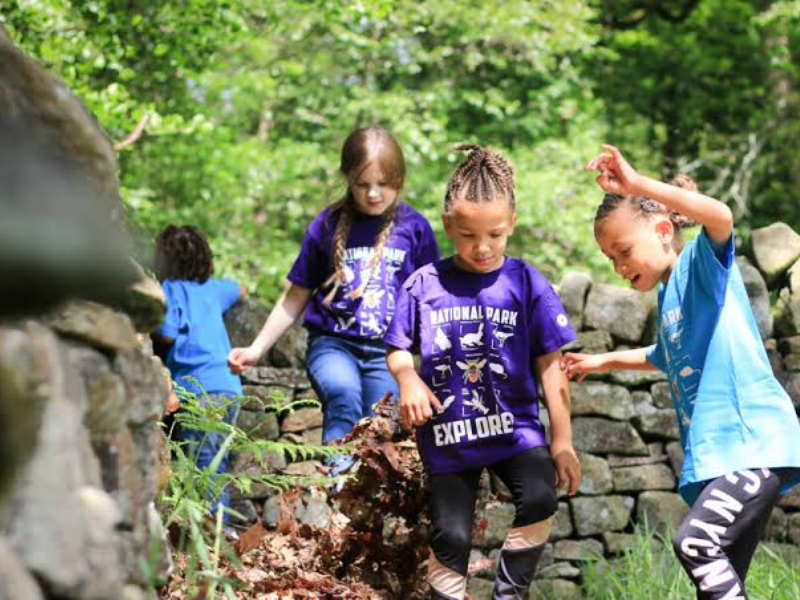
A field trip could be among the highlights of one’s school days. The school trip might open up a new world to them, teach them about something in a classroom from another angle, or give them the courage to venture into something they have never done before.
It all boils down to preparation, rather than over-planning, as far as parents are concerned. You should familiarize yourself with the preparations that will be made, give out the necessary health information, pack what your child actually needs, and remind him or her about safe behavior.
With all that sorted out, students should focus on enjoying the activity at hand. If your child has a field trip coming up, spend some time reviewing the relevant material from your child’s school.
FAQs
Parents should follow the school's packing list and provide essentials such as comfortable clothing, suitable shoes, water, food, sunscreen, and any required medication.
Parents can explain the itinerary, discuss safety rules, and encourage children to ask teachers for help if they feel unwell, lost, or uncomfortable during the trip.
Schools have procedures for managing illness and emergencies. Parents should provide updated medical information and emergency contact details before the trip.
Phone policies vary between schools. Parents should check the school's guidelines and remind children to follow the rules about phone use during the trip.
Parents can help by making sure children are well prepared, packing the necessary items, and encouraging them to participate, stay curious, and enjoy the experience.
