A student who travels with an overloaded bag might actually lack the single object which counts the most. Excess clothes will never compensate for needed medication; wrong footwear can hinder the child’s ability to participate, and an absent raincoat can spoil a trip outdoors.
Packing for a school trip is not about being ready for all eventualities. Packing is about filling the bag with those items that suit the location, program, weather conditions and duration of the journey.
A clear packing system makes that easier. This guide separates what students should wear, what belongs in their day bag, what is needed for overnight travel and what should stay at home.
One Trip Does Not Need a Universal Packing List
A museum visit may require little more than lunch, water and a notebook. A coastal field study could require sun protection, a waterproof layer and spare socks. An overnight camp introduces clothing, toiletries and sleeping arrangements.
Before opening the suitcase, read the school’s information sheet and identify four details:
- How long students will be away
- Whether activities are indoors or outdoors
- What the venue or accommodation supplies
- What students must carry themselves
The official school list takes priority because it reflects the itinerary, accommodation and safety requirements. A general guide should be used to check that list, not replace it.
What Every School Excursion Packing Plan Should Cover
It becomes very easy to do this by grouping personal belongings in three major groups: clothes, day bag stuff, and overnight bag stuff.
By doing this, students will always be able to access whatever they need without carrying their whole luggage everywhere.
What the Student Should Wear
Students should travel in clothing that suits the first activity of the day. Changing immediately after arrival can waste time and create another opportunity for items to be misplaced.
Unless the school provides different instructions, suitable clothing may include:
- The required school or sports uniform
- Comfortable closed-toe shoes
- Weather-appropriate socks
- A warm layer that is easy to remove
- A school-approved or broad-brimmed hat
- A lightweight waterproof jacket when rain is possible
Shoes matter more than many students expect. A trip involving galleries, city walking or guided tours can still require several hours on foot. Shoes should be secure, broken in and suitable for the surfaces students will use.
Valuable jewellery, expensive watches and difficult-to-replace accessories are better left at home.
What Belongs in the Day Bag
The day bag should contain only what students need while travelling and participating. It must be comfortable enough to carry and simple enough for the student to manage independently.
A practical day bag may contain:
- A refillable water bottle
- Lunch and snacks when not supplied
- Hat and sunscreen where required
- Small notebook and pencil
- Activity sheet or learning materials
- Lightweight rain protection
- Tissues
- A small bag for rubbish or wet items
- Personal medication managed according to school instructions
The food must be easy to open, without chances of spilling, melting, or needing to reheat. The use of glassware and heavy lunch boxes could be cumbersome.
Separate the paperwork and devices from the food. The worksheets can be put in a water-resistant case while undertaking outdoor activities.
What Belongs in the Overnight Bag
The main bag is for items that students will not need until they reach their accommodation. It should be clearly named and small enough for the student to lift or move when required.
For each night away, students may need:
- Underwear and socks for each day
- One practical outfit per day
- Sleepwear
- A warm jumper or fleece
- Toiletries in a waterproof bag
- Laundry or wet-clothing bag
- Spare shoes when requested
- Towel, linen or sleeping bag when not supplied
Outfits that include shirts, pants, underclothes, and socks can be packed in one pack for little kids. Having only one extra set of clothing instead of several pieces of unrelated clothing is better.
In addition, packing an outfit in one pack saves time since it will not be necessary to unpack the whole backpack each morning.
Adjust the List to the Type of Trip
The destination and activities should change the packing list. Families planning for school trips across Australia may encounter city walking, beaches, alpine weather, bushland and indoor cultural venues within the same season.
One-Day Urban Visit
Museum, gallery, theatre and civic visits usually require a compact day bag. Students might require their lunch, water, study materials, and an additional layer to keep warm.
Do not include any devices for entertainment unless it is allowed by the school. Students will be spending long hours sitting on the couch, but using phones, iPads, and other gaming gadgets might create security concerns.
Outdoor Field Trip
Geography, science, and environmental studies allow students to experience exposure to wind, rain, mud, insects, and varying temperatures. Some additional activities could be:
- Long trousers or activity-appropriate clothing
- Sturdy walking shoes
- Spare socks
- Waterproof jacket
- Insect repellent when recommended
- Sun-protective clothing
- Additional water where refill points are limited
The Bureau of Meteorology recommends checking forecasts and reviewing them regularly as outdoor travel approaches. Its official services provide local forecasts, UV information and current weather warnings.
Conditions at the destination may differ significantly from those at home, particularly for coastal, alpine or regional locations.
Overnight Camp
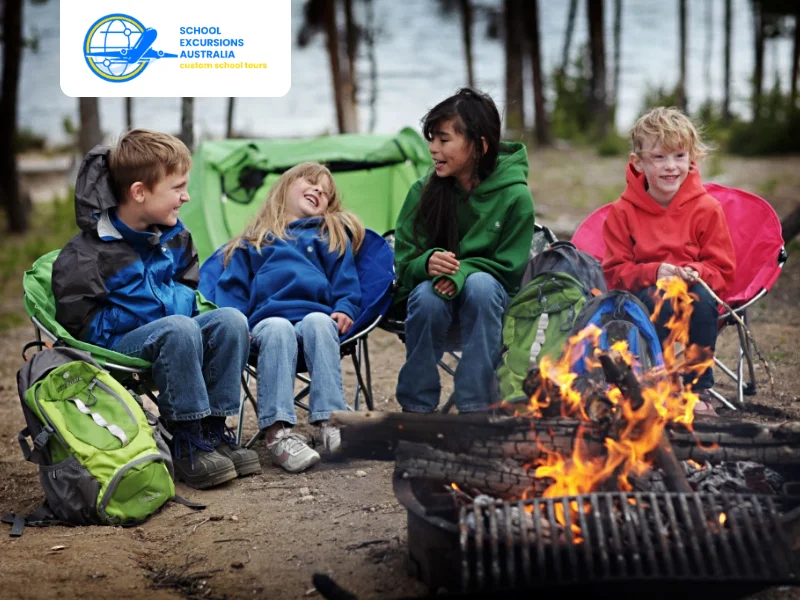
Camp packing should reflect the accommodation and activities rather than assumptions about what a camp normally provides. Some venues supply bedding and towels; others require students to bring everything.
Confirm whether students need:
- Sleeping bag and pillow
- Fitted sheet
- Bath or swimming towel
- Torch
- Closed shoes for evening activities
- Swimwear
- Activity-specific equipment
- Reusable plate, cup or cutlery
A torch may be useful at a rural camp but unnecessary in fully serviced accommodation. Specialist items should only be purchased after checking what the provider supplies or hires.
Interstate Educational Tour
Longer educational tours across Australia may involve luggage limits, early departures and several accommodation changes. Clothing that can be layered and used more than once is generally more practical than separate outfits for every minor temperature change.
Keep travel-day essentials in the day bag. Main luggage may be inaccessible while travelling, so students should not place water, required documents, or an essential outer layer at the bottom of a suitcase.

Pack for Weather Without Packing the Wardrobe
Layering is most effective in weather preparation. A shirt, middle-layer clothing, and an outer layer are better than one jacket. Sun protection should be considered all year round. SunSmart suggests employing different means of protection when the ultraviolet rays are at levels that require protection. The means include clothing, hat, sunscreen, sunglasses, and shade.
A simple weather combination may include:
- Sun-protective clothing for exposed activities
- Warm layer for early starts or evening programs
- Lightweight waterproof jacket
- Spare socks for wet environments
Students rarely need several heavy jumpers. One dependable warm layer is easier to carry, identify and dry.
Leave Medication Management to the Agreed Process
Medication should not be hidden in luggage or handed informally to a student without the school’s knowledge. Parents and carers should follow the school’s requirements for authorisation, labelling, storage and administration.
Before departure, confirm:
- Whether the student may carry the medication
- Whether it must be handed to a staff member
- What documentation or action plan is required
- Whether the medication is within its expiry date
- Whether enough is supplied for the full trip
- How temperature-sensitive medication will be stored
Healthdirect advises travellers to plan for regular medication and keep medicine in its original packaging. School policies and the student’s health plan will determine the exact arrangements for the trip.
ASCIA also provides specific school resources and checklists for managing anaphylaxis during camps and travel. Current medical information should be shared early enough for staff to prepare appropriate support.
What Usually Gets Packed but Rarely Gets Used
Overpacking often begins with reasonable intentions. Families add extra clothes, electronics and toiletries because each item might be useful. Together, however, they create a bag the student cannot manage.
Common unnecessary items include:
- Multiple outfits for the same day
- Full-size toiletry bottles
- Expensive headphones or electronics
- Several pairs of casual shoes
- Large amounts of spending money
- Valuable jewellery
- Unapproved snacks
- Heavy books not required for learning
Students do not have to pack their entire room into the suitcase; comfortable pajamas or just one comfort item can make the stay away easier, but not take up all the space in it.
Some schools might even ban the use of aerosols, gadgets, speakers, food, or sports equipment. Check the trip notice before packing these items.
Let Students Take Part in Packing
Packing is also preparation. When adults pack everything without the student, the student may not know which pocket contains the raincoat, what their towel looks like or whether a missing item belongs to them.
Ask the student to:
- Read through the list
- Place required items on the bed
- Match each item to an activity
- Help label clothing and equipment
- Pack the day bag themselves
- Carry the completed bag before departure
This process develops independence and reveals practical problems. A backpack that feels reasonable when empty may become uncomfortable once filled.
Younger students can use a printed checklist with simple categories. Older students can take greater responsibility while an adult completes the final check.
The Final Five-Minute Check
The morning check should focus on essential items that could not be packed earlier. It is not the time to add another outfit or rearrange the entire bag.
Confirm that the student has:
- The correct clothing and shoes
- Water and food when required
- Hat and weather protection
- Required learning materials
- Medication provided through the agreed process
- Clearly labelled day and overnight bags
Check that every zip and bottle closes properly. Ask the student to lift and carry the bag. When it feels unnecessarily heavy, remove items that are not connected to the itinerary.
Pack for the Experience Students Will Actually Have
A useful packing list follows the itinerary. It gives students what they need to stay comfortable, participate safely and manage their belongings without filling every available space.
For the next school excursion, begin with the school’s instructions, divide items between clothing, day bag and main luggage, then let the student complete part of the packing. Families and teachers can also review further school travel information across Australia while preparing for the trip.
Frequently Asked Questions
A complete spare outfit is mainly useful for water activities, muddy fieldwork or younger groups. For most indoor visits, spare socks or a lightweight outer layer may be sufficient.
Yes. Labels are particularly helpful for school jumpers, hats, drink bottles, towels, torches and toiletries because these items are commonly similar across the group.
Only when the school permits it. The trip notice should explain whether phones can be used, must remain switched off or will be collected by staff.
Families should discuss suitable management with a pharmacist, doctor and the school before travel. Healthdirect notes that motion sickness is particularly common among children aged seven to twelve, but medication should not be packed or administered without following appropriate advice and school procedures.
Only the amount recommended by the school. Many trips do not require personal spending money, and carrying extra cash creates another item for the student to secure.
