A pleasure trip that lasts for days can be pleasant or not based on various aspects other than the destination alone. Issues commonly arise at an earlier stage of planning, such as selecting dates prior to cost verification, including activities while not leaving time for transit, or providing a quote to families that later varies.
School excursion destinations in Australia can cater for such topics as history, science, geography, civics and environment studies, among others. Nevertheless, for a successful trip to be planned, all these elements must go together.
This guide explains how to plan each part in the right order without creating unnecessary pressure for staff or families.
Begin With the Learning Purpose
A multi-day trip should start with a clear educational reason. Selecting an attractive destination initially, followed by finding out how to link it to the curriculum, may result in an overly expensive trip that lacks academic value.
Determine what the students will learn by the end of the trip. A useful planning statement may explain that students will investigate coastal ecosystems, examine Australian democratic institutions or compare historical evidence across several sites.
Once the purpose is clear, separate activities into three groups:
- Essential curriculum-linked experiences
- Supporting activities that strengthen the topic
- Optional recreational additions
This distinction makes later budget decisions easier. When the price needs to be reduced, optional activities can be reconsidered without weakening the central learning outcomes.
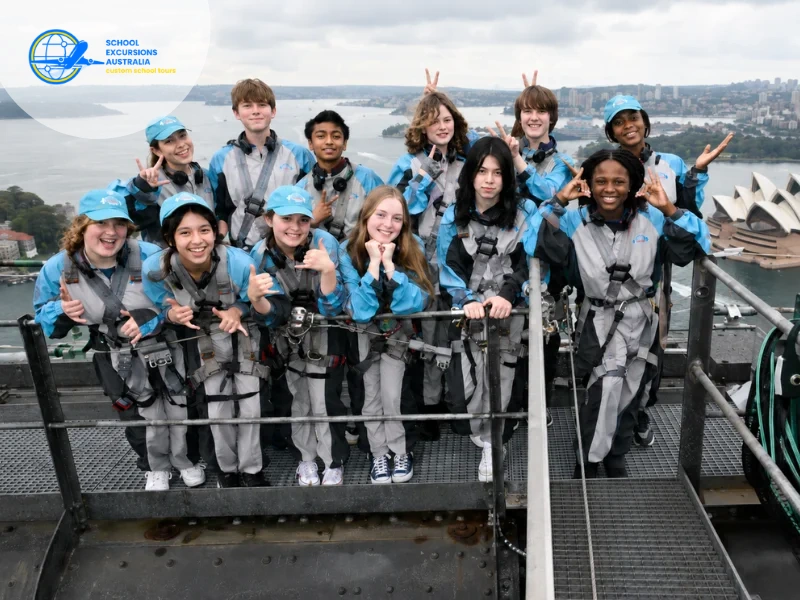
Compare the School Excursion Destinations Australia Offers
The right destination is not necessarily the one with the longest list of attractions. It is the place that delivers the strongest learning value within the school’s available time, budget and supervision capacity.
Consider the Total Travel Time
A destination may appear affordable until the cost and practical impact of reaching it are calculated. Long transfers reduce teaching time, increase driver costs and can leave students too tired to participate effectively.
Compare destinations according to:
- Travel time from the school
- Coach, rail or flight availability
- Transfers between accommodation and venues
- Suitable rest stops
- Arrival and departure restrictions
- Seasonal traffic or weather conditions
A closer destination with well-connected activities may offer better value than a major city where the group spends several hours each day travelling between venues.
Assess the Concentration of Learning Experiences
Identify destinations where several curriculum-related activities can be done all in one place. Destinations such as museums, field work locations, civic or cultural sites located near each other will cut down transportation costs and make the program more cohesive.
For instance, some of the best school trip destinations in Australia for a history program will enable students to study primary sources, tour a historical location and attend a workshop all without being transferred over great distances.
Identify appropriate destinations for a school trip in Australia according to their contribution to the learning experience, not the number of attractions at the location.
Check Suitability for the Group
The destination must also be appropriate for the students’ age, independence, mobility requirements and previous travel experience. A demanding outdoor program may be suitable for one year level but unnecessarily complex for another.
Before building the itinerary, confirm:
- Venue accessibility
- Age or height restrictions
- Dietary support
- Availability of quiet or low-stimulation spaces
- Medical access
- Accommodation security
- Mobile coverage in regional areas
- Alternative activities during poor weather
Accessibility adjustments should be included in the original plan and budget. They should not be treated as late additions after bookings have been made.
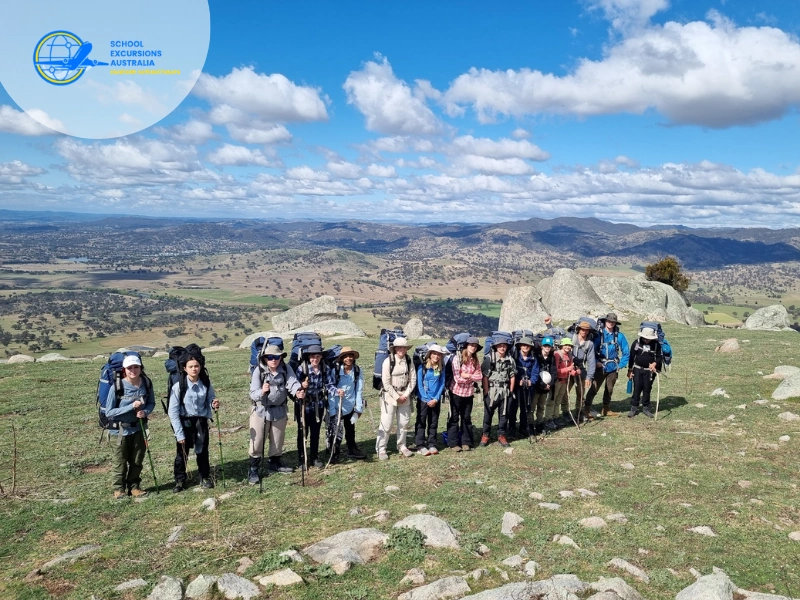
Build the Itinerary Before Requesting Final Prices
Providers need accurate information to prepare useful quotes. “Three days in Canberra” could be a vague enough request that doesn’t include transport, meals, evening activities or even accommodation for the staff.
Propose an itinerary with realistic timings for arrival, activity, meal and departure. Don’t forget to include transport time from each place to the other.
Avoid Filling Every Available Hour
A multi-day excursion does not need constant activity. Students require time to eat, settle into accommodation, prepare for the next session and process what they have learned.
Allow extra time for:
- Boarding and roll calls
- Traffic or transport delays
- Toileting and meal breaks
- Moving large groups through venues
- Medication administration
- Room allocation
- Daily briefings and reflection
Two well-planned visits can produce more meaningful learning than four rushed activities. A manageable schedule also reduces behavioural and supervision pressure.
Confirm What Each Booking Includes
Written quotes should explain the exact inclusions, payment dates and conditions. Do not assume that an advertised group price includes every part of the experience.
Check whether activity costs cover:
- Student and teacher admission
- Guided programs
- Learning materials
- Equipment hire
- Booking charges
- Taxes
- Venue transfers
- Cancellation or rescheduling options
Keep all quotes in one budget file and record their expiry dates. This prevents an outdated figure from being used during the approval process.
Prepare a Realistic Multi-Day Budget
The advertised accommodation rate or activity price is only part of the total cost. A reliable budget includes every compulsory expense from departure until the group returns.
Organise the budget into clear categories:
- Transport and transfers
- Accommodation
- Activities and admission
- Meals and drinking water
- Staff expenses
- Equipment or clothing
- Insurance where applicable
- Emergency or contingency funds
Calculate the cost using a conservative number of paying students. A coach may cost the same whether 45 or 50 students attend, so relying on maximum participation can produce a shortfall when several students withdraw.
Include Staff and Supervision Costs
Required staff places need to be funded even though staff are not paying participants. Include their transport, rooms, meals and activity fees unless a provider has confirmed complimentary places in writing.
Supervision requirements can vary according to the activity, group and education authority. The Victorian Department of Education’s excursions policy explains that schools must follow applicable planning, approval and safety requirements. The Queensland Department of Education also provides an official school excursions procedure covering responsibilities associated with school travel.
Schools should always apply the current policy of their own state, sector and governing authority.
Add a Transparent Contingency
A contingency allowance covers reasonable uncertainties rather than unplanned upgrades. It may account for small participant changes, revised transfers, emergency meals or unavoidable price adjustments.
The amount should reflect the complexity of the trip. A regional coach program with fixed prices may require less flexibility than interstate student travel involving flights and several providers.
Document:
- How the contingency was calculated
- Which expenses it may cover
- Who can approve its use
- How unused funds will be handled
Transparency makes the proposed student price easier for school leaders and families to understand.
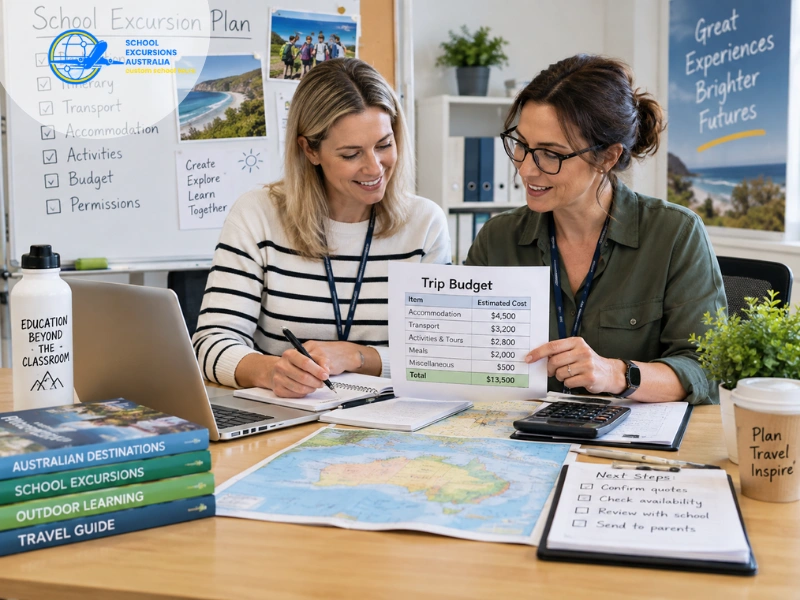
Complete Approval and Risk Planning Together
Budgeting, risk assessment and itinerary design should not be treated as separate tasks. A change in one area often affects the others.
Replacing a short daytime transfer with a longer evening journey, for example, may affect driver costs, staff hours, fatigue controls and arrival procedures. Adding an outdoor activity may require specialist supervision, equipment and a weather alternative.
An approval submission will usually need:
- Educational purpose and curriculum links
- Detailed itinerary
- Transport and accommodation details
- Student and staff numbers
- Supervision arrangements
- Risk assessment and emergency procedures
- Medical and accessibility planning
- Itemised budget
- Payment and cancellation terms
- Family communication plan
Exact requirements differ between education systems. Check the school’s policies before paying deposits or making non-refundable commitments.
Communicate With Families Before Collecting Payments
Families need enough information to make an informed decision. A clear excursion notice should explain the learning purpose, dates, destination, expected cost, inclusions and payment schedule.
It should also identify expenses that are not included, such as personal spending, specialist clothing or meals during particular travel periods. These additional costs influence whether the trip is genuinely affordable.
Provide a confidential way for families to discuss:
- Payment plans
- Financial assistance
- Dietary requirements
- Medical needs
- Accessibility support
- Concerns about overnight travel
Early communication gives the school time to respond without identifying or embarrassing individual students.
Prepare for Changes Before Departure
Even carefully organised educational excursions in Australia can be affected by weather, transport disruption, venue closures or student illness. The solution is not to predict every problem but to establish clear responses.
Confirm alternative arrangements for outdoor activities and keep provider contact details accessible to relevant staff. The school should also know who can approve itinerary changes and additional expenses during the trip.
Before departure, complete a final check of:
- Confirmed student and staff numbers
- Consent and medical information
- Emergency contacts
- Room allocations
- Transport times
- Dietary lists
- Venue confirmations
- Payment records
- Weather forecasts
- Backup activities
Share the final itinerary only after suppliers have confirmed their arrangements. Clearly mark any information that may still change.
Plan the Experience One Decision at a Time
Multi-day tours pose problems if they involve separate decisions about destination, booking and cost. A better process should be based on learning objectives, compare suitable destinations, test the schedule and calculate total cost prior to any commitment.
Multi-day tours pose problems if they involve separate decisions about destination, booking and cost. A better process should be based on learning objectives, compare suitable destinations, test the schedule and calculate total cost prior to any commitment.
For consideration of the school excursion destination possibilities in Australia, what matters is how realistic it is for the students to do, rather than how many places they can go. The next stage is to identify the suitable destinations, make an itinerary plan and obtain itemized quotes.
Frequently Asked Questions
Planning may need to begin six to twelve months ahead, particularly when the trip involves flights, limited accommodation, popular venues or formal school approval. Shorter regional trips may require less time, but early planning usually provides better availability.
There is no universal number. Two or three substantial activities may be enough once transport, meals, roll calls and rest periods are included. The schedule should protect learning quality rather than maximise venue numbers.
Use written quotes, calculate costs using conservative attendance numbers and include a proportionate contingency. Confirm possible surcharges, minimum group sizes and quote expiry dates before communicating the price.
The school should follow its published cancellation and refund conditions. The outcome may depend on whether tickets can be transferred, deposits are recoverable, and the remaining group still meets provider minimums.
No. Compare safety, curriculum value, accessibility, travel time, and included services as well as price. A cheaper destination can become more expensive when additional transfers, meals or external activities are required.
