Some lessons leave an impression on the student even after the book closes. An examination of a historical artifact, a test of a scientific hypothesis, and a study of an ecosystem transform an ordinary class lesson into a practical and memorable lesson.
This is the objective of the school excursion. This includes learning outside the classroom setting and providing the learner with the chance to learn through observation, inquiry, and application of the class lessons into practice. When well planned, the school trip can help the students to develop knowledge in the subject area, curiosity, confidence, and communication skills.
What Counts as a School Excursion?
Excursions are those educational activities which are carried out off school premises. They may range from a few hours to a full day, or even a few days depending on accommodation and longer travel.
They can be as follows:
- Museums, galleries, cultural centers
- Science centers, zoos, wildlife parks
- Historic sites and governmental organizations
- Environmental studies and outdoor programs
- Universities, theaters, workplaces
- Educational trips in the region or interstate
Excursions and incursions have distinct differences. While during an excursion, students travel to a destination outside the school, on an incursion, teachers, performers, or experts visit the school.
These two activities are both valuable for learning; however, being out at the real location provides different experiences that one cannot gain within the classroom. It allows seeing the real thing, gathering data, or communicating with a person working in this particular profession.
Why a School Excursion Matters
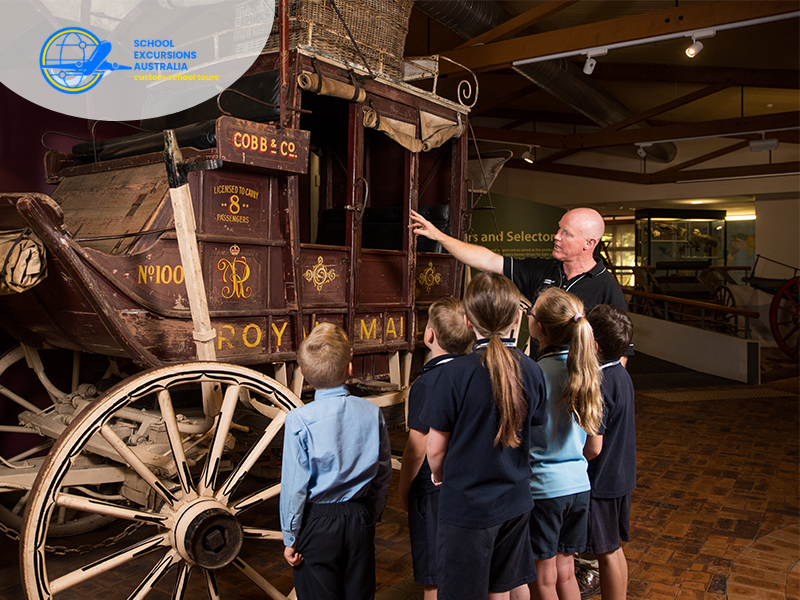
Learning takes on more significance when the learners are able to relate a topic in the class to actual situations. Students of geography might investigate beach erosion whereas those of history might consider museum artifacts as evidence of the lifestyle of the people.
The outdoor learning guide for the Australian Curriculum recognizes the importance of outdoor experiences planned outside the classroom for learning geography, science, humanities, health and physical education, and design.
An ideal field trip will encourage the learners to take note of details and to question and verify their assumptions. This may benefit the learners whose response to practical activities is better than to writing and lectures.
How Excursions Support Different Learning Areas
Science and Technology
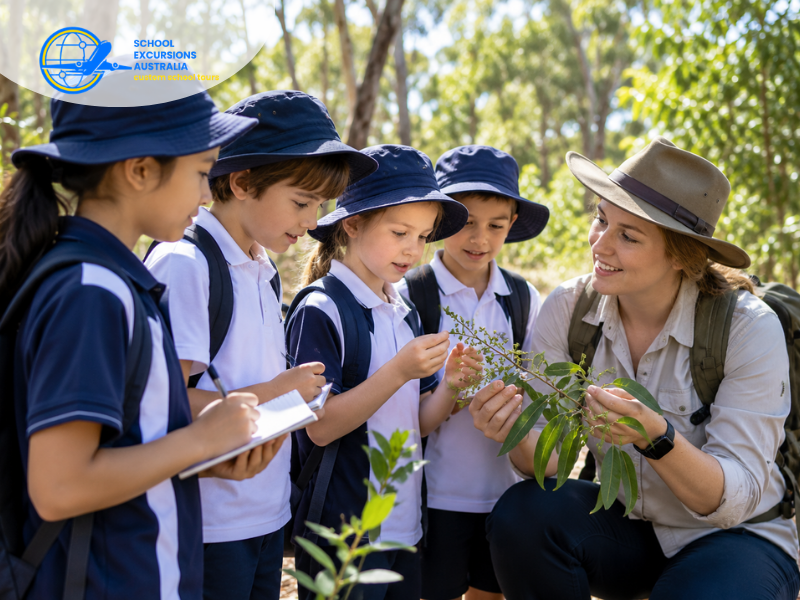
Science centers, wildlife parks and environments provide a practical perspective of scientific concepts. Students can observe animal adaptations, study ecosystems, test forces, or learn how technology has solved actual problems.
The Australian Government suggests a link between excursions related to STEM excursions and classroom-based learning. It helps students to comprehend the significance of an activity instead of considering it a standalone event.
History and Civics
Students are also able to access history through the means of museums, monuments, historic structures, and government agencies. Exhibits, documents, and objects can enable them to compare various viewpoints and reflect upon how certain historical events have impacted certain societies.
Additionally, civic visits will allow students to understand how laws, elections, and civic organizations function. It will give real-life context to abstract concepts that could seem too theoretical in a textbook.
Geography and Environmental Studies
The natural environment is ideal for the study of landforms, climate, vegetation, hydrology and human interaction. Field sketches can be made or records of environmental features taken.
This kind of fieldwork gives students an insight into the techniques used by geographers in the collection and interpretation of evidence. It also promotes good behaviour within the natural environment.
Art, Culture and Media
Galleries, theatres and cultural institutions allow students to examine how people communicate identity, values and experiences. They might analyze pieces of art, performances, films, and designs for exhibitions.
Such trips not only help develop visual literacy but also expose students to views other than their own.
Skills Students Develop Outside the Classroom
A school excursion supports more than subject knowledge. Travelling and learning as a group requires students to manage their time, belongings and responsibilities in a less familiar environment.
Group tasks can strengthen communication because students must share observations, listen to others and explain their reasoning. Some may also speak with guides, museum educators, scientists or community professionals.
New surroundings can build confidence. Students who rarely visit universities, museums or national parks may begin to see these places as accessible rather than unfamiliar.
What Makes an Excursion Educationally Effective?
The worth of such visits can be determined by their preparation, implementation, and outcome. A choice of a popular visiting spot will not necessarily lead to an educational visit.
Preparation Before the Visit
Teachers should begin with one clear learning outcome. The destination and activities should then be selected according to that outcome.
Preparation may involve introducing essential vocabulary, reviewing background information and explaining what students should observe. Students also need to understand behaviour, safety and group expectations before leaving school.
A focused inquiry question can guide the entire experience. Questions such as “How has this environment changed?” or “What can this object tell us about the past?” give students a clear reason to collect information.
Active Learning During the Visit
During the school excursion, activities should encourage observation and interpretation instead of copying large amounts of text from signs or display labels.
Students might compare two objects, prepare a field sketch, record measurements or ask an educator prepared questions. A small number of focused tasks usually produces better engagement than a long worksheet.
Teachers should also allow time for students to notice unexpected details. Overloading the itinerary can turn the visit into a rushed movement between activities.
Follow-Up Learning
The experience should continue after students return to school. Follow-up tasks help them organise observations and connect new information with the curriculum.
Students could write a field report, analyse collected data, create a presentation or answer the original inquiry question. A creative response, model or environmental recommendation may also be appropriate.
Completing this work soon after the visit helps students retain important details and gives teachers evidence of learning.
Selecting the Right Destination
The most successful school trips in Australia are chosen based on their significance to the curriculum as well as the requirements of the group. While entertainment can play an important role in engagement, it should never be the sole consideration.
Before confirming a location, teachers should take into account:
- Curriculum relevance and suitable year levels
- Opportunities for active student participation
- Accessibility and additional learning needs
- Transport time, facilities and group capacity
- Supervision and risk-management requirements
- Available pre-visit and post-visit resources
A self-guided experience may offer flexibility, but it requires teachers to prepare their own activities and timing. An educator-led program may provide specialist knowledge and structured discussion.
School trips for long periods of time in Australia need careful consideration regarding many issues, including accommodation, catering, travel exhaustion, monitoring during the night, and communications with parents.
Safety and Risk Management
In order to approve the school trip, the school needs to consider the venue, means of transport, the proposed activities and the needs of the children taking part in the tour.
Planning commonly covers:
- Approval and parent or carer consent
- A documented risk assessment
- Suitable staff-to-student supervision
- Medical, dietary and accessibility information
- Transport and emergency procedures
- Weather, clothing and equipment requirements
The Victorian Department of Education requires schools to identify risks specific to the student group, staff, location and activities. Its current excursion risk-management guidance explains the planning responsibilities for Victorian government schools.
A venue’s procedures do not replace the school’s responsibilities. Both should be reviewed, and staff should understand what to do when conditions or circumstances change.
The Role of Parents and Carers
Families help students arrive prepared and ready to participate. Consent information should be read carefully, and medical details must be accurate and current.
Parents and carers should also confirm emergency contact information and prepare the required clothing, food, water and medication. Any concern about accessibility, health or participation should be discussed with the school early.
For student travel in Australia involving overnight or interstate stays, preparation may also include managing medication, personal belongings, communication arrangements and time away from home.
Making Educational Visits Inclusive
Students should have a fair opportunity to participate wherever reasonable adjustments can be provided. Inclusion ought to be thought about from the very beginning rather than shortly before the trip.
Sometimes schools will have to consider whether the place is accessible physically, whether there are any sensory considerations or communication considerations, whether there are any medical considerations or even the need for additional supervision.
Financial barriers may also affect participation. Schools should consider available support and communicate discreetly with families where assistance may be possible.
Day Visits and Extended Tours
Day visits are suitable when the destination is within practical travelling distance. They usually cause less disruption and allow the program to focus on one topic or location.
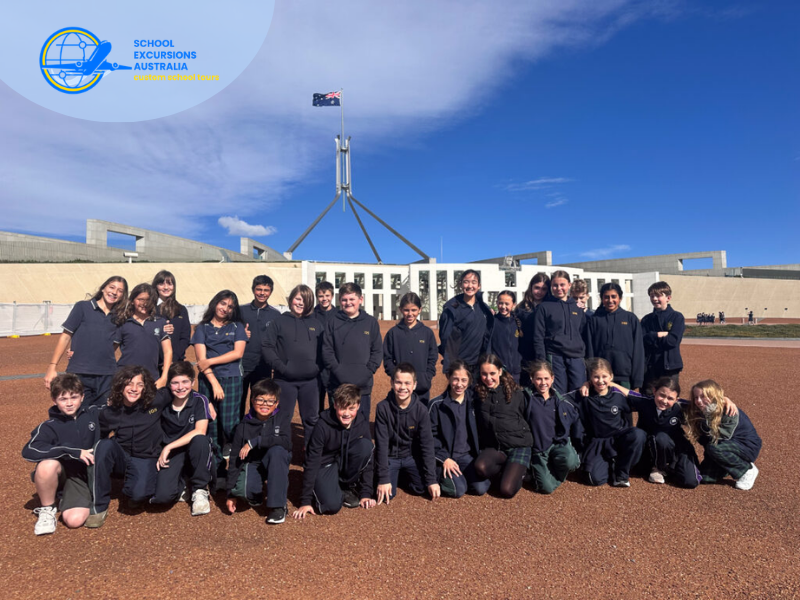
Extended educational tours in Australia can combine several curriculum experiences. For instance, a tour to Canberra might comprise all the government buildings, monuments and museums in one tour package.
Whereas the planning becomes more extensive in case of long tours, the learning process could be made much more meaningful, provided that there is an educational aim to the itinerary.
Helping Students Gain More From the Experience
It is possible to achieve more when students understand what they are studying and have a purpose during the visit. Teachers can give small group tasks like the following: observer, recorder, photographer, or questioner.
It is better to do short tasks, discuss them regularly, and reflect on them than to fill up one worksheet after another. It is important to be well-structured without limiting natural reaction to the environment.
Learning Outside the Classroom Walls
A carefully planned school excursion connects students with places, people and ideas that cannot always be represented fully inside a classroom. It can strengthen subject knowledge while building curiosity, confidence and practical skills.
Teachers and parents can begin by identifying the learning outcome, reviewing suitable destinations and checking the relevant safety requirements. The next step is to explore learning experiences for schools across Australia and select an option suited to the students’ curriculum, age and needs.
FAQs
Planning should begin early enough to confirm availability, transport, consent, supervision and risk-management requirements. Popular venues and peak school-term dates may require earlier bookings.
Families should receive the date, destination, learning purpose, transport details, costs, required clothing, meal arrangements, supervision information and emergency contact procedures.
Schools should make reasonable adjustments wherever possible. Teachers should discuss mobility, sensory, communication, medical or supervision needs with families and the venue before booking.
Requirements depend on the activity, but students commonly need suitable clothing, closed footwear, food, water, medication and any approved learning materials.
Teachers can use field reports, presentations, reflections, data analysis, or creative responses. The assessment should connect directly with the excursion’s original learning objective.
