Planning an excursion requires selecting an appropriate location that will ensure educational benefit to the students while also being engaging for them throughout the journey. For many years now, the Gold Coast has been one of the destinations favored by the majority of schools in Australia. This is mainly attributed to the educational content that it provides, together with its diverse range of experiences.
However, do you want Gold Coast for your students?
Find out here why teachers need to think about some considerations before planning Gold Coast school excursions.
Why the Gold Coast Is More Than a Vacation Spot
For the majority of people, the Gold Coast is a place to go on holiday, surf, and enjoy themselves. Although that is the case, the Gold Coast is not attractive due to places like those, but it can also serve as an ideal learning environment.
Because of its special environment, including ecosystems, conservation, educational institutes, museums, Aboriginal culture, marine environment, industry experience, and others, the Gold Coast offers numerous possibilities for students to combine classroom education with practice.
Students of various subjects, including biology, geography, environmental sciences, business, tourism, marine studies, and others, have opportunities to observe, participate, and think here.
That is why schools organize tours to the Gold Coast, and it has much to do with the educational benefit they provide.
Learning Opportunities in Various Disciplines
One of the most prominent features of the Gold Coast is its capacity for learning opportunities in many areas of the curriculum.
Environment and Sustainable Learning
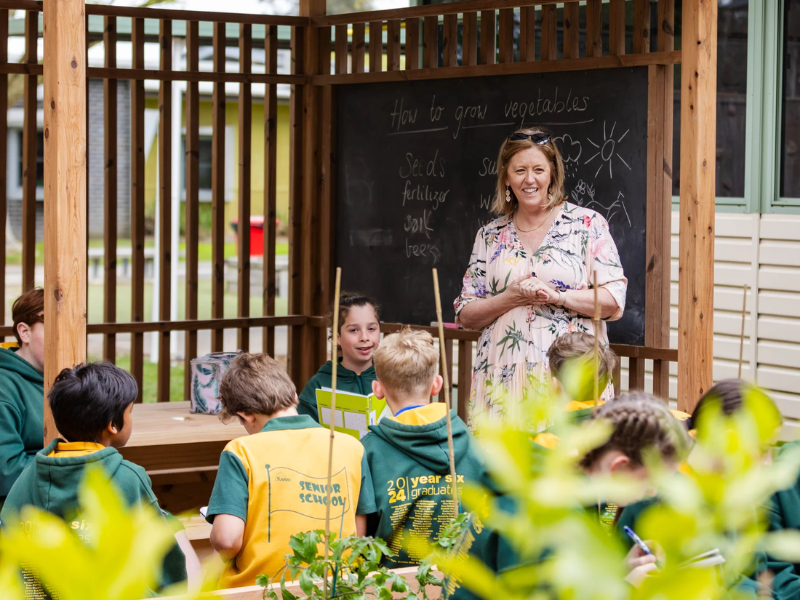
The area offers rainforests, wetlands, coastal areas, and national parks where children can explore the topics of biodiversity, sustainability, climate systems, and conservation directly.
Some guided programs include:
- Wildlife habitat exploration
- Native flora identification
- Coastal ecosystem studies
- Conservation projects
- Sustainability workshops
Students gain practical knowledge while developing a stronger appreciation for Outdoor and Environmental Education Centres.
Science and Marine Learning
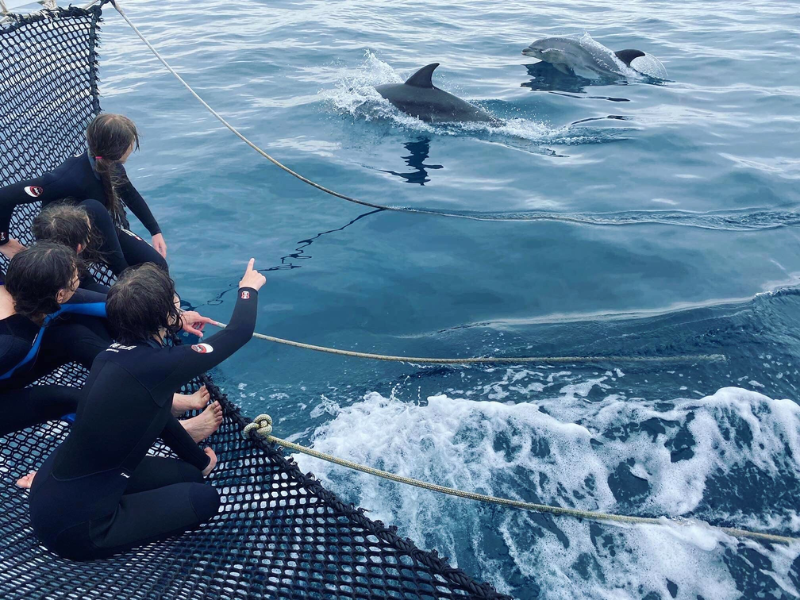
Marine environments provide ideal opportunities for science-based learning.
Students can observe:
- Marine ecosystems
- Ocean conservation initiatives
- Coastal erosion
- Animal behaviour
- Climate impacts on marine habitats
Hands-on experiences and Outdoor learning in the Australian Curriculum encourage curiosity and reinforce scientific concepts that may otherwise remain theoretical in classroom settings.
History and Cultural Learning
Educational programs across the Gold Coast introduce students to Australia’s Indigenous heritage, early settlement history, and regional development.
Interactive cultural experiences often help students understand:
- Aboriginal traditions
- Local history
- Cultural conservation
- Development of the community
- Storytelling about history
These help foster respect, inclusiveness, and cultural awareness in conjunction with history and humanities classes.
Learning Outside the Classroom Creates Better Engagement
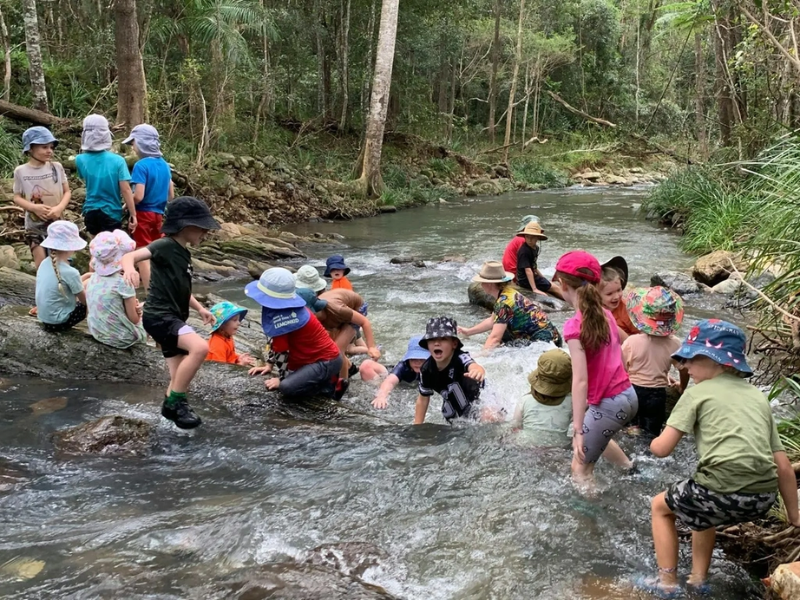
Experience-based learning is an established technique for promoting student engagement, boosting confidence levels, and facilitating effective learning.
Students actively participate in their surroundings through activities that involve questioning, observing, problem-solving, and group learning.
This active involvement often helps students:
- Improve communication skills
- Develop teamwork
- Strengthen critical thinking
- Build independence
- Increase motivation toward learning
For many students, these experiences become some of the most memorable moments of their education because learning feels meaningful and relevant.
Excursions That Suit Different Year Levels
Another advantage is that there is variety in the programs offered according to the age group.
Primary school students usually derive much gain from interactive programs relating to animals and the environment, as well as general science programs that allow for exploration.
Secondary school students may take part in special programs like:
- Environmental research
- Marine science investigations
- STEM workshops
- Business and tourism studies
- Leadership programs
- Career-focused educational visits
This flexibility allows schools to select programs that match both curriculum requirements and student maturity levels.
Balancing Education With Student Enjoyment
One concern many teachers share is maintaining student engagement throughout an excursion.
Luckily enough, the educational experience provided by the Gold Coast School Tours is one that successfully blends learning and entertainment. The learners stay inspired since the programs are not passive but interactive.
Examples of the activities conducted on the educational tours are:
- Field trips
- Interactive displays
- Wildlife experience
- Team building exercises
- Outdoor investigations
- Workshops
By striking this balance, the tours ensure that students stay concentrated despite the fun of discovery.
The best educational tours of the Gold Coast recognize the importance of keeping the learners engaged for them to gain knowledge and participate actively in the tour.
Practical Considerations for Teachers
Even as educational outcomes remain important, planning is incomplete without logistics.
There are a number of issues to keep in mind when planning an excursion.
Curriculum Alignment
Make sure that the planned activities help in meeting the learning goals in the classroom. It is worth noting that some educational providers provide curriculum-aligned activities, making it easy to plan.
Student Safety
Consider issues of risk assessment, supervision, emergencies, accommodation, and transportation requirements.
Group Size
The size of the group to attend varies depending on the venue. This helps in the scheduling of activities and ensures all students get a chance to be involved.
Accessibility
Consider activities and venues that meet the requirements of various students in terms of learning disabilities and movement.
Time Management
Planning of activities in such a way that there is enough time for learning, traveling, eating, and resting.
Effective planning helps teachers to concentrate on teaching students.
Opportunities for Personal Development
Educational excursions contribute to much more than academic achievement.
Students often develop valuable life skills during group travel, including:
- Responsibility
- Independence
- Adaptability
- Leadership
- Communication
- Decision-making
- Collaboration
Most students become more confident through experiences in new surroundings, group discussions, and activity completion away from the conventional classroom environment.
This personal development will be with students for a very long time after the excursions have taken place.
Supporting Different Learning Styles
Not all students necessarily learn through reading books and classroom lectures.
Some students learn best through visual teaching, experience, discussion, or exploration.
The Gold Coast offers the chance for:
- Learning visually
- Learning kinesthetically
- Learning collaboratively
- Learning through inquiry
- Experience-based learning
This range ensures that more students can relate to the educational material in ways best suited to them.
Budget Considerations for Schools
The cost is one of the key things that is taken into account when planning a school trip.
Luckily, there are many companies that provide different packages just for schools.
They can include:
- Group pricing
- Curriculum-based activities
- Accommodation packages
- Transport coordination
- Multi-day itineraries
- Meal options
Planning gives a school much more flexibility, better availability, and chances to deal with costs as well.
An excursion is not just a waste of money for the educators but a valuable investment.
Why Organised Student Tours Simplify Planning
Organizing a trip on their own for several days would entail organizing transport, accommodation, activities, food, supervision, and risk management.
Collaborating with reputable organizations that provide Gold Coast student tours can save them a lot of this work.
Professional organisers often assist with:
- Custom itineraries
- Curriculum integration
- Accommodation bookings
- Transport logistics
- Educational activities
- Risk management documentation
- Teacher support
This way, teachers can concentrate on helping students without having to worry about all the logistics.
Choosing the Right Educational Program
Every excursion does not have equal educational significance.
Teachers should look into the following when choosing potential programs:
- Clear curriculum links
- Qualified guides and educators
- Student engagement opportunities
- Interactive learning experiences
- Well-planned itineraries
- Strong safety procedures
- Positive school feedback
- Flexible scheduling options
The most successful programs create meaningful learning experiences while remaining organised, safe, and enjoyable for both students and teachers.
Is the Gold Coast the Right Choice for Your School?
Each school has its own educational objectives, budget, and requirements. But one thing about the Gold Coast that always makes it stand apart is the unique blend of academic value, practical learning, cultural exposure, environmental education, and engagement of students.
Regardless of your intentions, be it to revise the material covered in the classroom, to foster teamwork among students, to provide practical experience, or to encourage interest beyond books, some activities can assist you in achieving your educational goals.
In case you need some new ideas for school trips in australia the Gold Coast region, you can find a lot more in this venue than mere amusement.
Conclusion
A good school field trip is not just about taking the kids somewhere new; it has to expand their understanding of the world outside, spark their curiosity, and provide them with experiences that will help them learn better in class. The Gold Coast offers just this combination by offering educational facilities, natural settings, cultural experiences, and specially developed learning programs for kids of various age groups.
If you are looking for your next Gold Coast school excursion, working with a reliable provider will certainly make your task easier. Check out the professionally arranged learning programs offered by School Excursions Australia to have an exciting and educational experience.
FAQs
The Gold Coast offers a mix of learning experiences, from wildlife and marine studies to cultural, environmental, and industry-based activities.
Excursions can complement subjects such as science, geography, history, environmental studies, business, and tourism.
Yes. Many experiences can be adapted for primary and secondary students based on their age, interests, and learning goals.
A successful excursion combines meaningful learning, student engagement, good planning, and activities that connect with classroom topics.
Teachers can introduce the topic beforehand, discuss learning goals, and encourage students to observe, ask questions, and participate during the visit.
