Animal excursions allow students to have experiences that no picture can capture: animal movement, habitat connection, scale, behavior, and the effort of conservation teams. Phillip Island Wildlife Education in Victoria is an excellent example where the experience of penguins, koalas, and coastlines is tied to a curriculum-based field experience. A Phillip Island wildlife excursion gives students a hands-on opportunity to explore Australian wildlife, habitats, and conservation.
There are similar experiences available around Australia. Examples of these would be zoos, sanctuaries, and nature reserves where workshop tours, walks, research, and conservation take place. This particular resource will provide a list of such places within each state and territory. After that, it will provide ways of planning to make sure that this trip is a learning journey.
What Makes a Wildlife Excursion Educational?
Animal sightings create interest, but a strong program gives students a question to investigate. The learning might focus on adaptations, food webs, habitat change, threatened species, animal welfare or the role of people in conservation.
Effective wildlife education excursions usually provide:
- Clear links to Science, Geography, sustainability or First Nations priorities
- Activities suited to the students’ age and prior knowledge
- Educator input, fieldwork tasks or structured observation prompts
- Ethical instructions for noise, distance, photography and animal contact
- Resources for learning before and after the visit
- An assessment task that turns observations into evidence
Teachers should judge the program by its learning design, safety information and conservation practice, not by the number of animals advertised.
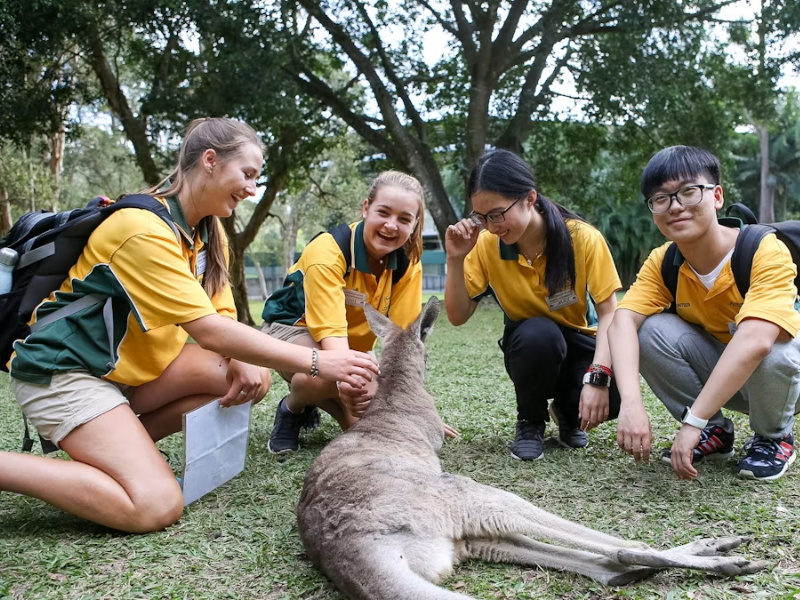
Phillip Island Wildlife Education as a Victorian Benchmark
Phillip Island Nature Parks education combines coastal habitats, wildlife conservation and active research. Schools can access guided or self-guided formats, with current resources covering attractions such as the Penguin Parade and Koala Conservation Reserve. The program’s official planning materials also provide supervision ratios, safety documents, and weather guidance.
The island works especially well for units on life cycles, adaptations, human effects on ecosystems and conservation decision-making. Evening penguin activity requires careful planning for transport, meals, and fatigue, particularly for younger students. Schools building a wider Victorian itinerary can review Phillip Island school excursions and nearby Melbourne school excursion options.
Australian Wildlife Parks and Programs by State
The following venues represent strong educational options rather than a fixed national ranking. Program names, availability and booking requirements change, so teachers should confirm details directly with each provider.
State or territory | Venue | Strong learning focus |
Victoria | Phillip Island Nature Parks | Penguins, koalas, coastal ecology and conservation research |
New South Wales | Taronga Zoo Sydney and Taronga Western Plains Zoo | Adaptations, biodiversity, sustainability and field observation |
Queensland | Currumbin Wildlife Sanctuary | Native wildlife, conservation science and cultural connections |
South Australia | Adelaide Zoo and Monarto Safari Park | Animal behaviour, biodiversity and threatened-species conservation |
Western Australia | Perth Zoo | Habitats, ecological knowledge and conservation action |
Tasmania | Bonorong and Tasmania Parks programs | Native species, rescue, habitat and natural values |
Northern Territory | Territory Wildlife Park | Top End habitats, living systems and outdoor learning |
Australian Capital Territory | Tidbinbilla and Birrigai | Threatened species, Ngunnawal Country, STEM and fieldwork |
New South Wales: Taronga Zoo and Western Plains Zoo
Taronga provides training, materials, and conservation education that are linked to the syllabus, for children from pre-school to Year 12 levels. The habitat classrooms in Sydney offer immersion learning, and the open-range facilities at Dubbo allow extensive observation of animals and their habitats.
Observations may be made on behavior, comparing the animals’ adaptations, or assessing whether the exhibits promote good welfare of the animals. Teachers must restrict the focus to one or two inquiry questions on the day; otherwise, the field trip fails.
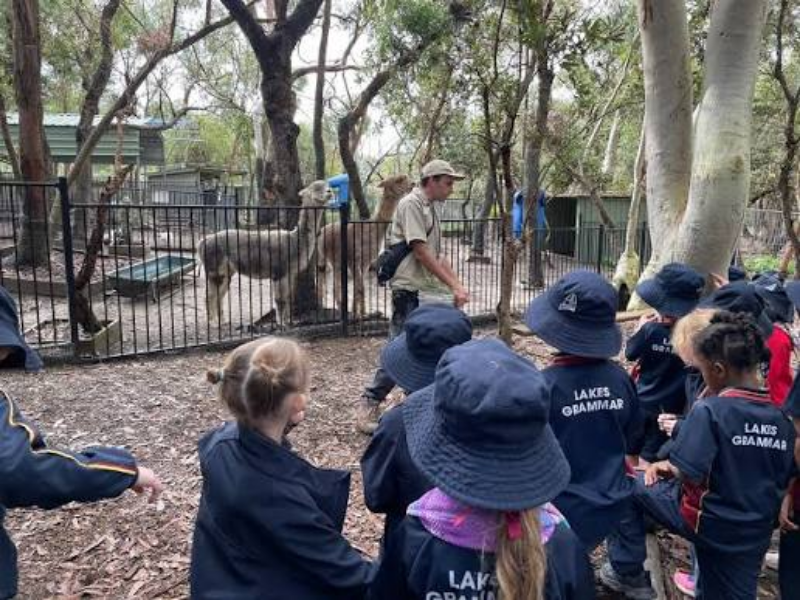
Queensland: Currumbin Wildlife Sanctuary
Educational tours at Currumbin feature both self-directed exploration as well as education programs that are optional for primary and secondary school students. Topics extend across native wildlife, environmental science, conservation and connections to Yugambeh Country.
The sanctuary suits classification, adaptations and human-impact studies. A hospital or rehabilitation context can also support discussion about injury prevention, responsible public behaviour and the limits of wildlife intervention. Teachers planning a regional itinerary can connect the visit with other Gold Coast school excursions.
South Australia: Adelaide Zoo and Monarto Safari Park
The education program offered by Zoos SA for Adelaide Zoo and Monarto Safari Park has two styles of tours: guided and self-guided. Adelaide Zoo, being a small zoo, allows for the study of classification and adaptation, while Monarto Safari Park offers the opportunity to study habitat design and breeding.
Program length, minimum group numbers and booking notice vary. Teachers should confirm these requirements early and request the learning resources before finalising worksheets.
Western Australia: Perth Zoo
Perth Zoo education serves primary and secondary students through curriculum-linked programs. Current themes include wildlife habitats, conservation action and Noongar culture and ecological knowledge.
Programs such as habitat investigations work well when students must collect evidence rather than repeat facts. A useful follow-up asks groups to assess one habitat threat and propose a realistic response for their school or local community.
Tasmania: Bonorong and Parks Education
Bonorong Wildlife Sanctuary places native animals, wildlife rescue and practical conservation at the centre of its education work. The Tasmania Parks and Wildlife Service education team adds programs on natural values, history and Aboriginal culture across protected places.
These settings support comparison between sanctuary care and habitat protection. Students can examine why individual animal treatment and ecosystem management require different skills, resources and measures of success.
Northern Territory: Territory Wildlife Park
The Northern Territory Government lists school talks and trips, including Territory Wildlife Park’s Camp Woollybutt. The environment supports learning about Top End woodlands, wetlands, monsoon forest and the species connected to them.
Day and camp formats demand detailed heat, hydration and seasonal planning. Schools should also confirm ranger availability, accommodation arrangements and cultural guidance before fixing the itinerary.
Australian Capital Territory: Tidbinbilla and Birrigai
Zoos SA education programs come in two formats for Adelaide Zoo and Monarto Safari Park: led by educators and self-guided. The small size of Adelaide Zoo facilitates research on classification and adaptation, whereas Monarto Safari Park is conducive to studying habitat design and breeding.
This combination suits multi-day student fieldwork. Observation tasks can link habitat condition with species recovery, while cultural learning should follow the language, permissions and priorities provided by Ngunnawal educators and the venue.
How to Match a Program to the Curriculum
Start With One Assessable Learning Outcome
State what students should produce after the visit. A Year 4 class might explain how two animal features support survival. A secondary Geography group might evaluate how tourism and conservation are managed within one site.
Request Current Program and Safety Documents
Ask for curriculum links, accessibility information, risk documentation, supervision expectations, session capacity and wet-weather arrangements. Confirm animal-contact rules and photography restrictions before preparing students.
Plan Learning Before, During and After the Visit
A connected sequence produces stronger results:
- Before: introduce the habitat, key vocabulary and inquiry question
- During: collect observations, sketches, counts or educator evidence
- After: analyse findings and complete a report, presentation or action plan
Keep data sheets short enough to use outdoors. Long worksheets pull attention away from real observation.
Build Inclusion and Animal Welfare Into the Plan
Check walking distance, sensory conditions, accessible routes, quiet spaces, toilets and medication procedures. Brief students to move calmly, follow staff directions and avoid tapping glass, calling to animals or leaving litter.
The school excursion packing checklist can support final preparation for clothing, water, learning materials and weather protection.
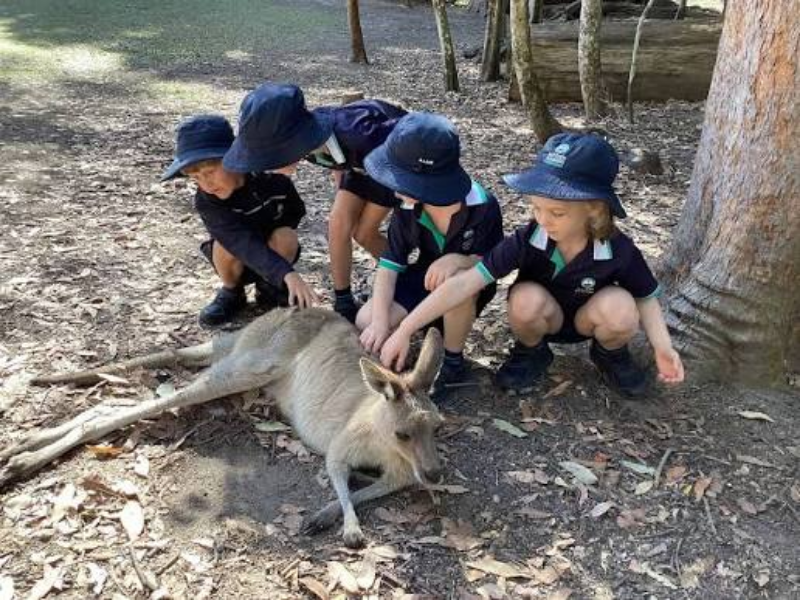
Conclusion: Plan the Learning Before the Wildlife Encounter
Australia’s wildlife parks can support memorable conservation education when the visit begins with a clear question and ends with assessed learning. Venue reputation matters less than curriculum fit, ethical practice, suitable access and strong preparation.
Start by selecting one outcome, reviewing the venue’s current education material and confirming practical requirements. The final itinerary can then be shaped around the students, season and evidence they need to collect.
Frequently Asked Questions
Programs can suit early learning through Year 12 when the activity matches students’ knowledge and curriculum. Younger groups benefit from focused observation; older students can analyse data, ethics and conservation management.
Guided sessions provide specialist knowledge and structured interaction. Self-guided visits provide timetable flexibility. The stronger format is the one that supports the learning outcome, group size and available teacher preparation.
Contact venues as soon as the preferred term and student numbers are known. Popular dates, educator-led sessions, camps and evening wildlife experiences can require substantial notice.
Essential items commonly include weather-appropriate clothing, water, enclosed footwear, a compact recording sheet and pencil. Venue rules may restrict food, bags, flash photography or electronic devices.
Use evidence collected onsite. Suitable tasks include annotated field sketches, adaptation explanations, habitat comparisons, conservation proposals, reflective journals or short presentations supported by recorded observations.
