Every teacher who’s ever planned a school excursion has asked themselves this question sometime: do we do a day trip and keep things simple, or do we go for something bigger and give our students a fuller experience? It sounds easy, but the truth is the right fit really does depend on more than just budget or how far you want to travel.
The right format for your group really comes down to who your students are, what you want them to get out of it, and how much your school community is ready to take on. Both options have genuine value, and neither is better than the other – what matters is knowing what each one truly delivers and choosing the right fit for your group, not falling back on the easier option.
What Each Option Actually Involves
Before comparing the two, it helps to know what we’re talking about when we say ‘day trip’ and ‘multi-day excursion’.
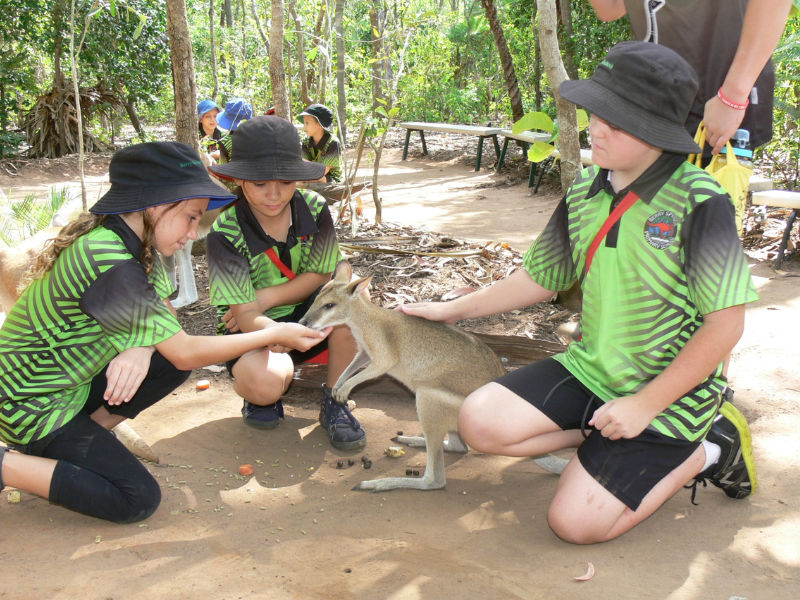
A day trip is just that – a day out. Students go on an adventure as a class, heading off to one or two locations before returning to school at the end of the day. There are no accommodations to worry about and no supervision to arrange (and therefore less paperwork to navigate) – plus there’s generally more flexibility for the teacher to choose destinations.
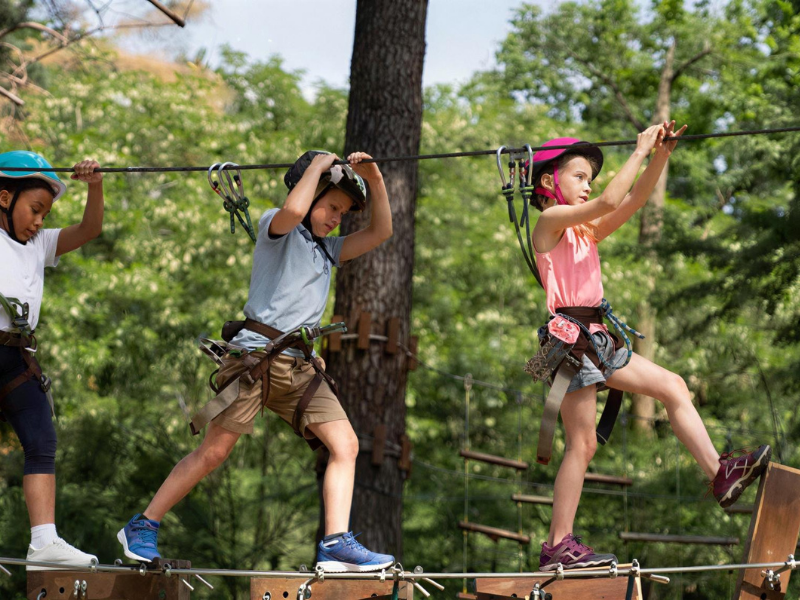
On a multi-day excursion, you’re looking at at least 1 overnight (or maybe even a few). They delve deeper into a topic, spend more time getting to know a destination or theme, and enjoy a fuller itinerary over multiple days. The planning is much more involved, but so is what students get out of it.
The Case for Day Trips
Day trips tend to get underestimated. Because they are shorter and logistically simpler, they are sometimes seen as the lesser option, but that is not a fair assessment. A well-chosen day trip can deliver strong curriculum outcomes and leave a real impression on students, especially when the destination is the right fit for what they are studying.
There are situations where a day trip is genuinely the better choice:
- Younger year levels who are not yet ready for the emotional and social demands child development and learning readiness research of an overnight experience often thrive on a well-structured day trip.
- Tight school budgets make day trips far more accessible for families, which means better participation rates across the group.
- Focused curriculum goals that can be addressed in a single visit do not need to be stretched into a multi-day format just for the sake of it.
- First-time excursion planners will find the day trip format much more manageable while still delivering a genuine learning experience.
- Schools in metro areas often have access to excellent museums, galleries, science centres, and cultural sites that can deliver outstanding outcomes without the need for travel or accommodation.
The key with day trips is to treat them as purposeful rather than convenient. The best ones have a clear curriculum connection, some pre-trip preparation built into the classroom, and a follow-up activity that helps students process what they experienced.
The Case for Multi-Day Excursions
There’s something about spending more than a day together somewhere outside our normal routine that makes learning go deeper. The group dynamic changes. People often surprise themselves with what they can do.
If a destination requires a trip (Kakadu, the Daintree, Uluru, outdoor education benefits research (National Geographic Education) or the reefs near Cairns), then we really need multiple days – I wouldn’t even want to go on a day trip to some of these places! You can’t do them justice in a couple of hours. That’s the immersion.
Multi-days allow us to have a richer programme too. We build on what we did the day before instead of trying to cram everything in at once, and the shared experiences outside structured sessions help people develop socially in ways that are difficult to replicate back in the classroom.
For schools focused on outcomes related to resilience, independence, and cultural understanding, we find that a multi-day format consistently yields more, as students have more time to truly be challenged and change during our programmes.

Key Factors That Should Drive the Decision
Here are the factors that genuinely matter most when weighing up which format suits your group:
Budget and family circumstances – multi-day excursions cost more, education affordability and access research and that affects participation. If affordability is a concern for a large percentage of your school community, a day trip will likely reach more students, and more equitably too.
Learning objectives – If the learning outcome you’re after can be meaningfully achieved in one visit, a day trip works. But if you’re aiming for depth, sustained engagement or a destination that’s simply too far for a return in one day, a multi-day format has earned its place!
Student readiness – Not every group is ready for the social and emotional demands social emotional learning (SEL) framework research of sleeping away from home. Younger students (or those who haven’t had much experience with overnight trips) might benefit from starting with a day trip first.
School capacity – Multi-day excursions take lots more planning, supervision, staffing, and administrative work. Be honest with yourself about whether you have the capacity to pull off a longer trip well versus trying to cram something together that causes undue stress for all involved.
Parental confidence – Some school communities are just more comfortable with extended trips than others. Going the extra mile to communicate clearly what the trip involves and how safety is being managed can go a long way towards building the trust needed to make these trips happen.
What Age Group Suits Each Format
While there are no strict rules, there are patterns that experienced excursion organisers tend to see consistently.
Day trips work particularly well for Foundation through to Year 4. Students in these year levels benefit enormously from real-world experiences, but the overnight component can be genuinely stressful for some children and their families. A well-planned day trip gives younger students a meaningful experience without pushing them beyond what they are developmentally ready for.
From Year 5 onwards, multi-day excursions become increasingly appropriate. By this stage, most students have the social maturity and independence to handle being away from home, and many actively look forward to it. The years 5 to 10 window is when multi-day excursions tend to have the greatest impact, both academically and personally.
A Note for Parents
If your child’s school has put forward either a day trip or a multi-day excursion, chances are it was done with your child’s year level, learning goals, and school community in mind – teachers don’t make decisions like this lightly, and the planning that goes into both types of excursion is no small feat.
For multi-day trips in particular, it’s perfectly natural to feel a mix of excitement and nerves. Chat openly with your child about what to expect, encourage them to go in with an open mind, and trust that the school has prepared carefully for their safety throughout.
Day trips are just as purposeful. If your child comes home talking about what they saw, ask them questions – those conversations extend the learning in ways that matter more than you might think.
Conclusion
Choosing between a day trip and a multi-day excursion isn’t about who has bragging rights. It’s about what will genuinely serve your students best given where they’re at, what they’re learning and what your school community can support. Both, if planned well, have the power to create life-changing experiences that last long after the kids get back to the classroom.
At School Excursions Australia, we work with schools around the country to help them figure out what works best for them – whether that’s a focused day trip close to home or an immersive multi-day adventure at one of Australia’s most breathtaking destinations. Not sure where to begin? We’d love to help you get there!
Frequently Asked Questions
Not at all! It really depends entirely on your students’ age and readiness, the learning outcomes you’re hoping to achieve, your budget, and where you go. A great, well-planned day trip can be just as effective as an overnight trip if it’s the right fit for your group.
Most schools start to introduce an overnight or multi-day experience from around Year 5, although this varies by school community and child readiness. Some schools will offer short ‘one-night' camps earlier as a way of building up for longer trips.
Clear communication is key. When parents know exactly what their child will experience, how that connects to what they’re learning at school and how safety will be managed throughout, the value becomes much easier to see. A detailed cost breakdown and early communication helps families plan ahead rather than feeling caught off guard.
Sure, for some things, yes! Particularly when you want something more immersive or cultural or when your destination takes hours (or days!) to reach, a multi-day format will be able to deliver results that even a full day can’t touch.
This is an important point and one that we consider right at the start. To the extent you can, offering payment plans, applying for excursion funding/grants, and ensuring that students unable to participate are supported with alternative learning opportunities all contribute towards being more inclusive.
