Getting students beyond the classroom can be one of the most effective ways to make learning more engaging and memorable. Whether it’s exploring local history, discovering wildlife, or experiencing science through hands-on activities, excursions allow students to connect lessons with the real world.
Fortunately, there is no shortage of excellent school excursions Brisbane schools can choose from. The city is home to museums, cultural institutions, wildlife attractions, environmental learning centres, and STEM-focused experiences that cater to students of all ages.
If you are looking for inspiration for your next school outing, here are some of the best educational destinations and experiences worth considering.
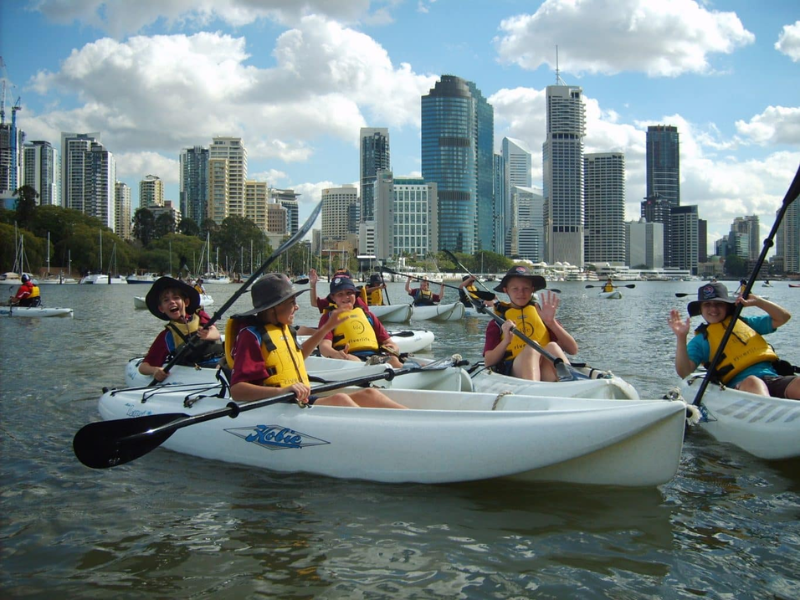
Why Excursions Continue to Be Valuable for Student Learning
Excursions provide something that classrooms cannot always replicate: direct experience. Students can observe, question, investigate, and interact with the subjects they study rather than simply reading about them.
A well-planned excursion can help students:
- Develop critical thinking skills
- Improve engagement with classroom topics
- Build confidence and independence
- Strengthen communication and teamwork
- Gain real-world context for their studies
These benefits apply across all year levels, making excursions a valuable part of both primary and secondary education.
Explore Science Beyond the Classroom
Science becomes far more engaging when students can see concepts in action. Brisbane offers several destinations that allow students to experiment, investigate, and discover through hands-on learning.
Sciencentre
Located within the Queensland Museum precinct, the Sciencentre encourages students to engage directly with scientific principles through interactive exhibits. Rather than observing from a distance, students are invited to test ideas, solve problems, and explore how science influences everyday life.
The centre is particularly useful for schools covering topics related to physics, engineering, technology, and innovation. Its hands-on approach helps make complex concepts more accessible and memorable.
Sir Thomas Brisbane Planetarium
Few subjects capture students’ imagination quite like space. The planetarium offers immersive experiences that introduce students to astronomy, planetary science, and space exploration.
For schools studying Earth and space sciences, a visit can provide valuable visual context that complements classroom learning while encouraging curiosity about the wider universe.
Discover Brisbane's Rich History and Culture
History lessons often become more meaningful when students can connect them to real places and stories. Brisbane’s cultural institutions offer opportunities to explore the city’s development, heritage, and community identity.
Museum of Brisbane
Situated within Brisbane City Hall, the Museum of Brisbane helps students understand how the city has evolved. Exhibitions explore local stories, historical events, and cultural changes that have shaped Brisbane into the city it is today.
For humanities and social science subjects, this provides a practical way to connect local history with broader themes of community, growth, and change.
Brisbane City Hall
As one of the city’s most recognisable landmarks, Brisbane City Hall offers students an opportunity to explore architecture, civic history, and local government. Guided tours often provide insights into the building’s significance and the role it continues to play within the community.
Connect Students with Nature and Wildlife
Environmental education remains an important part of modern learning, and Brisbane offers excellent opportunities for students to develop a deeper appreciation of the natural world.
Lone Pine Koala Sanctuary
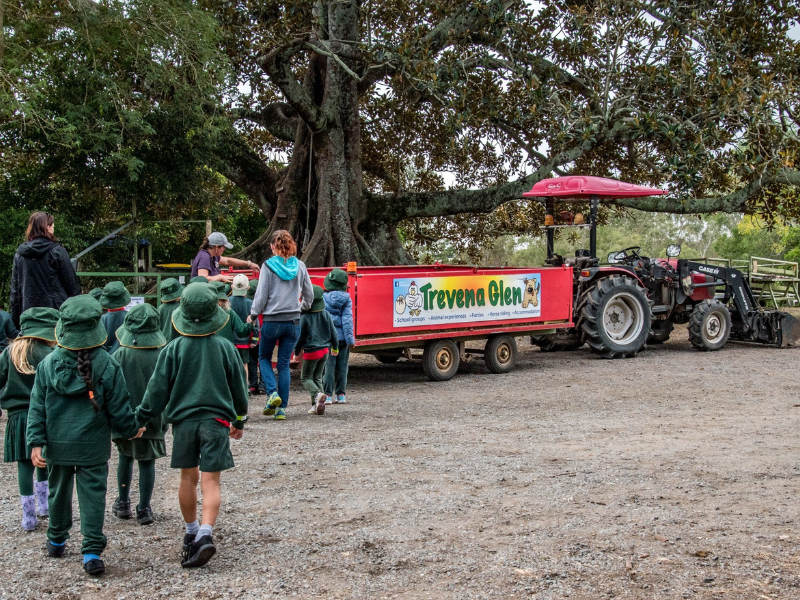
One of Brisbane’s most well-known attractions, Lone Pine gives students the opportunity to learn about native Australian wildlife in a hands-on setting. Beyond seeing iconic animals such as koalas and kangaroos, students can explore topics related to conservation, biodiversity, and habitat protection.
The experience encourages students to think about the relationship between people and the environment while supporting science-based learning outcomes.
Environmental Education Centres
Many schools are also choosing environmental learning programs that take students into natural settings. These experiences often involve fieldwork, ecosystem studies, and sustainability-focused activities that encourage observation and inquiry.
Students gain a better understanding of environmental challenges while developing practical skills such as data collection, analysis, and problem-solving.
Encourage Creativity Through Arts and Culture
Not every educational experience needs to focus on science or history. Creative learning opportunities can be equally valuable in helping students develop critical thinking, communication, and self-expression.
Queensland Art Gallery and Gallery of Modern Art
The Queensland Art Gallery and Gallery of Modern Art offer students exposure to a diverse range of artistic styles, ideas, and cultural perspectives. Visits can spark discussions about creativity, storytelling, identity, and social issues while supporting visual arts and humanities studies.
The interactive nature of many exhibitions helps students engage with art in a way that feels relevant and accessible.
Theatre and Live Performances
Live performances provide students with opportunities to experience literature, history, and storytelling in a dynamic environment. Whether attending a theatrical production or cultural performance, students often gain a deeper appreciation for themes and narratives they may already be studying in class.
Educational Experiences Beyond Traditional Attractions
While museums and galleries remain popular, many schools are looking for experiences that expose students to future pathways and real-world industries.
University Visits
University campuses can give students valuable insights into higher education and potential career opportunities. For older students, these visits often help make future study options feel more tangible and achievable.
Industry and Innovation Tours
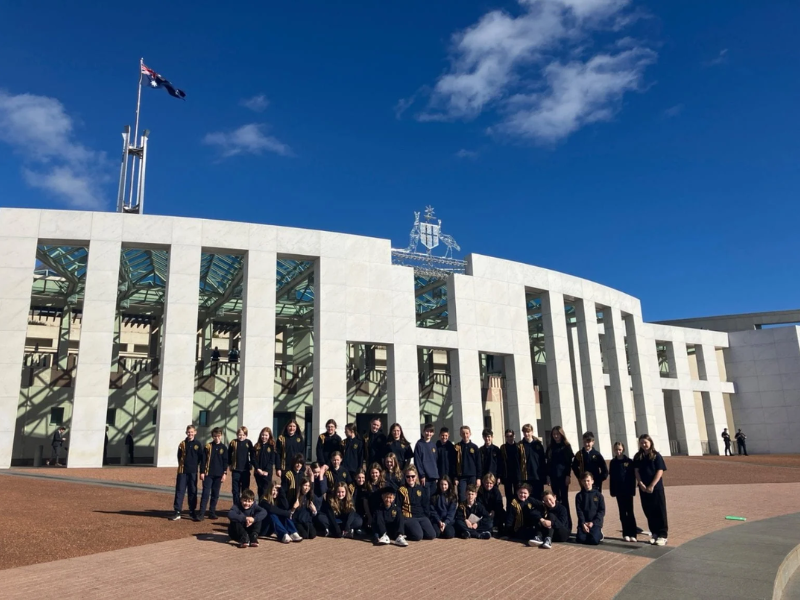
Industry-based excursions allow students to see how classroom subjects are applied in professional settings. Whether exploring technology, engineering, science, or business environments, these experiences can help students understand the practical relevance of their studies.
Choosing Excursions for Different Age Groups
Not every destination will suit every year level. The most successful excursions are those that align with students’ interests, abilities, and learning objectives.
Primary School Students
Younger learners generally benefit from interactive experiences that encourage exploration and participation. Popular options include:
- Wildlife attractions
- Science centres
- Children’s museums
- Nature-based learning programs
These experiences help build curiosity while introducing foundational concepts in engaging ways.
Secondary School Students
As students progress through their education, excursions often become more specialised. Many high school excursions Brisbane schools organise focus on deeper subject exploration, leadership development, and future career pathways.
Popular choices include:
- University visits
- Historical landmarks
- STEM-focused programs
- Environmental field studies
- Arts and cultural institutions
These experiences help students make stronger connections between classroom learning and future opportunities.
Planning Successful Educational Tours
The most effective educational tours Brisbane schools undertake are carefully aligned with learning outcomes and student needs. Before making a booking, it’s worth considering several key factors.
Think about:
- Curriculum relevance
- Travel requirements
- Student engagement opportunities
- Accessibility considerations
- Safety and supervision needs
A little preparation before the excursion and reflection afterwards can significantly increase the educational value of the experience.
Finding the Right Excursion for Your Students
There is no single answer when it comes to selecting the best school trip ideas Brisbane schools can choose from. The ideal excursion depends on the age of the students, learning objectives, available budget, and desired outcomes.
What Brisbane does offer is variety. From science and history to wildlife, arts, and environmental education, there are countless opportunities to enrich learning beyond the classroom. Similarly, Brisbane school trips can be tailored to suit almost any curriculum area while providing students with memorable, engaging experiences.
Conclusion
Brisbane is home to an outstanding range of educational attractions that make learning more interactive, engaging, and meaningful. Whether students are exploring scientific discoveries, learning about local history, connecting with wildlife, or discovering new creative perspectives, excursions provide experiences that can deepen understanding and inspire curiosity.
By choosing destinations that support both educational goals and student interests, schools can create rewarding learning opportunities that extend far beyond the classroom. If you’re planning your next excursion, exploring the available options can be a great first step toward creating a memorable educational experience for your students.
FAQs
Popular options include the Queensland Museum, Lone Pine Koala Sanctuary, QAGOMA, Brisbane City Hall, and the Sir Thomas Brisbane Planetarium. Each offers unique learning opportunities across science, history, culture, and environmental studies.
Yes. Many attractions offer age-specific programs, making them suitable for primary, middle, and secondary school students.
A good excursion combines student engagement with clear learning outcomes. The best experiences support classroom topics while giving students opportunities to learn through observation and participation.
Planning several weeks or months is recommended, especially for larger groups or popular venues that may have limited availability.
Absolutely. Many Brisbane attractions offer educational programs designed to complement subjects such as science, history, geography, environmental studies, and the arts
