Science isn’t just about memorising formulas or reading diagrams in a textbook, it’s about asking questions, exploring ideas, and understanding how the world works. That’s exactly what makes science excursions Melbourne schools organise so valuable. By stepping outside the classroom, students can observe scientific concepts in real life, participate in hands-on activities, and develop the curiosity that drives meaningful learning. From interactive STEM centres to outdoor environmental programs, Melbourne offers a wide range of educational experiences that encourage students to think critically while supporting curriculum outcomes.
In this guide, we’ll explore why science excursions matter, what Melbourne has to offer, and how schools can plan engaging learning experiences that students will remember long after the day is over.
Why Students Learn More Through Science Excursions
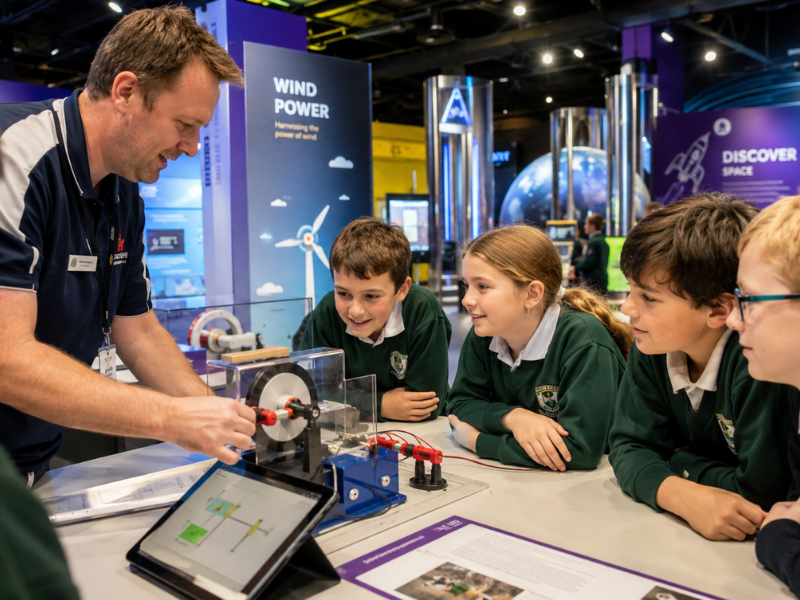
While textbooks provide the foundation for scientific knowledge, they can’t fully replicate the excitement of discovering how science works in everyday life. Excursions allow students to move beyond theory and become active participants in their own learning.
Imagine a lesson on ecosystems. Reading about food chains in a classroom is valuable, but observing native plants, insects, birds, and waterways in a natural environment helps students understand how those ecosystems function as interconnected systems. Similarly, a STEM workshop where students design, build, and test solutions encourages them to apply scientific thinking rather than simply memorising information.
These real-world experiences encourage students to:
- Ask thoughtful questions.
- Observe scientific concepts in action.
- Solve problems collaboratively.
- Apply classroom knowledge to practical situations.
- Develop confidence through hands-on learning.
More importantly, science excursions help students realise that science isn’t limited to laboratories, it’s part of the environment they interact with every day.
What Makes Melbourne an Outstanding Destination for Science Excursions?
One of the reasons school excursions Melbourne educators value is the city’s incredible diversity of learning environments. Unlike destinations that focus on a single area of science, Melbourne offers opportunities to explore multiple STEM disciplines within one region.
Students can experience interactive science exhibits one day and investigate coastal ecosystems or bushland habitats the next. This variety enables schools to align excursions with different curriculum topics while keeping learning fresh and engaging throughout the year.
Melbourne also stands out because of its strong focus on innovation, sustainability, and environmental education. From world-class museums and research facilities to botanical gardens, wetlands, and wildlife habitats, the city provides students with authentic opportunities to see science in action.
Some of the science learning experiences available across Melbourne include:
- Interactive STEM and technology workshops.
- Wildlife and biodiversity programs.
- Environmental and sustainability education.
- Astronomy and space science experiences.
- Marine and coastal ecosystem investigations.
- Engineering and innovation activities.
This combination of urban learning spaces and natural environments makes Melbourne one of Australia’s most versatile destinations for science education.
Science Excursions That Spark Curiosity
The best educational experiences encourage students to ask, “Why?” and “How?” Melbourne offers a diverse selection of science-based excursions that promote inquiry and exploration across multiple STEM fields.
Interactive STEM Experiences
Interactive science centres and technology workshops allow students to experiment, build, and discover through hands-on learning. Rather than watching demonstrations, they become active participants, testing ideas and solving challenges independently.
Activities often include:
- Engineering design challenges.
- Robotics and coding workshops.
- Interactive physics demonstrations.
- Technology-based problem-solving tasks.
- Renewable energy investigations.
These experiences introduce students to innovation while helping them understand how scientific principles influence everyday life.
Environmental and Sustainability Programs
Environmental education becomes far more meaningful when students explore natural settings rather than simply reading about them. Many Melbourne outdoor learning activities encourage students to investigate ecosystems, biodiversity, conservation, and sustainability through direct observation.
Students may examine local habitats, monitor water quality, identify native plant species, or learn about environmental management practices. These real-world experiences help them understand the importance of protecting Australia’s unique ecosystems while developing stronger scientific inquiry skills.
Outdoor learning also encourages curiosity, as students naturally begin asking questions about the relationships between plants, animals, climate, and human impact.

Wildlife and Biology Excursions
Biology comes to life when students can observe living organisms in their natural or managed environments. Wildlife-focused excursions give learners the opportunity to study animal behaviour, ecosystems, adaptations, and biodiversity in ways that textbooks simply cannot replicate.
During these experiences, students often explore topics such as:
- Food chains and ecosystems.
- Native Australian wildlife.
- Animal adaptations.
- Plant diversity.
- Habitat conservation.
Observing these concepts firsthand allows students to build meaningful connections between classroom lessons and the natural world.
Engineering and Innovation Activities
Science education also prepares students for the future. Engineering-focused excursions introduce learners to problem-solving, design thinking, and technological innovation through engaging practical activities.
Students may work together to design structures, explore renewable energy solutions, or investigate how engineering influences transport, construction, and communication. These activities not only strengthen STEM knowledge but also encourage creativity and collaboration.
For many students, these experiences provide their first glimpse into careers that rely on scientific and engineering skills.
How Science Excursions Support the Australian Curriculum
Educational excursions are most effective when they reinforce classroom learning rather than simply providing entertainment. Quality excursions for schools Melbourne are designed with curriculum outcomes in mind, ensuring every activity has a clear educational purpose.
Science excursions support the Australian Curriculum by helping students strengthen both their scientific knowledge and inquiry skills. Rather than memorising information for assessments, students learn how to investigate questions, collect evidence, interpret findings, and communicate their conclusions.
They also contribute to the development of broader capabilities, including:
- Critical thinking and problem-solving.
- Collaboration and teamwork.
- Communication skills.
- Ethical understanding.
- Personal and social capability.
These transferable skills benefit students across all learning areas, making science excursions valuable beyond the science classroom itself.
Tips for Planning Successful Science Excursions
A successful science excursion starts long before students board the bus. Careful planning ensures the experience is not only enjoyable but also delivers meaningful educational outcomes. By selecting the right program and preparing students in advance, teachers can maximise the value of every excursion.
When comparing science excursions Melbourne schools should look beyond the destination itself. The most effective programs encourage participation, align with classroom learning, and provide opportunities for students to investigate, question, and reflect.
Here are a few factors worth considering when planning your next excursion:
- Curriculum alignment: Choose experiences that support current science units and year-level outcomes.
- Hands-on participation: Look for activities that encourage students to experiment, observe, and solve problems.
- Qualified facilitators: Experienced educators can help connect real-world experiences with classroom concepts.
- Age-appropriate learning: Ensure activities match students’ abilities and encourage active engagement.
- Safety and accessibility: Consider supervision, facilities, travel time, and student needs to create a smooth experience for everyone.
Taking the time to evaluate these aspects helps schools choose excursions that are both educational and memorable.
Why Melbourne Continues to Inspire Young Scientists
One of Melbourne’s greatest strengths is its ability to offer science learning across a wide range of environments. Students aren’t limited to a single type of educational experience; they can explore technology, wildlife, environmental science, engineering, and sustainability throughout the year.
For example, one excursion might introduce students to interactive STEM activities that encourage innovation and problem-solving, while another could focus on exploring wetlands, coastal habitats, or native bushland to better understand biodiversity and ecological systems.
This diversity allows schools to plan Melbourne school trips that complement different curriculum topics across multiple year levels. It also helps students recognise that science is present everywhere from natural landscapes and wildlife to the technologies they use every day.
As students experience different scientific disciplines in authentic settings, they begin to see science not as an isolated subject but as a way of understanding and improving the world around them.
Why Schools Choose School Excursions Australia
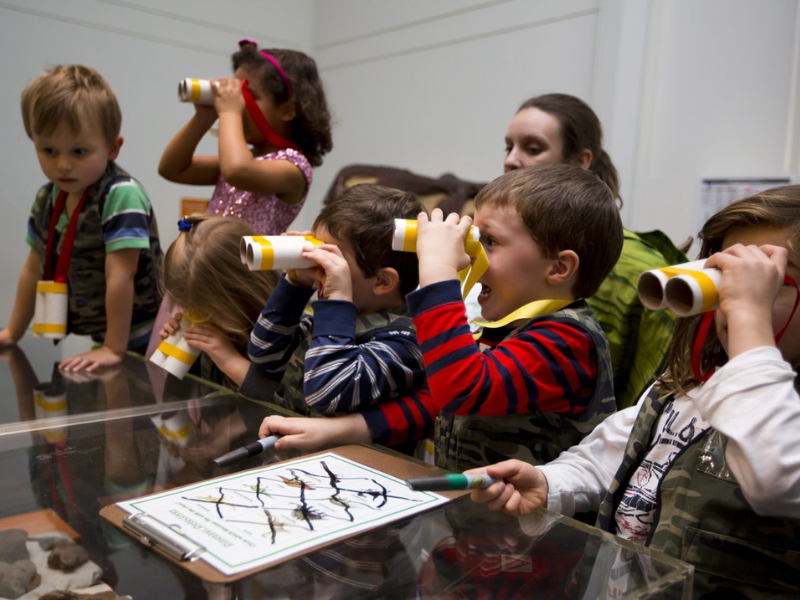
Planning educational excursions involves more than choosing a destination. Teachers need experiences that are engaging, curriculum-aligned, well organised, and suitable for different age groups. This is where School Excursions Australia helps simplify the process.
Offering a wide variety of school excursions Melbourne educators can rely on, the platform connects schools with carefully selected programs that combine educational value with engaging experiences. Whether students are interested in environmental science, STEM innovation, wildlife education, or outdoor investigations, schools can find excursions that support their learning objectives.
Some of the benefits include:
- A diverse range of curriculum-aligned science programs.
- Excursions suitable for different year levels.
- Opportunities for hands-on and inquiry-based learning.
- Access to Melbourne’s leading educational and outdoor destinations.
- Simple planning options that save teachers valuable time.
By making it easier to discover quality educational experiences, School Excursions Australia supports teachers in creating excursions that inspire curiosity while reinforcing classroom learning.
Conclusion
The best science lessons are often the ones students experience rather than simply read about. When learners have the opportunity to investigate ecosystems, participate in STEM challenges, observe wildlife, or explore environmental processes firsthand, science becomes more meaningful and memorable.
That’s why science excursions Melbourne schools continue to play such an important role in education. With access to world-class science attractions, diverse natural environments, and engaging outdoor learning opportunities, Melbourne provides an ideal setting for students to develop curiosity, strengthen critical thinking, and build practical scientific skills.
Whether you’re introducing younger students to the wonders of nature or giving older learners the chance to explore advanced STEM concepts, thoughtfully planned excursions for schools Melbourne can transform classroom learning into experiences that leave a lasting impact.
