A good trip will give the people on it memories that will last a lifetime for the right reasons. People will need the ability to take part in what is going on, and teachers will need assurance that all reasonable risks have been considered prior to leaving the school premises.
In order to plan a school excursions in Australia, there are certain things that need to be taken into account. A useful risk assessment is not paperwork completed simply for approval. It is a practical plan that helps staff prevent incidents, respond to changing conditions and protect everyone involved.
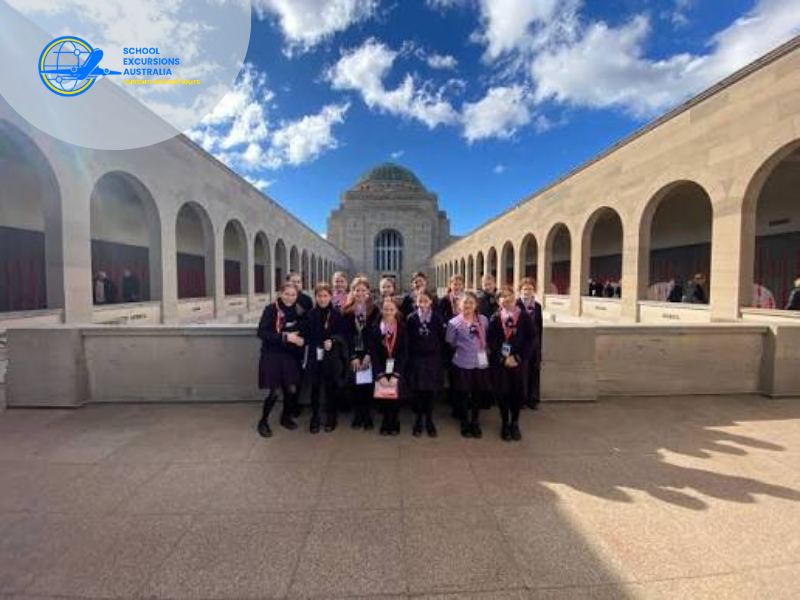
Why Every School Excursion Needs a Risk Assessment
There is always risk in any journey undertaken; this risk can be minimal when going to a location that looks familiar. There can be road crossing risks when walking to the neighborhood library, and the overnight program can present many risks too.
Risk cannot always be removed completely. The purpose of assessment is to identify what could reasonably go wrong, determine how serious the outcome may be and put suitable controls in place.
A strong assessment also helps staff make decisions during the trip. When responsibilities and response procedures are documented in advance, the group is less dependent on rushed decisions during an incident.
School Excursions in Australia Risk Assessment Requirements
Excursion requirements differ between states, territories, school systems and activity types. The school has to comply with the policies relevant to their specific jurisdiction rather than going by some general template found online.
According to the Victorian Department of Education, “All schools must undertake a risk assessment for all excursions, including local excursions, and implement procedures to minimize reasonably foreseeable risks.. Its risk-management guidance also explains that the type of visit determines which assessment process or template is required.
Similarly, the NSW Department of Education excursion procedure requires schools to plan and manage risks while considering supervision and participation needs. Queensland schools may also need to use the relevant Curriculum Activity Risk Assessment process for particular activities.
These sources provide useful guidance, but organisers should always check their school’s current policy and approval process.
Start With the Complete Excursion Plan
A risk assessment cannot be accurate when the itinerary is incomplete. Before identifying hazards, document the entire journey from departure to return.
The plan should show:
- Transport methods and travel routes
- Arrival, departure and meeting points
- Activities and their expected duration
- Meal, toilet and rest arrangements
- Movement between different locations
- Staff, volunteers and external instructors
- Alternative arrangements for changed conditions
Small transitions deserve attention. There are other hazards that may be faced by students who are on their way to boarding the bus or crossing a street or while moving from one gallery to another.
In the case of extended visits to Australian schools, the safety plan needs to include the following aspects as well.
Identify Hazards Specific to the Trip
A hazard is anything that can cause harm. Avoid filling an assessment with generic statements that could apply to every journey. The hazards should reflect the actual destination, group and itinerary.
Transport and Movement
Transport risks may occur while students are boarding, travelling, crossing roads or walking between locations. The assessment should consider traffic conditions, seatbelts, accessibility, headcounts, pickup points and safe movement around vehicles.
For walking routes, staff may need to review crossings, footpaths, construction work and areas where the group could become separated.
Venue and Activity Hazards
Ask the venue for its safety information, but do not simply attach the document and assume the school’s responsibilities have been covered. Venue information should be considered alongside the group’s age, experience and needs.
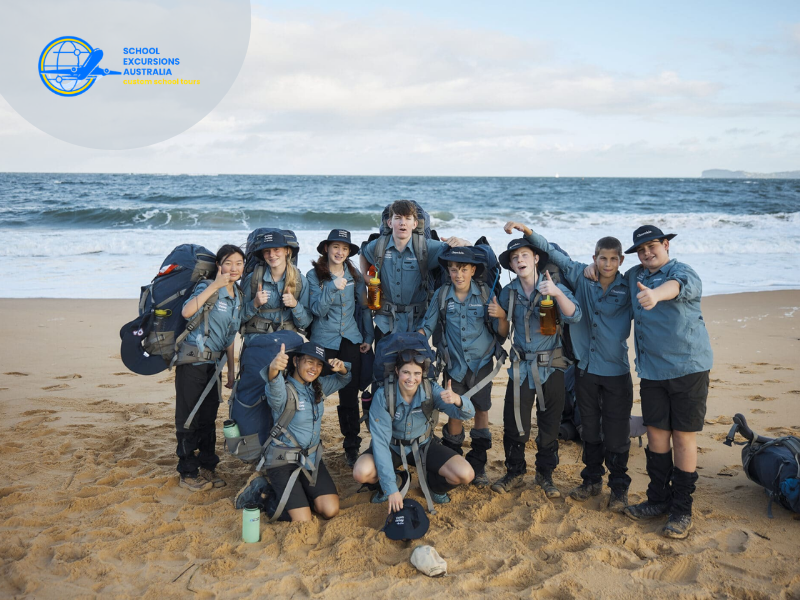
A museum may present crowd and movement risks, while a coastal field trip may involve uneven ground, tides, heat and water. Adventure activities may require qualified instructors, specialist equipment and different supervision arrangements.
Health and Student Needs
The assessment should reflect the students who are actually attending. Relevant factors may include allergies, asthma, diabetes, epilepsy, mobility requirements, sensory sensitivities and behavioural support needs.
Medication arrangements must be clear. Staff should know who carries it, who is authorised to administer it and what action is required during an emergency.
Weather and Environmental Conditions
Weather may impact the degree of risk involved in travel, outdoor activities, and students’ well-being. Hot weather, storms, gales, low visibility, fire danger, and dangerous surf conditions may lead to adjustments in the planned program.
Weather forecasts must be observed through an official service like the Bureau of Meteorology. The plan must also include who has the power to modify, reschedule, or cancel the planned activity.
Assess Likelihood and Consequence
After identifying a hazard, consider how likely it is to occur and how serious the consequences could be. Schools usually apply their approved risk matrix for this step.
A wet pathway may create a possible risk of a minor fall. Unsupervised access to deep water may be less likely, but the potential consequence is much more serious. These hazards should not be treated as equal simply because both involve movement.
Risk ratings should be based on evidence where possible. Consider previous incidents, venue information, student experience, seasonal conditions and the complexity of the activity.
The initial rating should reflect the risk before additional controls are applied. A second rating can then show the expected residual risk after the controls are introduced.
Apply Controls That Work in Practice
Controls should reduce either the chance of an incident or the seriousness of its consequences. Writing “students will be careful” is not an effective control because it does not explain what staff will do.
Useful controls may include:
- Changing the route or activity
- Increasing supervision at transition points
- Dividing students into smaller groups
- Using qualified external instructors
- Providing appropriate protective equipment
- Confirming medication and emergency procedures
- Establishing headcount and communication routines
- Preparing an indoor or alternative activity
The strongest control may be removing or replacing the hazard. Where this is not possible, several controls may need to work together.
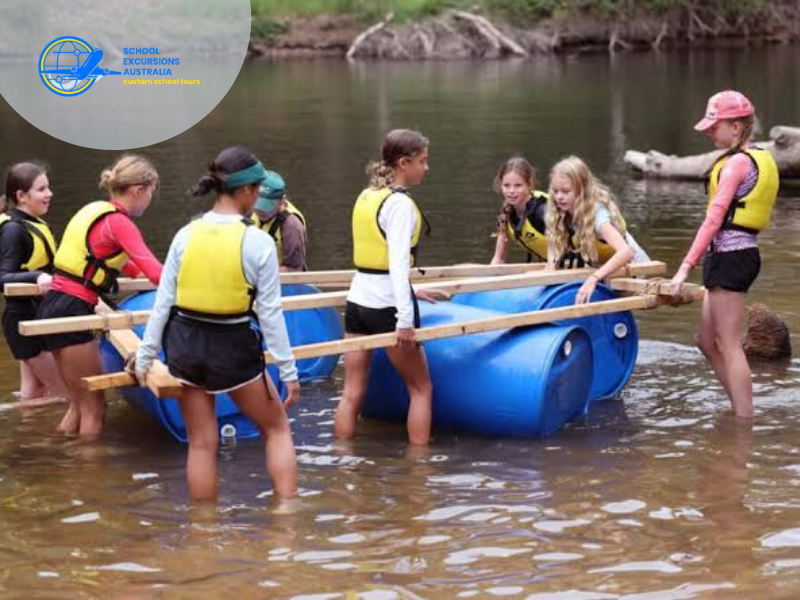
For example, water-based educational tours in Australia may require trained instructors, personal flotation devices, defined activity boundaries, weather monitoring and additional supervision. No single control should be expected to manage every risk.
Plan Supervision Around the Activity
Supervision is more than meeting a minimum ratio. Staff numbers and positioning should reflect student age, ability, behaviour, location and the activities being undertaken.
The plan should identify who supervises each group, who manages medication and who communicates with the school during an emergency. Staff should also know how supervision will continue when one adult is assisting an injured or distressed student.
Extra attention may be required at:
- Road crossings and car parks
- Public toilets and change areas
- Entry and exit points
- Meal and free-time periods
- Water, heights or uneven terrain
- Overnight accommodation
Volunteers and venue staff can provide support, but their responsibilities should be clearly defined. The teacher in charge should understand which duties remain with the school.
Include Emergency and Communication Procedures
A risk assessment should explain what happens when prevention measures are not enough. Emergency arrangements must suit the location rather than relying only on the school’s standard procedures.
The plan should record emergency contacts, the nearest appropriate medical assistance and methods of communication. Areas with poor mobile reception may require an alternative communication method.
Staff should know:
- Who takes control during an incident
- How emergency services will be contacted
- How the rest of the group will remain supervised
- Who informs the school and families
- Where students will assemble
- How transport or evacuation will be arranged
A copy of the itinerary and student information should remain with the designated school contact.
Account for Inclusion and Accessibility
Participation requirements might impact risk as well as the appropriateness of controls. What is feasible for the majority of students might become a barrier for someone with reduced mobility, a health problem, or sensory issues.
Discuss the necessary changes with parents and the venue before the activity. It could include an accessible path, a quiet area, additional processing time, adaptive equipment, or increased supervision.
Planning should keep the participant’s dignity intact. Confidential details should be provided only to those staff who require this information to ensure safe participation.
For interstate transport of a student in Australia, one should take into account how the use of medications, personal care, accommodation arrangements, and absence from home would be organized during the trip.
Review the Assessment Before Departure
A risk assessment should not remain unchanged simply because approval has been received. Review it when the itinerary, student group, weather, transport or activity changes.
A final check shortly before departure should confirm that:
- Consent and medical information are current
- Staff roles are understood
- Venue and transport bookings are confirmed
- Emergency contacts are available
- Weather and official warnings have been checked
- Equipment and medication are ready
- Any required adjustments are in place
Staff should receive a briefing rather than being handed a document on the day. Students also need age-appropriate information about expectations, boundaries and emergency procedures.
Update the Plan After the Excursion
A brief post-trip review may help in planning in the future. It is wise to write down any occurrence, near-accident, unforeseen danger or failed measure.
The teachers can make notes on whether there was enough supervision during the schedule and if the communications with the site were successful. This will form the basis for the following assessment rather than copying the old form.
A ready-made template may save time, but each new excursion still needs a review because the level of risk may change due to changing circumstances.
Protecting Learning Through Better Planning
A true risk assessment is more than just meeting the approval criterion because it makes the teacher understand the entire process and helps them make decisions that allow children to focus on learning.
In future when schools plan an excursion, they should first check and assess the trip, identify the risks involved, and study the policies that exist in the region. In the next stage, the possible learning activities at schools in Australia should be assessed according to the curriculum and safety criteria.
Frequently Asked Questions
Venue documents provide useful information about site-specific hazards, but they do not replace the school’s own assessment. The school must consider its students, transport, supervision, and complete itinerary.
Review it whenever the itinerary, participants, staffing, weather or activity changes. A final review should also be completed shortly before departure.
The organising teacher should consult relevant school leaders, venue staff, instructors, families and support staff where their knowledge affects planning.
Yes. Local visits can involve traffic, public interaction, weather, separation and medical risks, even when the destination is nearby.
A hazard is something that could cause harm. Risk considers how likely that harm is to occur and how serious its consequences could be.
