One of the most attractive places to have an experience learning in Western Australia, especially, the striking combination of natural elements and systematic learning, is Margaret River. Margaret River school excursions provide an option of making sure that schools can provide meaningful outdoor learning so that students can learn to bridge the gap between classroom theory and practice.
The region is marked by its rich biodiversity, ancient limestone caves, and lively shoreline that will make it a worthy object of such research as environmental science, geography, and sustainability studies. With well thought out programs, students acquire hands-on experience with ecosystems, geological features, and the oceanic world in a manner that cannot be achieved solely through textbooks.
Margaret River school excursions are made efficient and effective with expert planning assistance of School Excursions Australia. These programs are designed in a manner that addresses curriculum purposes and also in a way that is safe, interactive and contains measurable learning.
It can be a single-day trip or a multi-day immersion, but Margaret River school excursions present students with the opportunity to explore, ask questions and learn more about the world around them. This region is an excellent educational travel destination especially in schools seeking to improve student engagement and learning.
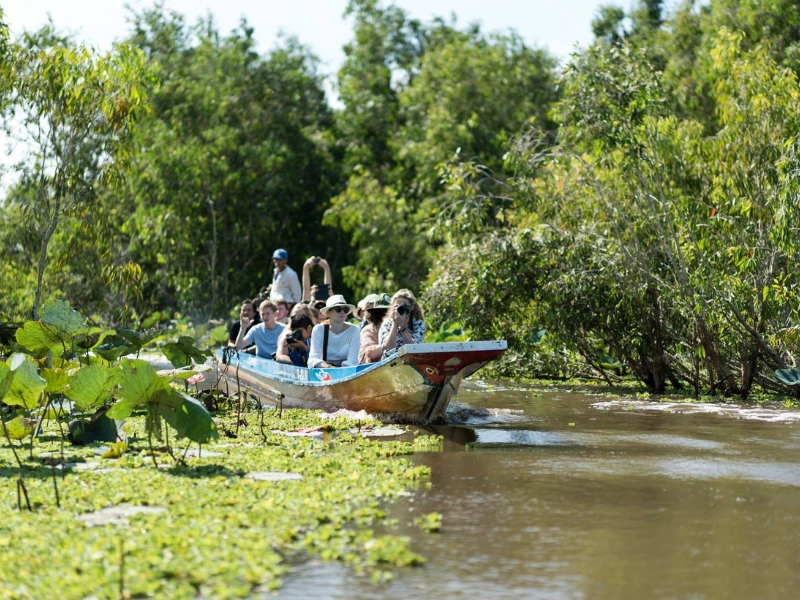
Table of Contents
Why Margaret River School Excursions Are Best for Learning
The Margaret River has a unique mix of eco-systems that are located within a short distance, which enables students to study different scientific principles during one visit. This renders the Margaret River school excursions very effective and educational.
- Availability of forests, rivers, caves, and coastal areas
- Interdisciplinary learning opportunities
- Real-life observation of environmental processes
- Suitable for a wide range of year levels
Curriculum Integration and Learning Outcomes
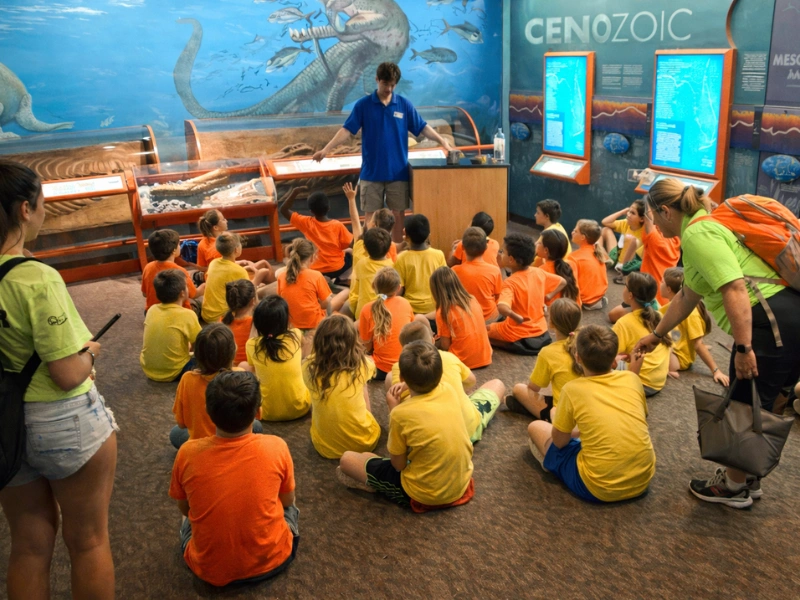
Margaret River educational tours are developed into programs that are in tandem with the Australian curriculum standards. The students get involved in the process of observation, analysis, and practice, which enhances grasping and memory. These activities also facilitate inquiry-based learning, which assists the students in building critical thinking skills.
Margaret River School Excursions Ecology and Environmental Learning
Among the most significant factors of the Margaret River school excursions, there is an opportunity to research ecosystems in the natural environment. Students can see the evidence of biodiversity, learn about ecological relationships, and learn about the conservation practices.
- Native plant and animal species identification
- Knowledge of food chains and ecosystem balance
- Observation of forest and river habitats
- Introduction to sustainability practices
Practical Learning Through Field Experiences
When they visit the Margaret River field trips, the students engage in water testing and habitat observations. These Margaret River learning programs motivate students to use scientific approaches and interpret environmental data.
Through participating in student excursions Margaret River, students understand better the processes involved in the functioning of the ecosystems and why conservation is vital.
Cave Science and Geological Exploration
The limestone caves of Margaret River are an interesting place to learn about the process of geological nature. Margaret River school excursions expose the students to natural formations that have taken thousands of years to develop.
- Exploration of stalactites and stalagmites
- Learning about mineral deposits and rock structures
- Understanding about erosion and sedimentation
- Observing underground ecosystems
Guided Cave Tour Learning
Students can understand geological processes and times with the help of Margaret River educational tours. These mentored experiences make sure that complicated concepts are clarified in a straightforward and risk-free way.
School camps Margaret River commonly incorporate cave exploration, which not only provides a level of education, but also provides an exciting learning experience that students will recall well after the expedition.
Coastal Sciences and Marine Ecosystems
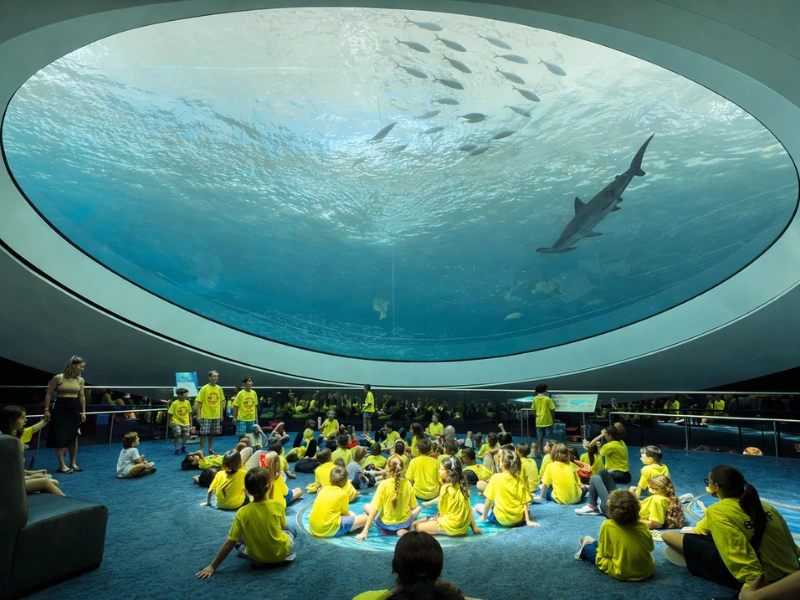
Margaret River offers a good environment to research marine biology and coastal processes through its coastal environment. Margaret River school trips enable the students to see how the natural forces can influence the landscape.
- Wave action and erosion
- Marine biodiversity exploration
- Analysis of shoreline changes
- Knowledge on environmental effects on coastal systems
Developing Environmental Awareness
Through student excursions Margaret River, students develop an understanding of marine ecosystems through their experience of the tidal pools and coastal environments. These Margaret River learning programs emphasise sustainability and conservation.
Students also understand the impact of human activity on coastal environments, and what can be done to preserve the environments through Margaret River field trips.
School Camps Margaret River to Extended Learning
Extended programs provide a deeper level of engagement and understanding. Margaret River school excursions frequently involve multi-day trips which incorporate academic learning and individual growth.
- Multi-day structured programs
- Group collaboration opportunities
- Balance between learning and outdoor activities
- Development of independence and confidence
Holistic Student Development
School camps Margaret River is conducive to academic development as well as social and emotional development. Through common experiences, students develop teamwork skills, enhance communication, and resilience.
The programs are managed by School Excursions Australia and they are designed in such a way that the overall educational and personal results are attained with success.
Arranging the Margaret River School Excursions Through School Excursions Australia
Successful educational travel requires proper planning. Margaret River school field excursions involve organization, safety and conformity with the curriculum, which are handled by seasoned professionals.
- Personalised itineraries according to learning objectives
- Professional supervision and safety measures
- Availability of professional mentors and programs
- Effective logistics and accommodation management
Assuring Quality and Safety
Student excursions Margaret River are planned through School Excursions Australia to offer uniform quality and safety. Their experience makes them make sure that nothing they do is not contributing to the meaningful outcomes of learning.
When selecting Margaret River educational tours, schools can engage in teaching with planning and implementation being handled by professionals with experience.
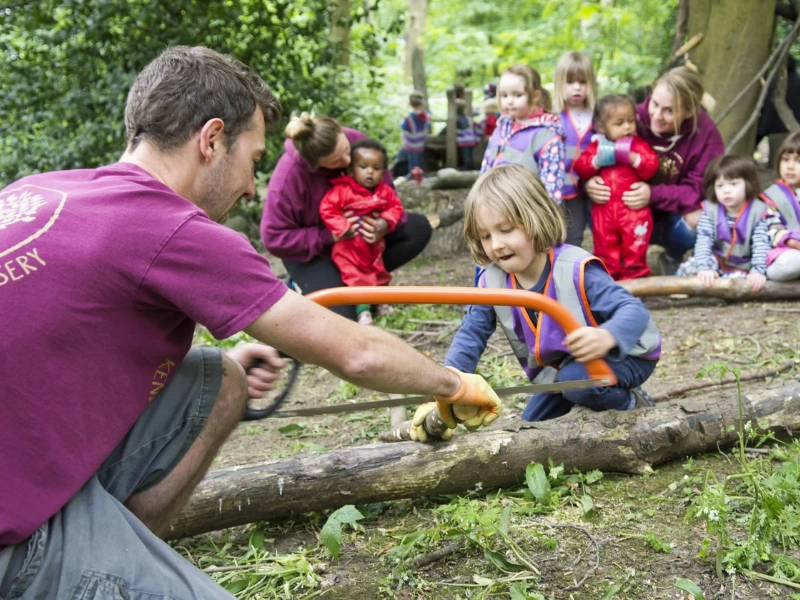
Key Takeaways
Margaret River school excursions are a holistic learning experience that integrates ecology, geology, and coastal science. Students have the advantage of practical exercises that support the concepts taught in the classroom and they enhance student engagement.
These excursions are safe, planned and curriculum-oriented with structured programs of School Excursions Australia. Students learn good things and life skills whether on short visits or school camps Margaret River.
In schools that want to develop meaningful learning experiences, Margaret River school excursions provide a balanced learning, exploration, and personal growth platform.
FAQs
Margaret River school excursions provide direct experience in ecology, caves, and coastal ecology to the students to ensure that they can apply the classroom knowledge in practice. These experiences make the engagements more active, comprehensible, and capable of critical thinking and observation on the part of the students.
Field-based activities and guided activities are used to teach ecology, geology, and marine science to students. Through these tours, students will also be encouraged to observe, scrutinize, and come up with solutions to problems as they understand natural systems, environmental processes, and the importance of sustainability in their daily lives.
Yes, these field trips are meant to accommodate different age groups and levels of learning. The activities will be modified in a way that they are safe, interesting and in line with the curriculum requirements to enable students with different abilities to join in and enjoy the experience.
School camps offer a long learning experience where learning is coupled with personal growth. Through the outdoor activities, students develop teamwork, communication and independence, thus enabling them to mature socially and emotionally in addition to the educational learning they encounter.
These programs normally involve guided tours, practical activities and organized learning sessions on environmental and scientific matters. The students are involved in hands-on experiences that complement the concepts taught in the classroom and at the same time, provide safety, interest, and positive learning experiences during the excursion.
