Excursion planning involves providing chances for the learners to be engaged in activities that cannot necessarily happen in a class setting. From natural scenery to Australia’s cultural diversity, the ideal destination will provide students with an interesting and memorable experience. If you are thinking of places suitable for school excursions for Darwin schools to incorporate in their educational curriculum, you will find the following destination very engaging.
Darwin is a place with history, science, indigenous culture, and a unique natural environment, all of which are easily accessible from the city center. The students will get a chance to engage in activities that are stimulating while learning in class. Below are some of the destinations and activities that Darwin offers.
What Makes Darwin an Outstanding Learning Destination?
Australia does not have many cities that provide similar educational value to Darwin when it comes to culture, history, and the environment. The students would be able to learn about the tropical environment, learn more about the significant places during World War II, and gain insights into Aboriginal culture.
Some of the reasons schools choose Darwin include:
- Diverse curriculum-linked experiences
- Unique tropical landscapes and wildlife
- Rich Aboriginal cultural heritage
- Important historical landmarks
- Opportunities for hands-on environmental learning
This variety makes it easy to plan excursions that suit different year levels and learning objectives.
Discover Australia's Tropical Environment
The tropical climate of Darwin, along with its national parks, makes it the perfect location for students learning about ecosystems, biodiversity, and environmental conservation.
Charles Darwin National Park
Situated on the outskirts of the city, Charles Darwin National Park offers students the opportunity to learn about both the environment and culture, all in one trip.
These include:
- Native ecosystems
- Wetland habitats
- Local plant and animal species
- Conservation and land management
Walking trails and interpretive displays encourage students to observe the environment while connecting classroom science lessons with real landscapes.
Darwin Waterfront and Coastal Environments
The Darwin coast provides great potential for studying coastal habitats and the interrelation between land and sea. The students can learn about tidal movements, mangrove habitat, coastal biodiversity, and the environmental issues of the Australian north coast.
Such experience comes in handy when studying the sciences.
Learn Through Indigenous Culture and Connection to Country
Among the educational advantages that Darwin provides is the chance for learners to experience learning from one of the oldest living cultures in the world. This indigenous experience will provide students with an insight into the close relationship that the Aboriginal people share with their Country.
Cultural Learning Experiences
Most of the Darwin Indigenous school programs allow students to learn about their culture through practical sessions instead of lectures held in class.
Students will learn from:
- Stories told by elders
- Bush tucker lessons
- Art sessions
- Walking tours
- Lessons on caring for the country
All this will assist the students in learning about history, geography, and humanities from different cultures.
Explore Australia's Wartime History
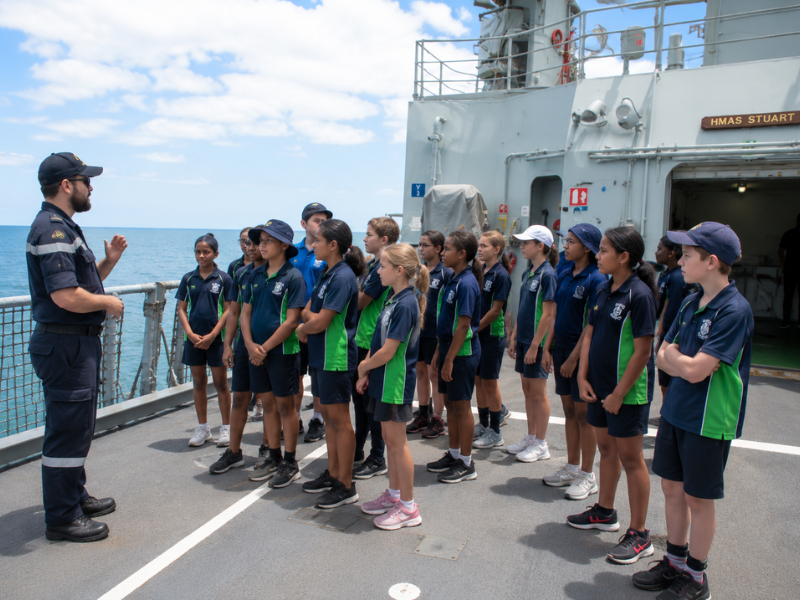
It is an interesting fact that Darwin has been an important place for students who study modern history, as it played an essential role during World War II.
Darwin Military Museum
The Darwin Military Museum enables students to have a better understanding of the bombings at Darwin as well as the wartime experience in Australia by way of exhibitions, pictures, military artifacts, and personal accounts.
Students can learn about:
- Australia’s participation in World War II
- The effects of bombing in Darwin
- Historical facts and artifacts
- War-time life in Australia
In some cases, learning about history at a historical site provides more knowledge than reading from books.
Experience Wildlife in Its Natural Habitat
Wildlife is yet another factor that makes schools plan Darwin for excursions. There are unique wildlife species found in the Northern Territory, which help students understand biodiversity conservation studies firsthand.
Crocodylus Park
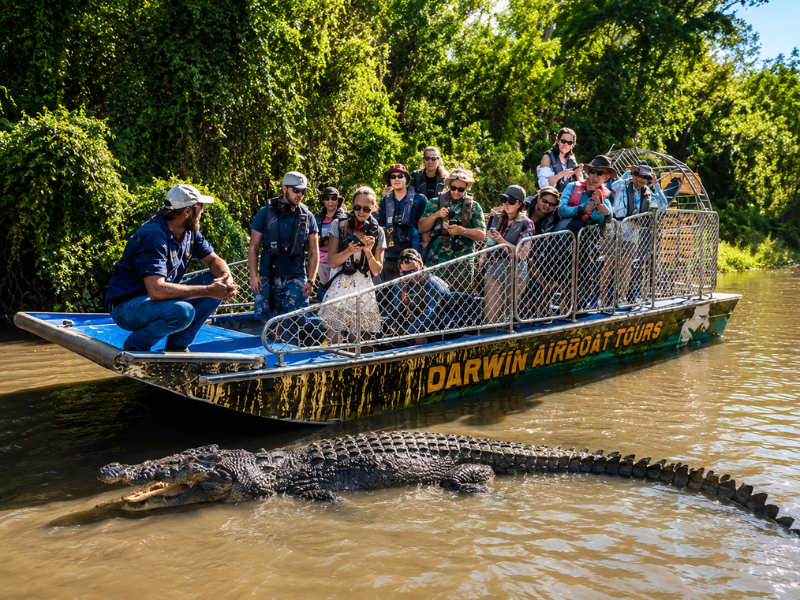
Crocodylus Park provides students with the opportunity to explore the fascinating creatures of Australia, not only the reptiles but also issues relating to their habitats, protection, and conservation.
Topics that may be covered include:
- Saltwater crocodiles
- Reptiles native to Australia
- Wetlands and their ecosystems
- Conservation of wildlife
Explore the Natural Wonders of the Northern Territory
One major benefit of going to Darwin is the proximity to some of the most unique natural sites in all of Australia. Here, learners can learn about geology, ecology, biodiversity, and conservation in a setting that perhaps only appears in their books.
Schools organizing Northern Territory school tours find great value in these destinations.
Kakadu National Park
A trip to the Kakadu National Park will allow students to experience one of the major natural and cultural wonders of Australia. The park is known for its wetlands, rock paintings, and wildlife. Students may research the following issues:
- Ecosystems of wetlands
- Local flora and fauna
- Rock paintings of Aboriginal Australians
- Conservation and biodiversity
- Land management in a sustainable way
The experience of natural and cultural environments will provide students with a deep understanding of the relationship between people and nature throughout thousands of years.
Litchfield National Park
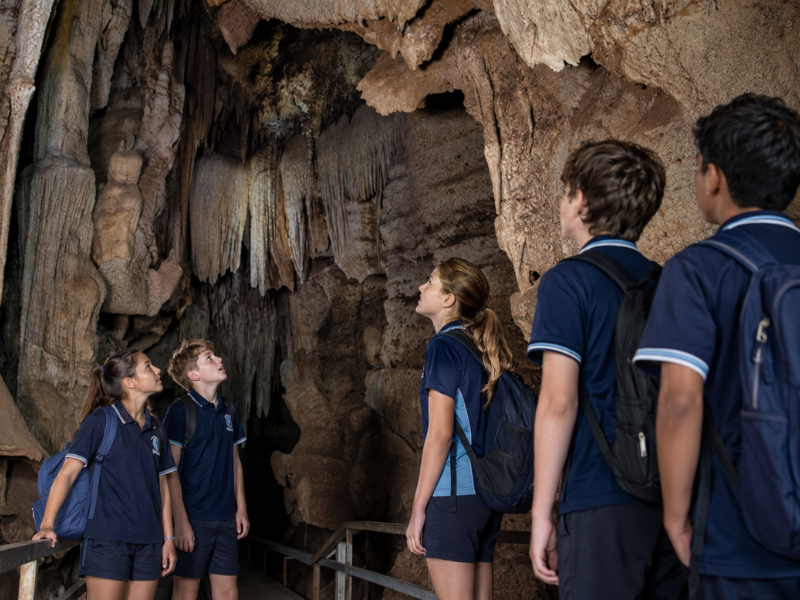
Another worthwhile place that can serve as an outdoor classroom is Litchfield National Park. The waterfalls, forests, and geological features in the park provide opportunities for students to study the natural world and learn about the landscape features in the Northern Territory.
Some of the things students will learn at the park include:
- Tropical habitats
- Rock structures and formations
- The water cycle
- Plants
- Environmental conservation
Science Comes to Life in Darwin
The tropical surroundings of Darwin make it a great place for learning through science. Students will be able to study different ecosystems compared to those that exist in other parts of Australia as they learn about the difficulties of preserving the environment.
Examples of areas of study that could be covered include:
- Ecology and biodiversity
- Weather and climate
- Freshwater and marine environments
- Sustainability of the environment
- Impact of humans on the ecosystem
Field trips usually help students understand science better than classroom lessons.
Choosing the Right Educational Experience
Any excursions must be designed to meet both the learning objectives and engage the students. In choosing between Darwin educational tours, one should give preference to those which are conducive to participation and not just observation.
Before booking any excursion, you can ask yourself:
- Whether it meets your curriculum objectives
- If it involves learning through interactions
- If it is appropriate for your students’ year level
- If it gives enough time for exploration and discussions
Using experiences that have educational results will make sure that the students benefit from them.
Making the Most of Darwin School Trips
Any excursions must be designed to meet both the learning objectives and engage the students. In choosing between Darwin educational tours, one should give preference to those which are conducive to participation and not just observation.
Before booking any excursion, you can ask yourself:
- Whether it meets your curriculum objectives
- If it involves learning through interactions
- If it is appropriate for your students’ year level
- If it gives enough time for exploration and discussions
Using experiences that have educational results will make sure that the students benefit from them.
Conclusion
Darwin provides unique learning experiences that cannot be found elsewhere in Australia. From historically important national landmarks and indigenous cultural programs to tropical environments and well-known national parks, every excursion allows students the chance to apply what they learn in class to their experiences outside the classroom.
Whatever the learning experience you seek, whether history, environment, geography, or cultural education, Darwin provides destinations that stimulate interest and involvement. If you are looking for your next school excursion destination, taking a look at some of the many learning experiences available through Darwin and the Northern Territory will provide you with an ideal learning journey for your students.
Darwin combines history, Indigenous culture, wildlife, and tropical environments, giving students opportunities to explore multiple subjects through real-world learning experiences.
Excursions can complement science, geography, history, environmental studies, and humanities through interactive and curriculum-linked activities.
Yes. Kakadu and Litchfield National Parks offer valuable opportunities to study ecosystems, conservation, Aboriginal heritage, and Australia's unique landscapes.
Choose experiences that align with your learning goals, suit your students' age group, and provide opportunities for active participation and discussion.
Yes. Many attractions and education providers offer programs designed for both primary and secondary students, making it easy to match activities to curriculum outcomes.
