The Sunshine Coast is much more than just its beautiful beaches and fun things to do. As far as schools go, the Sunshine Coast provides the perfect destination for school trips where students will have an opportunity to learn about various ecosystems, encounter some local wildlife, and practice what they have learned in class. Whether in coastal environments, subtropical rainforests, or other conservation-related projects, there is an abundance of activities that can contribute to the educational process.
From organizing Sunshine Coast school excursions for the younger ones to creating a curriculum-oriented trip for older students, the Sunshine Coast is perfect in terms of providing a broad spectrum of educational goals. A well-organized educational trip to the Sunshine Coast may inspire curiosity and collaboration between students.
Where Nature Becomes the Classroom
The best thing about the Sunshine Coast is the number of natural environments for students to study within one excursion. Rather than study the ecosystems from books only, students will be able to learn about them in practice and see how they operate in the wild.
Every natural environment has its own features, which will allow teachers to conduct lessons on various subjects like Science, Geography, Biology, and Environmental Studies.
Students can visit:
- Coastal and marine ecosystems
- Rainforests and native bushlands
- Wildlife reserves
- Geological formations
- Environmental sustainability
It gives teachers an option to make their excursions age-appropriate and entertaining for students at the same time.
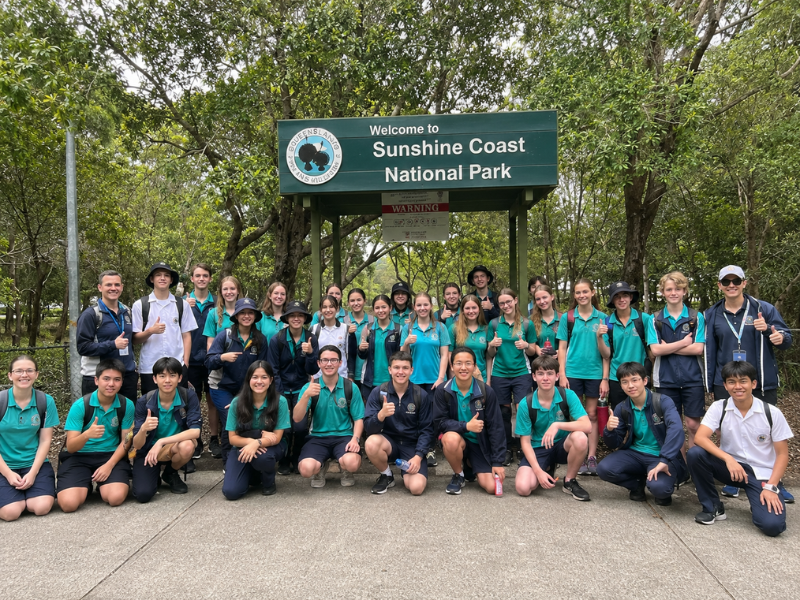
Explore Coastal and Marine Science
The coastline of the Sunshine Coast offers an excellent opportunity to learn about marine environments and coastal processes in the open-air classroom. In addition, students will have the opportunity to study how natural systems operate and gain more insight into the problems of conservation of the Australian coast.
SEA LIFE Sunshine Coast Aquarium
SEA LIFE Sunshine Coast Aquarium is a venue where students can meet various species of marine life and be introduced to many interesting facts about the marine world.
Learning experiences typically involve:
- Marine ecosystems
- Adaptations of animals
- Coral reef environments
- Food chains
- Ocean conservation
Interactive displays encourage students to ask questions and connect scientific concepts with real examples.
Coastal Field Studies
The beaches and estuaries of the Sunshine Coast also create valuable opportunities for field-based learning. Guided activities allow students to investigate coastal environments while developing observation and research skills.
Depending on the location, students may examine:
- Dune formation
- Coastal erosion
- Mangrove ecosystems
- Water quality
- Human impacts on coastal environments
These practical investigations make excellent coastal science school excursions that QLD schools can incorporate into geography and environmental science programs.
Discover Ecology in Natural Settings
The Sunshine Coast provides a variety of options for students to visit and learn about biodiversity and conservation.
Noosa National Park
One of the most popular sites in the area for educational purposes is Noosa National Park. This park features a combination of a beautiful coastline and protected bushland. A walk in this park will allow students to learn about ecological relations as well as conservation.
Students can study:
- Native plants and animals
- Habitat variety
- Biodiversity
- Ecosystem conservation
Mary Cairncross Scenic Reserve
Mary Cairncross Scenic Reserve is located close to the Glass House Mountains and is home to some of the largest remaining patches of subtropical rainforest. Students can gain knowledge about rainforests through their walking tracks and educational programs.
Main learning concepts covered are:
- Biodiversity of rainforests
- Adaptations of plants
- Habitats of native wildlife
- Ecological interactions
- Conservation techniques
It is a great place where students can discover how organisms in an ecosystem are dependent upon each other.
Learn About Wildlife and Conservation
Encounters with wildlife continue to be one of the key attractions of many field trips that offer the combination of animal sightings with important lessons in conservation.
Australia Zoo
Australia Zoo has gained its reputation because of the high emphasis put on environmental and wildlife conservation. Students can learn more about both local and exotic wildlife as well as the significance of conserving endangered wildlife and its natural habitat.
The topics students will be able to discuss during their field trip are:
- Animal behavior
- Habitat conservation
- Endangered species
- Wildlife conservation initiatives
- Environmentally friendly practices
Such an excursion encourages children to consider how people can contribute to wildlife conservation.
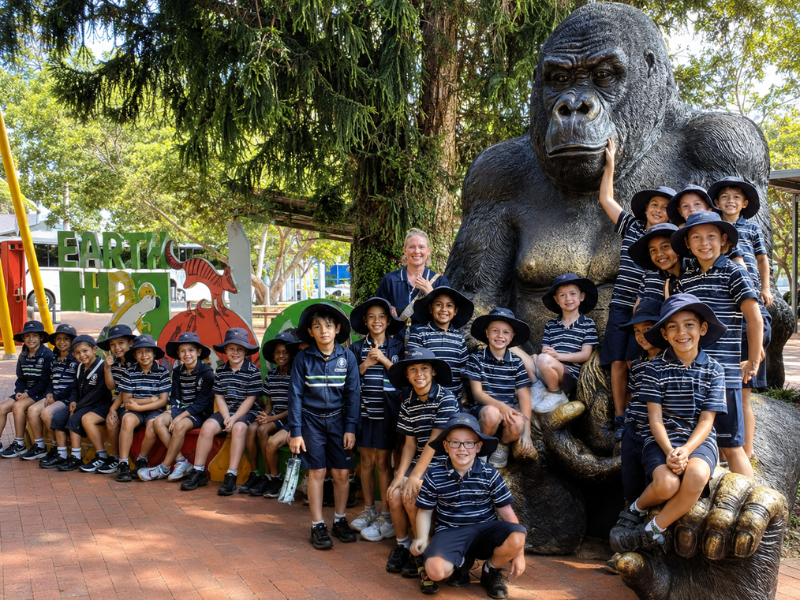
Discover the Glass House Mountains
Glass House Mountains form some of the most distinctive natural features of the Sunshine Coast region and are perfect for studying geology, geography, and Aboriginal culture.
Some of the activities which learners will be able to take part in when they visit include:
- Studying the geological features of the mountains
- Exploring the plants and wildlife of the region
- Learning about the cultural importance of the mountains to the Aborigines
- The conservation of the protected landscape
This makes the region a great place for cross-curricular study.
Experience Environmental Learning Firsthand
One of the most positive aspects of the Sunshine Coast is that there is the chance to explore environmental concepts in a natural environment. Rather than simply discussing topics within the classroom, students can explore the various ecological systems in a more hands-on manner through observation, gathering data, and conducting activities.
Many of the Sunshine Coast Ecology school programs are designed to assist students in understanding how life forms and the environment interact in an environmentally responsible way.
The activities could include:
- Nature walks
- Biodiversity studies
- Investigations into the habitat
- Observing wildlife
- Workshops on sustainability
All of which adds to the theoretical knowledge obtained in the classroom
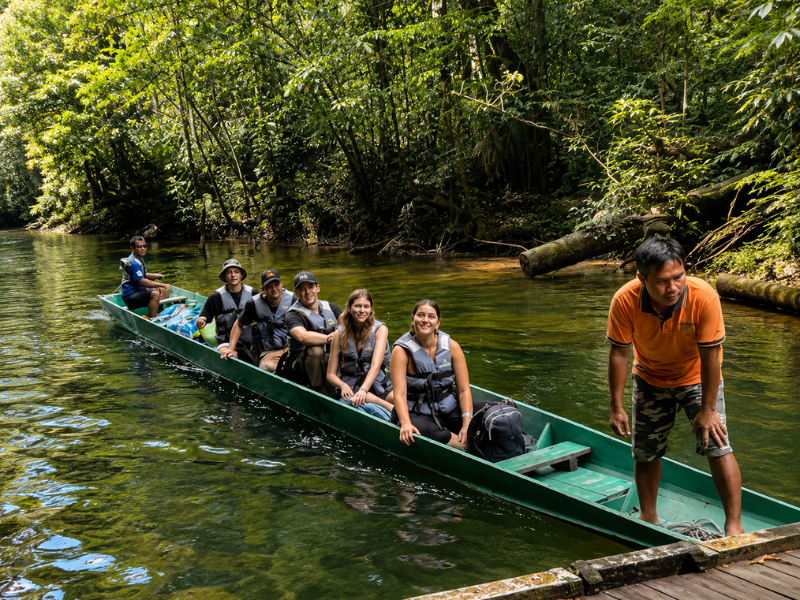
Planning a Successful School Excursion
An exciting trip begins with proper planning. Choosing locations that complement classroom lessons enables the learners to get the most out of their activities while adding structure to the day and ensuring that everyone enjoys themselves.
Some of the factors that should be considered when planning an itinerary include:
- Learning goals you wish your students to attain
- Age group of your learners
- Duration of travel time from one attraction point to another
- Safety considerations
- Weather considerations for outdoor activities
- Consideration of break times, meal times, and reflection
Preparation of your students before the trip can also help make a big difference. This involves the introduction of important concepts in the classroom and discussions on learning goals before the trip.
Choosing Experiences That Match Your Learning Goals
There is no right way for every outing. For instance, while some might choose to conduct environment-focused activities, others might opt to do conservation of wildlife and geography-related programs. By linking places of interest to educational goals, you will have a much clearer purpose.
Examples include:
- Students of science can benefit from marine sciences, ecological programs, and conservation of wildlife.
- Geography students can conduct studies related to coasts, mountains, and landforms.
- Environment studies students can conduct studies on biodiversity, sustainability, and ecosystem management.
- Primary students love hands-on wildlife encounters and nature studies.
- Secondary students can benefit from investigations and inquiry programs.
This is one reason why educational tours on the Sunshine Coast remain such a preferred option among Queensland schools.
Making the Most of School Trips on the Sunshine Coast
The school excursions that Sunshine Coast schools conduct and which leave the deepest impression on students generally have multiple learning opportunities built into them instead of just one. By balancing all of these factors, students will get a chance to explore multiple environments as well.
These may consist of:
- A morning session spent learning about marine life in an aquarium
- An afternoon rainforest hike or ecology study
- A trip to an animal conservation center
- Discussion and activity sessions
This way, students can relate all that they learn and think critically.
Conclusion
Sunshine Coast is home to one of the most amazing collections of environments, wildlife activities, and curriculum-based education in the area. Whether through coastlines, subtropical rainforests, conservation initiatives, or geology, there is always something here to enhance classroom-based learning.
Whatever your subject interest, whether it be science, geography, environmental studies, or ecology, careful planning could result in a highly valuable field trip for you and your class. If you need inspiration for your next field trip idea, look no further than the Sunshine Coast.
Frequently Asked Questions
The Sunshine Coast offers diverse learning environments, including beaches, rainforests, wildlife attractions, and conservation areas that support a variety of curriculum topics.
Excursions can complement science, geography, biology, environmental studies, and sustainability through practical, hands-on learning experiences.
Yes. Many destinations offer guided nature walks, ecology programs, coastal investigations, and wildlife experiences that encourage active participation.
Start by choosing destinations that align with your learning objectives, plan travel and supervision carefully, and introduce key topics before the excursion so students know what to observe and explore.
Yes. The region offers activities for both primary and secondary students, allowing schools to select experiences that match their curriculum goals and students' learning needs.
